Federal Appeals Court Blocks Mail-Order Mifepristone Access, Drugmakers Rush to Supreme Court
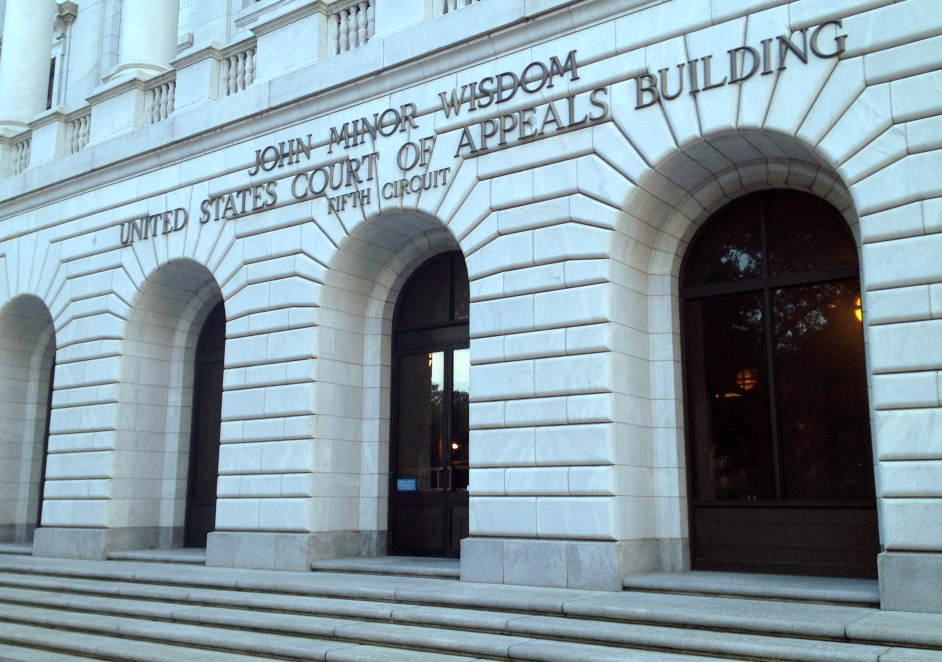
On May 1, 2026, the New Orleans-based 5th US Circuit Court of Appeals unanimously blocked the FDA rule permitting mifepristone to be prescribed via telehealth and mailed to patients, reinstating a prior requirement that the abortion drug be dispensed in person. The ruling — described by reproductive rights advocates as the most sweeping threat to abortion access since the Supreme Court overturned Roe v. Wade in 2022 — sent drugmakers GenBioPro and Danco Laboratories racing to the Supreme Court with an emergency appeal the following morning.
Background
Mifepristone, approved by the FDA in 2000, is used in approximately two-thirds of all abortions performed in the United States. The drug is typically taken in combination with misoprostol in a two-pill regimen that the FDA and major medical associations consider safe and effective, with serious adverse events occurring in fewer than 1% of patients.
During the COVID-19 pandemic, the FDA temporarily lifted in-person dispensing requirements for mifepristone. In January 2023, the Biden administration made those changes permanent, allowing the drug to be prescribed via telehealth and mailed directly to patients. That rule dramatically expanded access, particularly in states with few abortion clinics and in rural communities where travel to a provider is prohibitive.
Louisiana sued the FDA, arguing the 2023 rule ignored risks of serious adverse events including sepsis and hemorrhaging. US District Judge David Joseph initially paused Louisiana's lawsuit in April while the Trump administration conducted its own review of mifepristone's safety — but signaled the state was likely to prevail when the case resumed. The 5th Circuit panel, composed entirely of Republican-appointed judges, agreed.
Key Developments
The three-judge panel ruled that the FDA had failed to justify eliminating the in-person dispensing requirement, writing that the agency's "progressive relaxation of mifepristone's guardrails likely lacked a basis in data and scientific literature." The decision effectively reinstates the pre-2023 FDA policy, requiring patients to obtain the pills directly from a physician rather than through a pharmacy or mail-order service.
GenBioPro and Danco Laboratories filed an emergency appeal with the Supreme Court on Saturday, May 2, arguing the ruling would cause "immediate chaos" and leave patients in limbo. The Supreme Court previously addressed a challenge to the mail-order rule in 2024 but dismissed it on standing grounds. Missouri, Kansas, and Idaho have since taken over that case, which remains pending.
The FDA under the Trump administration has opened its own review of mifepristone, which reproductive rights advocates fear could lead to further restrictions. The other abortion pill, misoprostol, which can be used alone to end pregnancies, may remain available via telemedicine — but the two-drug regimen is generally preferred for its higher efficacy and fewer side effects.
Why Americans Should Care
The ruling's impact falls unevenly across the country. In states where abortion remains legal — including California, New York, Illinois, Colorado, and Michigan — patients who relied on telehealth prescriptions and mail delivery now face the burden of in-person clinic visits. For rural residents in states like Montana, New Mexico, and Oregon, where the nearest abortion provider may be hours away, that burden is substantial. Advocates at the Guttmacher Institute and the ACLU warn the ruling will disproportionately harm low-income individuals, people with disabilities, and survivors of intimate partner violence who cannot easily travel to a clinic. In states like Texas, Alabama, and Mississippi, where abortion is already banned, the ruling has no immediate practical effect — but it signals a legal trajectory that could further restrict access nationwide.
Why It Matters
This ruling represents a significant escalation in the legal campaign against medication abortion, which has become the dominant method of ending pregnancies in the United States precisely because it does not require surgical intervention or clinic access. The 5th Circuit's reasoning — that the FDA failed to adequately justify its own evidence-based regulatory decision — sets a troubling precedent for the agency's authority over drug approvals more broadly.
Industry leaders and legal scholars warn the decision could invite challenges to other medications that interest groups oppose, including hormone therapies, substance abuse treatments, and vaccines. The FDA's ability to make evidence-based regulatory decisions without judicial second-guessing is foundational to the US pharmaceutical system. Internationally, countries including Canada, the United Kingdom, France, and Australia have moved in the opposite direction, expanding telehealth access to medication abortion. The US is now an outlier among peer democracies in restricting mail-order access to a drug with a 25-year safety record. The Supreme Court's response to the emergency appeal will determine whether this restriction takes immediate nationwide effect or is stayed pending further litigation.
What's Next
The Supreme Court must decide whether to grant an emergency stay of the 5th Circuit ruling while the case proceeds. If the Court declines, in-person dispensing requirements take effect immediately nationwide. The full 5th Circuit could also be asked to reconsider the panel's decision. The Trump administration's FDA review of mifepristone is ongoing, and its conclusions could either reinforce or complicate the court's ruling. Congressional Democrats have introduced legislation to codify the FDA's 2023 rule into statute, though the bill faces long odds in the Republican-controlled House.
Sources: US News & World Report; NPR; Politico; ACLU