Family Carers Ireland Report Reveals 624,000 Unpaid Carers Keeping Health System Afloat as 71% Struggle Financially
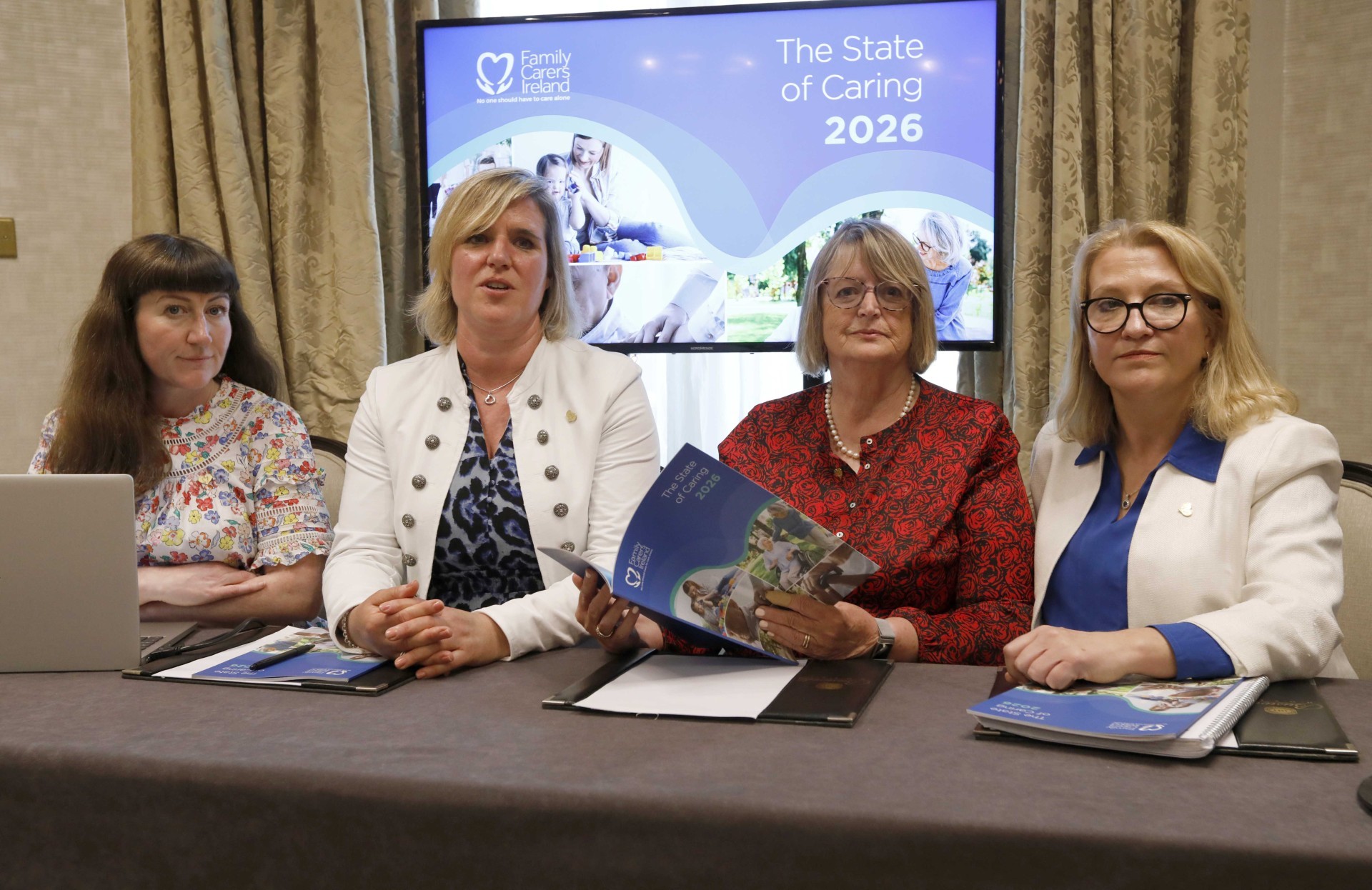
A landmark 'State of Caring 2026' report published by Family Carers Ireland has laid bare the extraordinary contribution of approximately 624,000 unpaid family carers across the Republic, who collectively provide care that would cost the state tens of billions of euros annually — yet 71% of those carers are struggling to make ends meet, with many cutting back on food and heating to keep going.
Background
Family carers — people who provide unpaid care to a family member, friend, or neighbour with a disability, illness, or age-related condition — are the invisible backbone of Ireland's health and social care system. Without their contribution, the HSE and the broader public health infrastructure would face an immediate and catastrophic funding crisis. Yet the policy framework surrounding family carers has historically been characterised by inadequate financial support, poor access to respite services, and a means-testing regime for the Carer's Allowance that many experts describe as punitive.
Family Carers Ireland, the national charity representing this cohort, has been publishing its 'State of Caring' report for several years, tracking the lived experience of carers across the country. The 2026 edition is the most comprehensive yet, drawing on survey data from thousands of carers and providing a detailed picture of the financial, physical, and emotional pressures they face.
The backdrop to this year's report is a health system under significant strain. The HSE's 2026 National Service Plan is operating against a backdrop of rising demand, an ageing population, and persistent workforce shortages. In this context, the contribution of family carers — who provide everything from personal care and medication management to emotional support and transport — is more valuable than ever.
Key Developments
The headline finding of the 2026 report is stark: 71% of the approximately 624,000 family carers in Ireland are struggling to make ends meet. Many are cutting back on food and heating — basic necessities — in order to continue providing care. The report documents widespread loneliness among carers, inadequate access to public services including respite care and GP appointments, and a persistent sense that their contribution is undervalued by the state.
The financial picture is particularly troubling. The Carer's Allowance, the primary state payment for family carers, is subject to a means test that many carers describe as a significant barrier. The payment is not available to carers who work more than 18.5 hours per week outside the home, a restriction that forces many into a choice between their career and their caring role. Family Carers Ireland is calling for the means test to be reformed and for the hours restriction to be lifted.
The report also highlights the health consequences of caring. A significant proportion of carers report that their own physical and mental health has deteriorated as a result of their caring role, with many unable to access GP services or mental health support. The irony — that people who provide health care to others are themselves unable to access health care — is not lost on the report's authors.
Why It Matters
The economic case for supporting family carers is overwhelming. Research consistently shows that the unpaid care provided by family carers in Ireland is worth in excess of €10 billion annually — a figure that dwarfs the total cost of the Carer's Allowance and all associated supports. Put simply, the state is getting an extraordinary return on a very modest investment, and the people providing that return are paying a significant personal price.
This is the third consecutive year in which Family Carers Ireland has reported that a majority of carers are struggling financially. The consistency of the finding suggests that the problem is structural rather than cyclical — it will not be resolved by economic growth alone, but requires deliberate policy intervention. The organisation is calling for a dedicated National Carers' Strategy, a commitment that successive governments have made and failed to deliver.
The timing of the report is significant. With the HSE facing an €250 million overspend by the end of March 2026 and waiting lists continuing to rise, the pressure on family carers is only likely to increase. Every patient who cannot access a hospital bed or a home care package is, in effect, being cared for by a family member — often without any additional state support.
Local Impact
Across Ireland, the impact of the caring crisis is felt in every county and every community. In rural areas — particularly in the west and north-west, where public transport is limited and health services are concentrated in larger towns — the burden on family carers is particularly acute. A carer in rural Mayo or Donegal may be driving hours each week to attend medical appointments, with no access to respite services and no one to share the load.
In urban areas, the picture is different but no less challenging. In Dublin, Cork, and Galway, the cost of living means that carers who have reduced their working hours to provide care face significant financial pressure. The housing crisis compounds this — carers who need to live close to the person they care for may find themselves unable to afford accommodation in the relevant area.
What's Next
Family Carers Ireland has written to Minister for Health Jennifer Carroll MacNeill requesting an urgent meeting to discuss the report's findings and the organisation's policy recommendations. The Minister's office has confirmed receipt of the letter and indicated that a response will be forthcoming. The organisation is also engaging with the Department of Social Protection on the Carer's Allowance means test, and expects to present evidence to an Oireachtas committee before the summer recess. Budget 2027 will be the next major opportunity for policy change, and Family Carers Ireland has indicated it will mount a significant pre-budget campaign.