FAI Confirms No Tickets for Irish Fans at Either Nations League Fixture Against Israel as Security Concerns Prevail
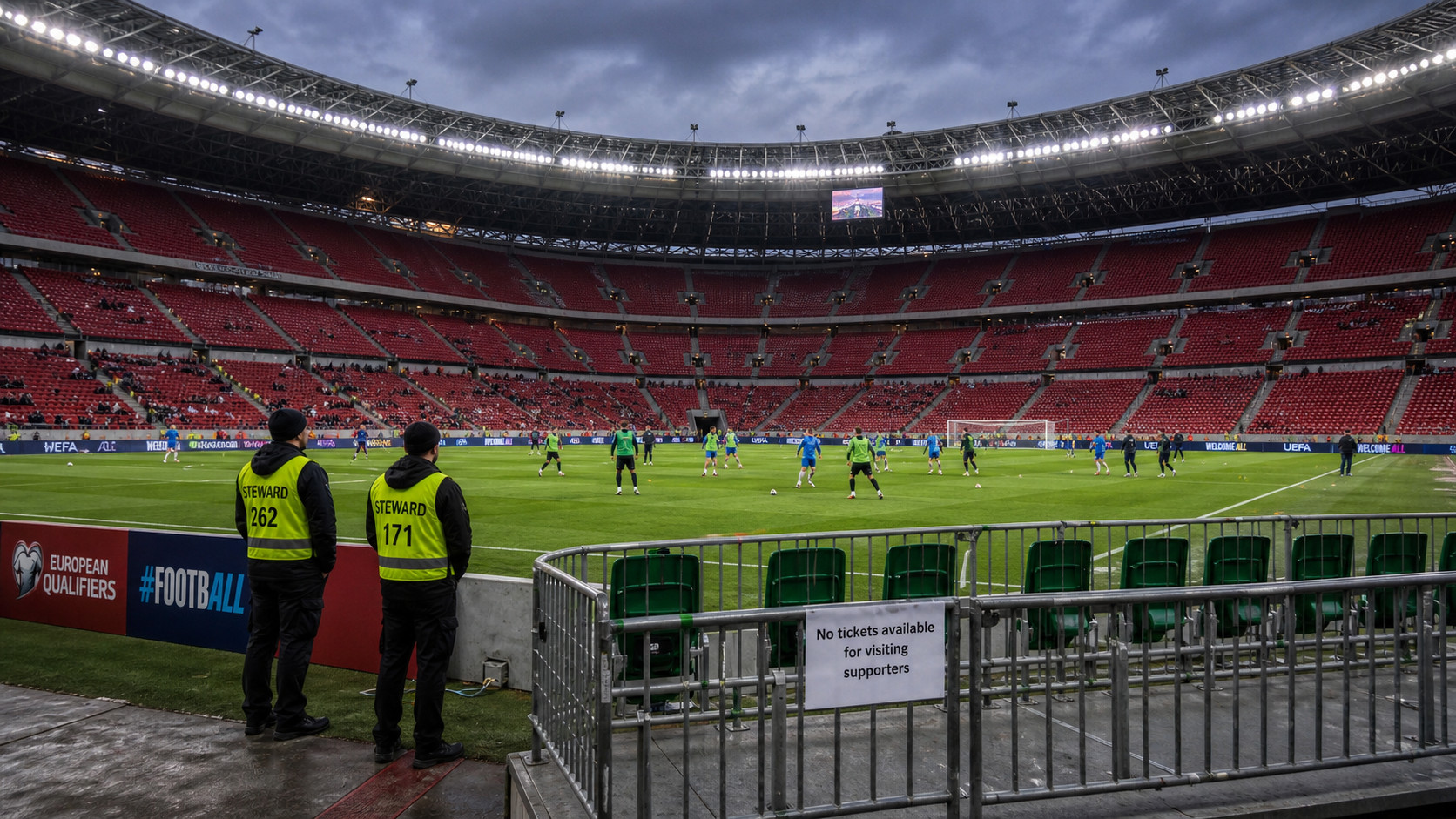
The Football Association of Ireland has confirmed that no tickets will be made available to Irish supporters for either of the Republic of Ireland's UEFA Nations League fixtures against Israel, with both matches to be played at neutral venues — the first in Debrecen, Hungary, on September 27, and the second in Bačka Topola, Serbia, on October 4 — as operational challenges and security concerns make the facilitation of travelling Irish fans impossible.
Background
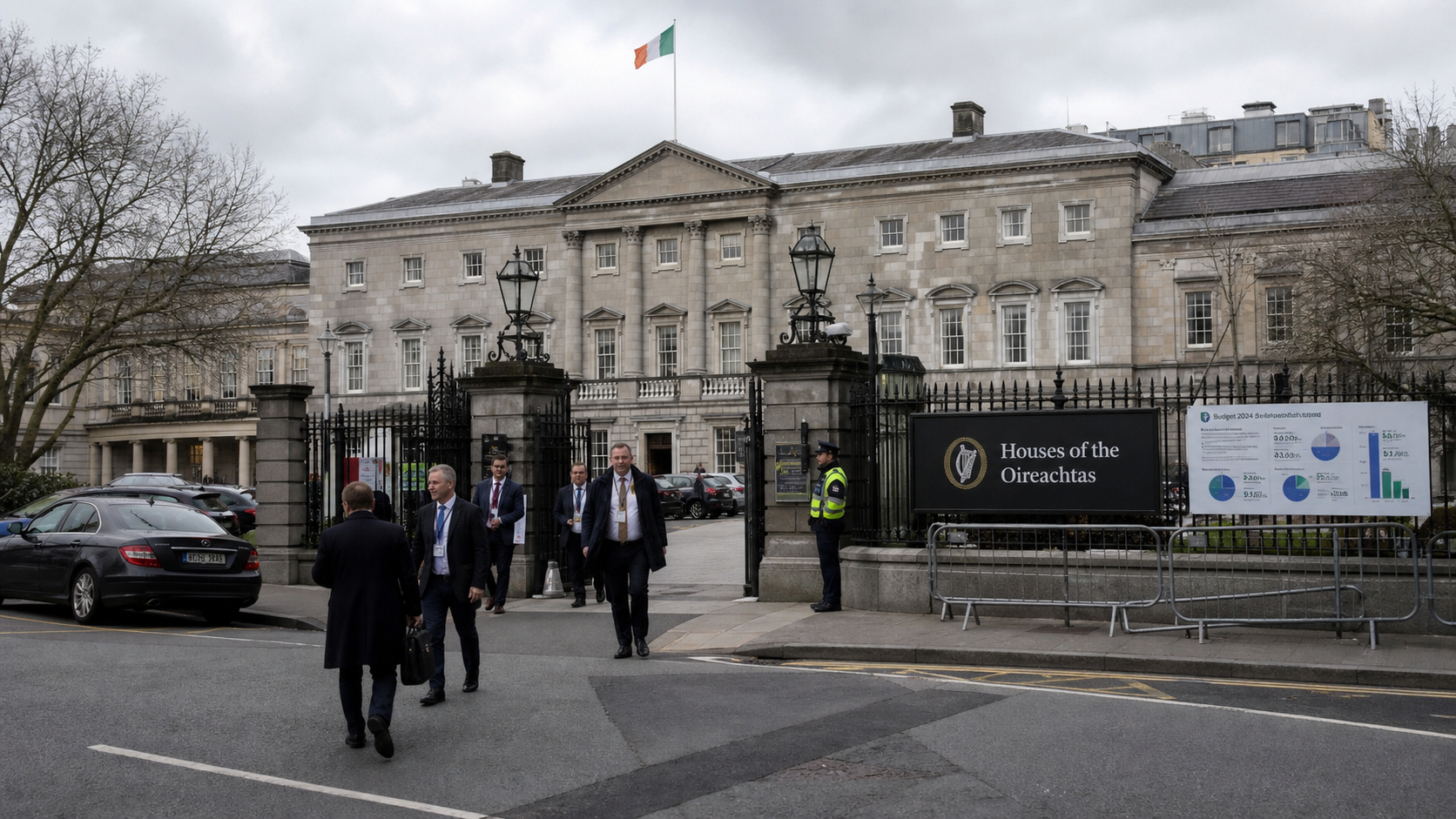
The Republic of Ireland's scheduled Nations League fixtures against Israel have been among the most contentious issues in Irish football for the better part of a year. The ongoing conflict in Gaza has generated intense public debate about whether Ireland should play competitive football against Israel at all, with protests outside the Dáil, disruption of a friendly match against Qatar, and a sustained campaign by civil society organisations calling for a boycott.
The FAI's position throughout has been that withdrawing from the fixtures would have severe consequences for Irish football — including potential disqualification from the Nations League, financial penalties, and damage to Ireland's prospects of qualifying for Euro 2028. The association convened an Extraordinary General Meeting in July 2026 at which a motion to continue playing the matches was passed by 75 votes to 32, a clear majority but one that reflected the depth of feeling on both sides of the debate.
The decision to relocate both fixtures to neutral venues was taken in recognition of the security and logistical challenges involved in hosting or attending matches involving Israel in the current climate. The Israel Football Association has faced similar challenges across European competition, with several countries declining to host Israeli teams or imposing strict conditions on their participation.
Key Developments
The FAI confirmed on Monday, August 4, that no tickets will be sold to Irish supporters for either fixture. The September 27 match in Debrecen, Hungary — nominally Israel's home game — will see a small allocation of tickets made available to Israeli supporters, but none to the Irish travelling support. The October 4 fixture in Bačka Topola, Serbia — nominally Ireland's home game — will be played entirely behind closed doors, with no spectators of any nationality permitted.
The FAI cited "operational challenges and safety and security concerns" as the reasons for the decision to exclude Irish fans. The association has indicated that it explored all possible options for facilitating travelling supporters but concluded that the risks were too significant to manage safely.
The Republic of Ireland squad, managed by Heimir Hallgrímsson, will prepare for the fixtures in the normal way, with a training camp expected to be held in the week before each match. The team's Nations League campaign also includes fixtures against other Group B3 opponents, which will be played in the normal manner with full supporter access.
Why It Matters
The decision to exclude Irish fans from both fixtures is unprecedented in the history of the Republic of Ireland's international football programme. Irish supporters have a proud tradition of travelling to away matches across Europe and beyond, and the FAI's decision — however understandable given the circumstances — represents a significant curtailment of that tradition. For the thousands of Irish football supporters who had hoped to attend the matches, the announcement is a disappointment. But the broader context — an ongoing conflict that has claimed tens of thousands of lives in Gaza — means that the debate about whether Ireland should be playing these fixtures at all is unlikely to be resolved by the logistical arrangements. The FAI will face continued pressure from those who believe that participation in any form is inappropriate, and from those who argue that sport and politics should be kept separate.
Local Impact
For Irish football supporters' clubs across the country — from the Munster Reds in Cork to the supporters' groups in Galway, Limerick, and across the island — the confirmation that no tickets will be available is a blow. Many had been planning travel arrangements in anticipation of attending at least one of the fixtures. The FAI has indicated that it will work to ensure that both matches are broadcast live in Ireland, allowing supporters to follow the team from home. The association has also committed to reviewing its approach to supporter engagement for future fixtures in sensitive political contexts, acknowledging that the current situation has exposed gaps in its communication and planning processes.
What's Next
The Republic of Ireland's Nations League campaign begins in September, with the fixtures against Israel representing two of the most politically charged matches in the team's recent history. Manager Heimir Hallgrímsson has indicated that he will focus on the football and leave the political questions to others, a position that is understandable from a sporting perspective but unlikely to satisfy those who believe the FAI has a broader responsibility. The association's next scheduled board meeting will include a review of the Nations League arrangements, with a particular focus on the security protocols for the Debrecen and Bačka Topola fixtures. A decision on whether to pursue any form of supporter engagement — such as fan zones or viewing events in Ireland — is expected before the end of August.