Extinct for 60 Years, the Large Tortoiseshell Butterfly Is Back — and Breeding in Britain
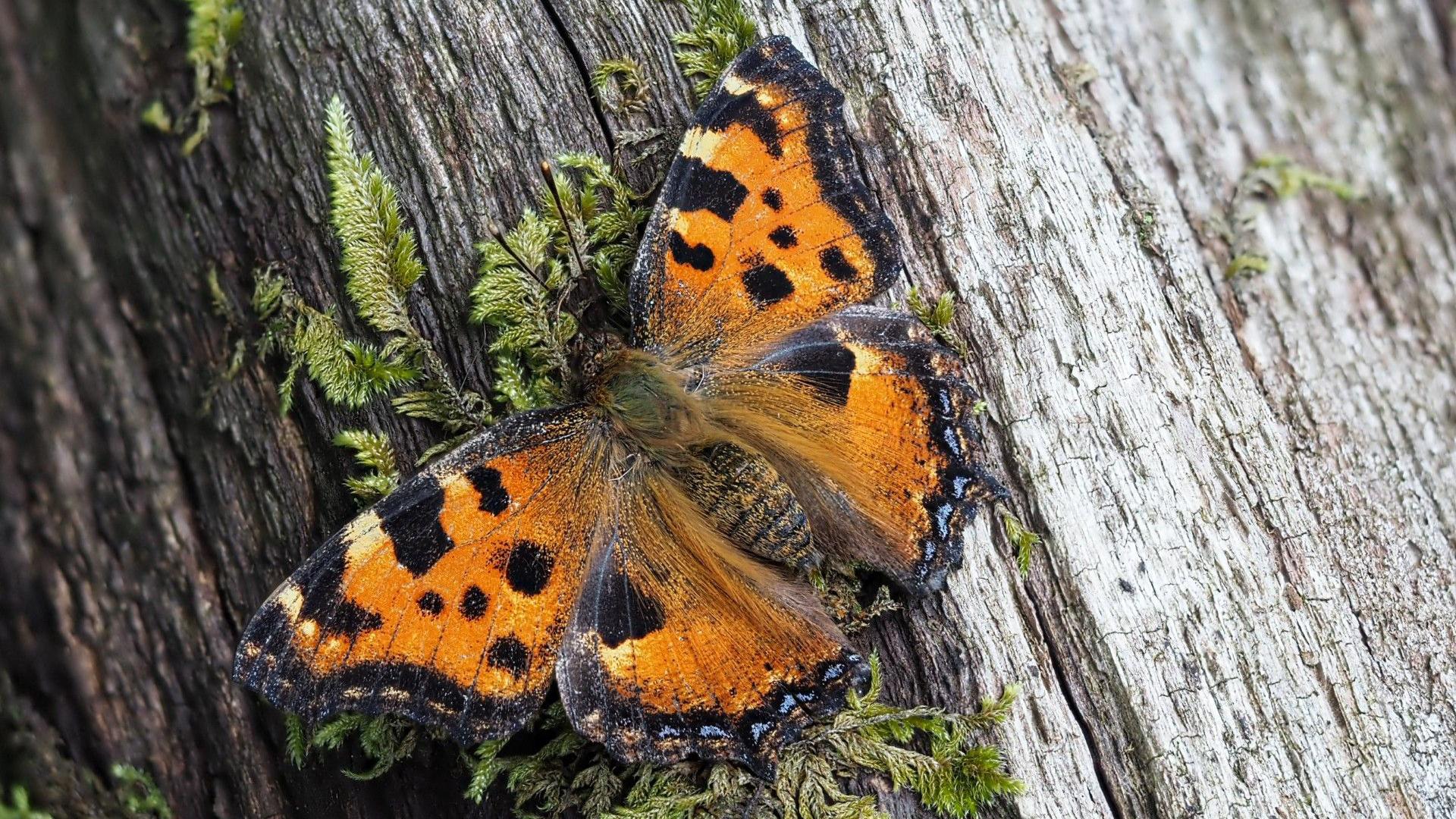
In a remarkable conservation milestone, the large tortoiseshell butterfly — once considered extinct in Britain since the 1960s — has been officially declared a resident species by Butterfly Conservation, marking the first time in the charity's 58-year history that a previously lost species has been reclassified from migratory to resident.
The declaration follows a flurry of early spring sightings in 2026 across woodlands in Kent, Sussex, Hampshire, Dorset, Cornwall, and the Isle of Wight, and crucially, the confirmed discovery of caterpillars feeding on trees in the wild — proof that the butterfly is successfully breeding in Britain once again.
Background
The large tortoiseshell (Nymphalis polychloros) was once widespread across Britain, particularly in the woodlands of central and southern England. Its numbers declined sharply through the mid-twentieth century, and it was formally assessed as regionally extinct in Great Britain by the 1980s. For decades, any sightings were attributed to individual migrants blown across the Channel from mainland Europe, rather than evidence of a breeding population.
Key Developments
The turning point came in 2020, when large tortoiseshell caterpillars were first observed feeding on trees in Dorset — the first confirmed evidence of breeding in Britain in living memory. Since then, sightings have expanded steadily, and the 2026 spring has produced enough confirmed records across multiple counties to prompt Butterfly Conservation to make the historic reclassification.
Scientists believe two factors are driving the return. First, populations of the large tortoiseshell in the Netherlands and France have grown significantly, leading to more individuals migrating across the North Sea and English Channel. Second, rising temperatures linked to climate change have made British conditions more hospitable for a species that last flourished here during the warm summers of the 1940s.
Richard Fox, head of science for Butterfly Conservation, noted that while the signs are positive, the species is not yet well-established enough to be considered widespread, and some uncertainty remains about its long-term presence. The charity is encouraging the public to log any sightings on iRecord, a free citizen science app, to help build a comprehensive picture of the butterfly's distribution.
The return of the large tortoiseshell increases Britain's native butterfly count to 60 species. Unlike the familiar small tortoiseshell found in gardens, the large tortoiseshell is a tree-dwelling butterfly whose caterpillars feed primarily on elm, willow, aspen, and poplar.
Why It Matters
The large tortoiseshell's return is a rare piece of genuinely good news for British wildlife at a time when many species continue to decline. It demonstrates that, given the right conditions, nature can recover — and that citizen science, conservation effort, and even the complex dynamics of climate change can sometimes produce unexpected positive outcomes. The reclassification will be celebrated by naturalists and wildlife enthusiasts across the country.
What's Next
Butterfly Conservation will continue to monitor the species closely throughout the 2026 season. Members of the public who spot a large tortoiseshell are encouraged to record their sighting on iRecord. More information is available from Butterfly Conservation and The Guardian.