Expert Warns Ireland Could Face 'Total Blackout' After Coordinated Attack on Power Grid as Security Vulnerabilities Exposed
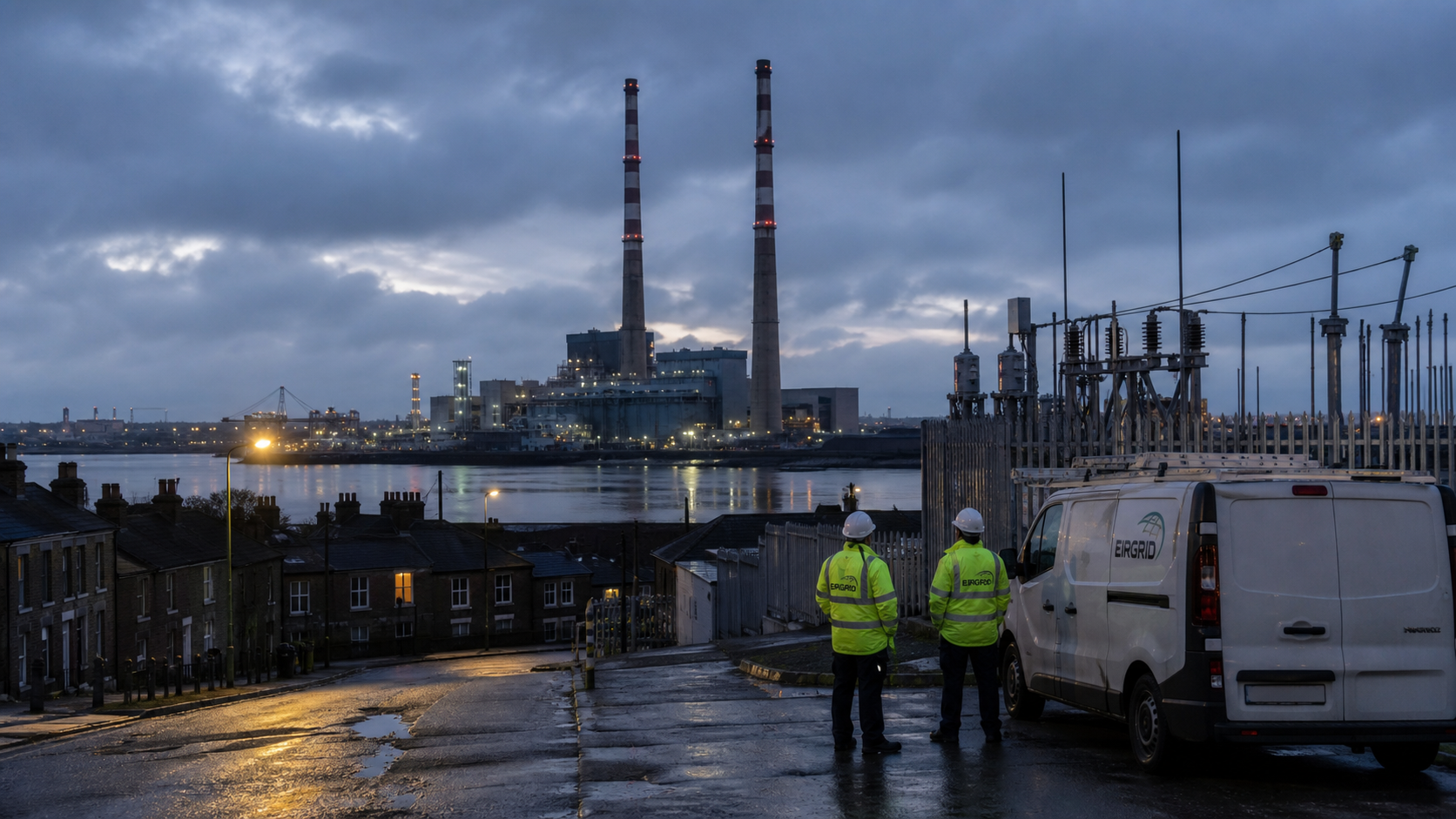
An engineering expert has warned that a coordinated attack on Ireland's electricity grid infrastructure could cause a total national blackout, with simultaneous strikes on major grid assets capable of overwhelming the system's built-in safety margins — a warning that comes as EirGrid has already been forced to activate emergency power plants twice this summer and as the grid faces mounting pressure from data centre demand and aging infrastructure.
Background
Ireland's electricity grid is operated by EirGrid, the state-owned transmission system operator, which manages the high-voltage network that carries power from generators to the distribution networks serving homes and businesses across the country. The grid is interconnected with Northern Ireland through the all-island Single Electricity Market, and with Great Britain through the East-West Interconnector, which provides a degree of resilience against domestic supply shortfalls.
The grid has been under increasing pressure in recent years from a combination of factors. The rapid growth of data centres — which now account for 22% of Ireland's total electricity consumption, a figure projected to rise to 30% within five years — has added significant and concentrated demand to the system. At the same time, the transition to renewable energy, while essential for Ireland's climate targets, has introduced new challenges around grid stability, as wind and solar generation is variable and cannot be dispatched on demand in the way that conventional gas-fired power stations can.
EirGrid has been managing these pressures through a combination of demand management, emergency generation capacity, and new grid protocols. However, the summer of 2026 has exposed the limits of the current system: the grid operator was forced to activate emergency power plants on two occasions — once during a heatwave in June and again in August when an eclipse caused a momentary drop in solar energy production. These incidents, while managed without disruption to consumers, highlighted the tightening margins within which the grid is operating.
Key Developments
The warning about the vulnerability of Ireland's grid to coordinated attack was issued by an engineering expert in the context of the broader debate about Ireland's critical infrastructure security. The expert noted that while the grid has built-in safety margins and redundancy, a coordinated attack targeting multiple major assets simultaneously — such as key substations, interconnectors, or generation facilities — could overwhelm these protections and cause a cascading failure that would result in a total blackout.
The concern is not merely theoretical. Across Europe, there has been growing awareness of the vulnerability of critical infrastructure to hybrid warfare tactics, including physical sabotage and cyberattacks. The sabotage of the Nord Stream gas pipelines in 2022 demonstrated that major energy infrastructure can be targeted successfully, and intelligence agencies across the EU have warned of increased activity by state and non-state actors targeting energy systems.
EirGrid has introduced new protocols requiring data centres to maintain grid connectivity during minor faults — a practice known as "fault ride through" — after identifying that the simultaneous automatic disconnection of these facilities during millisecond-long grid faults poses a significant risk of destabilising the entire system. Most large energy users currently lack the capability to comply with the new code, and a two-year derogation period has been established to allow for necessary upgrades.
Why It Matters
The vulnerability of Ireland's electricity grid matters for reasons that go well beyond the inconvenience of a power cut. A prolonged national blackout would have severe consequences for public health — hospitals, care homes, and water treatment facilities all depend on electricity — as well as for the economy, which is heavily dependent on data-intensive industries that cannot function without reliable power. The financial services sector, the pharmaceutical industry, and the technology sector — all of which are major employers in Ireland — would be severely disrupted by an extended outage.
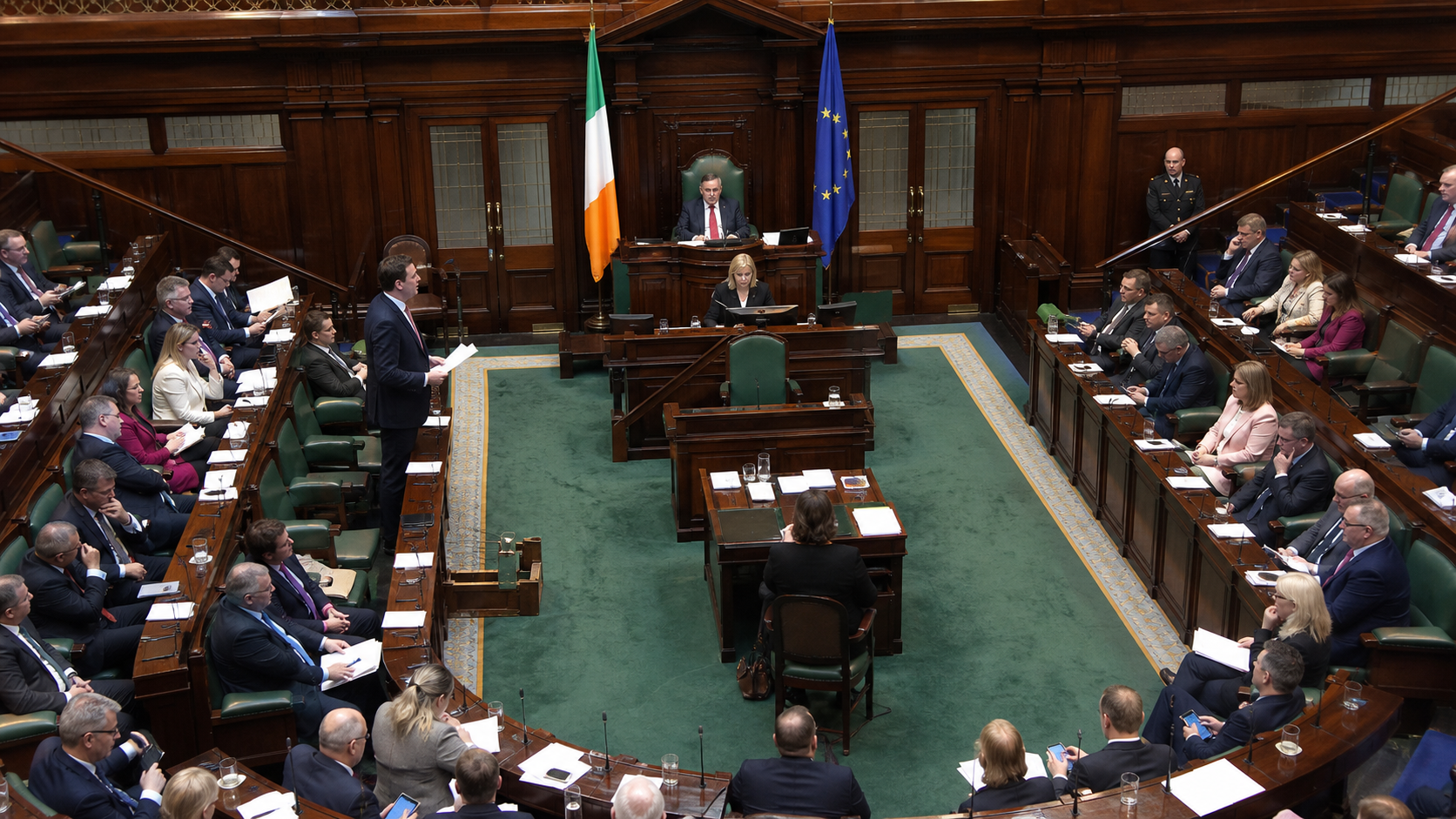
The warning also has implications for Ireland's security policy debate. The government has been engaged in a broader conversation about Ireland's defence and security posture, including the reform of the "triple lock" mechanism for overseas troop deployments and the question of whether Ireland's traditional military neutrality is compatible with the security challenges of the current era. The vulnerability of critical infrastructure is a central element of this debate, and the grid security warning adds urgency to calls for increased investment in protective measures.
For context, the government has committed €3.5 billion for energy infrastructure upgrades between 2026 and 2030, with €2 billion specifically allocated to EirGrid. However, critics have argued that this investment, while significant, is insufficient to address the full range of vulnerabilities that the grid faces, and that the pace of investment needs to accelerate if Ireland is to meet its renewable energy targets while maintaining grid security.
Local Impact
The practical implications of a grid failure would be felt differently across different parts of Ireland. Urban areas — Dublin, Cork, Galway, Limerick, Waterford — have the highest concentration of critical infrastructure and would face the most severe immediate consequences of a blackout. However, rural areas, which are often served by longer and more exposed distribution lines, can be more vulnerable to extended outages following severe weather events, and the same vulnerabilities apply in the context of deliberate attacks.
Irish Rail, Bus Éireann, and Dublin Bus all depend on electricity for significant portions of their operations, and a major grid failure would effectively shut down public transport across the country. The HSE has emergency protocols for hospital power failures, but these are designed for localised outages rather than a national blackout, and their adequacy in the event of a prolonged system-wide failure has been questioned by healthcare professionals.
What's Next
EirGrid is expected to publish its winter outlook for 2026–27 in the coming weeks, which will provide an assessment of supply margins and the risk of system alerts during the heating season. The government is expected to address energy security in the context of Budget 2027 and the ongoing review of Ireland's defence and security policy. The Oireachtas Committee on Climate Action is likely to seek evidence from EirGrid and the Commission for Regulation of Utilities on the grid security concerns raised by the expert warning.