Eddie Jones Claims Irish 'Power' in World Rugby Forced Japan's Home Match to Be Played in Australia
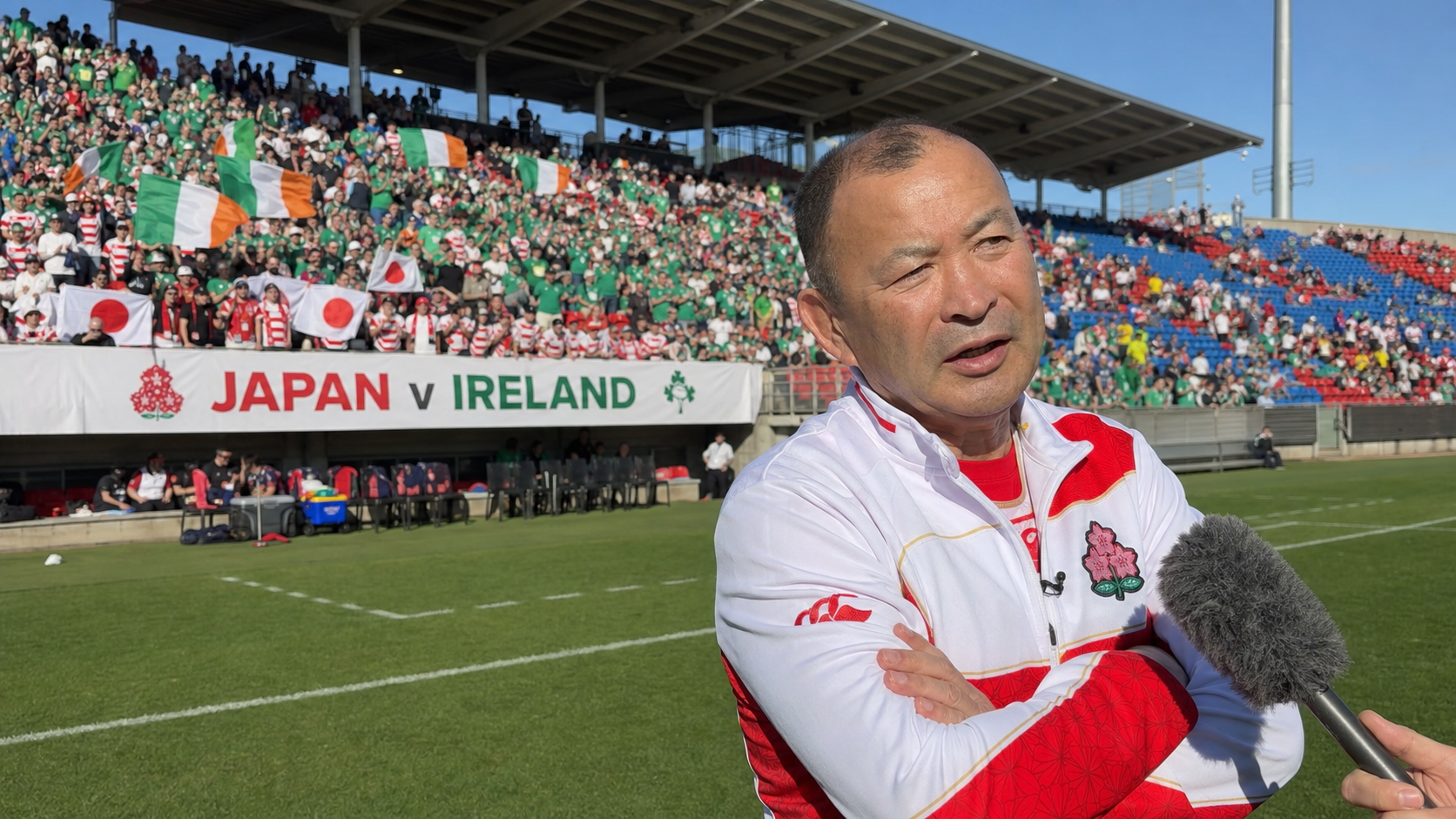
Japan head coach Eddie Jones has ignited a controversy in international rugby by publicly claiming that Ireland's political influence within World Rugby led to the relocation of Japan's 'home' Nations Championship match against Ireland from Japan to Newcastle, Australia — a decision he says his team had to 'suck it up' and accept, despite the significant competitive disadvantage of losing a home fixture.
Background
The Nations Championship, the new international rugby competition that has replaced the traditional summer tour format, was designed to create a more structured and commercially attractive international calendar. The competition groups the world's leading nations into a league format, with matches played across both hemispheres during the summer window. The format was intended to provide more meaningful competitive fixtures and to reduce the number of one-sided tour matches that had become a feature of the traditional summer schedule.
Ireland's participation in the Nations Championship has been one of the most anticipated aspects of the new competition. Under Andy Farrell, Ireland have risen to the top of the World Rugby rankings and are widely regarded as one of the two or three best teams in the world. Their matches attract significant commercial interest, and the question of where and when they play has become a matter of considerable importance to broadcasters, sponsors, and host unions.
Eddie Jones is one of the most experienced and outspoken coaches in world rugby. The Australian, who has previously coached England, Australia, and Japan, is known for his willingness to engage in psychological warfare with opponents and to use the media as a tactical tool. His comments about Ireland's influence in World Rugby should be understood in this context — as a deliberate attempt to create a narrative that might motivate his players and put pressure on the Irish camp ahead of the 11 July fixture.
Key Developments
Jones's comments, published on 6 July, were direct and unambiguous. He stated: 'We were supposed to have a home game, but we're not because Ireland are such a powerful nation in world rugby, they get what they want. So we had to suck it up and go to Australia.' The Japan coach claimed that the venue was changed to accommodate Ireland and minimise their travel, suggesting that the decision reflected Ireland's political weight within World Rugby's governance structures rather than any sporting or logistical rationale.
The comments have drawn a range of reactions. Irish rugby supporters have largely dismissed them as gamesmanship from a coach known for his media provocations. World Rugby has not responded publicly to Jones's claims. The IRFU has declined to comment on the specific allegations, though sources within Irish rugby have suggested that the venue change was agreed through normal commercial and logistical negotiations rather than through any exercise of political influence.
The match itself, scheduled for 11 July at Newcastle's McDonald Jones Stadium in New South Wales, will be played in front of a predominantly Australian crowd, given the significant Irish diaspora in the region and the proximity to Sydney, where Ireland played their opening Nations Championship fixture against Australia. Japan will be without the home advantage they would have enjoyed in Tokyo or Osaka, but they will be playing in familiar conditions and with the motivation of Jones's public grievance to drive them.
Why It Matters
Jones's comments, whatever their tactical motivation, touch on a genuine issue in international rugby governance: the question of how the sport's power dynamics affect the interests of smaller or less commercially powerful nations. Japan, despite their remarkable performance at the 2019 World Cup and their growing domestic rugby culture, do not have the same commercial leverage as Ireland, England, or the southern hemisphere giants. The Nations Championship was supposed to create a more equitable international calendar, but if Jones's account of the venue change is accurate, it suggests that the old power dynamics have not been entirely displaced. For context, Ireland's commercial value to World Rugby and to the Nations Championship is considerable. The team's global following, particularly in North America and Australia, makes their matches among the most commercially attractive in the competition. This commercial reality inevitably influences decisions about scheduling and venues.
Local Impact
The controversy has generated significant interest among Irish rugby supporters, who are following the Nations Championship tour with great enthusiasm. The IRFU's decision to broadcast all Nations Championship matches live on RTÉ and Virgin Media has ensured that Irish fans can follow the team's progress despite the time difference. In Australia, where there is a large and passionate Irish diaspora community, the Newcastle match against Japan is expected to attract a significant Irish contingent, with supporters travelling from Sydney, Melbourne, and Brisbane to cheer on the team. The Irish community in Newcastle itself, centred around the city's Irish clubs and GAA grounds, has been organising viewing events and travel arrangements for the match. The IRFU has confirmed that a supporters' event will be held in Newcastle on the evening before the match, providing an opportunity for the diaspora community to connect with the team and with each other.
What's Next
Ireland's Nations Championship match against Japan takes place on Saturday, 11 July, at McDonald Jones Stadium in Newcastle, New South Wales. Kick-off is at 7:35pm local time, which translates to 10:35am Irish time — a more sociable hour for Irish viewers than the Sydney fixture. Andy Farrell will name his squad for the Japan match on Monday, 7 July, with some rotation expected following the physical demands of the Australia game. Japan will be looking to use the controversy generated by Jones's comments as motivation, and Ireland will need to be at their best to secure a second Nations Championship victory. The match will be broadcast live on RTÉ Two and Virgin Media Two.