Former Rugby Player Fergus Farrell Plans 4,500km Walk Across America for Spinal Injuries Ireland as Diaspora Fears US Immigration Crackdown
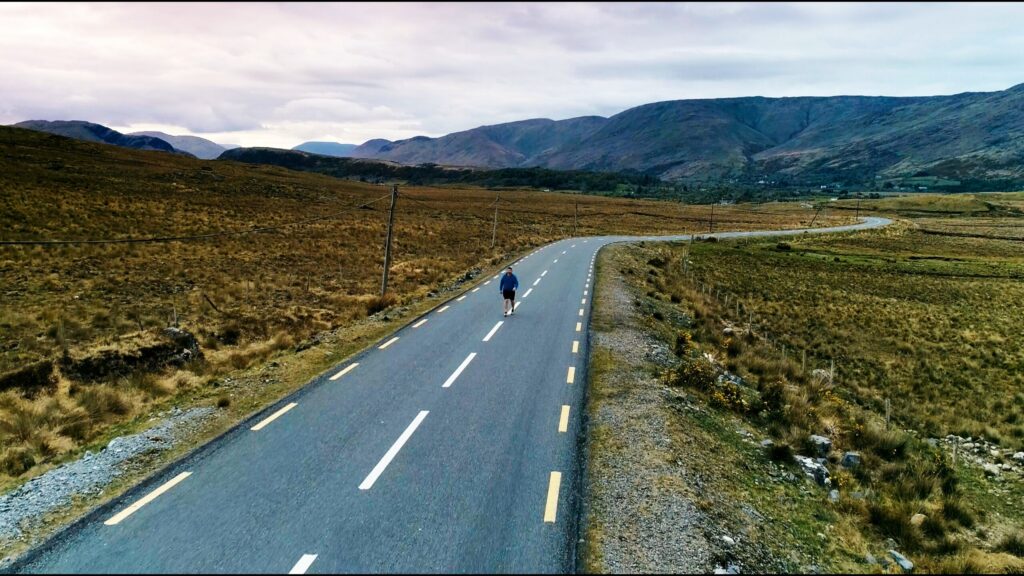
Former rugby player Fergus Farrell is preparing for a 4,500-kilometre walk across the United States beginning August 22, aiming to raise €1 million for Spinal Injuries Ireland and become the first person with a spinal cord injury to complete a coast-to-coast trek — a challenge supported by the Irish Consulate in New York — as Minister for Diaspora Neale Richmond acknowledges a "sense of vulnerability" within the Irish community in the US, with consular requests for assistance regarding deportation having increased by 330% between 2024 and 2025.
Background
Fergus Farrell's story is one of remarkable resilience. A promising rugby player whose career was cut short by a spinal cord injury, Farrell has channelled the determination and competitive drive that defined his playing days into a new kind of challenge — one that is simultaneously a personal test of endurance and a platform for raising awareness and funds for a cause that is deeply personal to him.
Spinal cord injuries are life-altering events that affect thousands of people in Ireland and around the world. The consequences — which can include paralysis, loss of sensation, and a range of secondary health complications — require intensive rehabilitation, ongoing medical support, and significant adaptations to daily life. Spinal Injuries Ireland provides a range of services to people living with spinal cord injuries, including peer support, advocacy, and practical assistance with the challenges of daily living. The organisation is heavily dependent on charitable funding, and Farrell's walk is designed to provide a significant boost to its resources.
The ambition of the walk — 4,500 kilometres across the United States, from coast to coast — is extraordinary by any measure. For a person without a spinal cord injury, such a journey would be a significant physical challenge. For Farrell, who is managing the ongoing consequences of his injury, it represents a challenge of a different order entirely. The walk is being described as a historic first — the first coast-to-coast walk by an Irishman in over a century, and the first such walk by a person with a spinal cord injury.
Key Developments
Farrell's walk will begin on August 22, 2026, with the route taking him from the east coast to the west coast of the United States over a period of several months. The walk has been carefully planned, with a support team, a medical advisor, and a logistics operation that will manage the practical challenges of covering 4,500 kilometres on foot. The Irish Consulate in New York has provided formal support for the project, recognising its significance both as a charitable endeavour and as a demonstration of Irish resilience and determination.
The walk has also partnered with the Christopher and Dana Reeve Foundation in the United States — an organisation that supports people living with spinal cord injuries and funds research into treatments and cures. The partnership reflects the international dimension of the project and the connections between the Irish and American communities that are engaged with spinal cord injury issues.
The fundraising target of €1 million is ambitious but not unrealistic, given the scale of the challenge and the media attention it is expected to generate. Farrell has been building his profile in the months leading up to the walk, giving interviews, appearing at events, and using social media to build a following that will sustain the fundraising effort throughout the journey. The Irish diaspora in the United States — which numbers in the tens of millions — is a natural audience for the project, and the walk's route through several cities with significant Irish-American communities will provide opportunities for community engagement and fundraising events.
The backdrop to Farrell's walk is a period of significant anxiety within the Irish community in the United States. Minister for Diaspora Neale Richmond has acknowledged a "sense of vulnerability" among Irish people in the US, driven by heightened immigration enforcement that has affected both documented and undocumented residents. The statistics are stark: consular requests for assistance regarding deportation from the United States increased by 330% between 2024 and 2025, reflecting the scale of the concern within the community.
Why It Matters
Farrell's walk matters for several reasons. Most obviously, it is a remarkable human achievement — a demonstration of what is possible when determination and purpose are combined with careful planning and community support. For people living with spinal cord injuries in Ireland and around the world, it is a powerful statement about the possibilities that remain open to them, and about the importance of refusing to be defined by disability.
The fundraising dimension is also significant. Spinal Injuries Ireland, like many disability organisations, operates on limited resources and is heavily dependent on charitable income. A successful fundraising campaign of this scale would make a material difference to the organisation's ability to deliver services, and the profile generated by the walk would raise awareness of spinal cord injury issues in ways that go beyond the immediate financial impact.
The context of Irish community anxiety in the United States adds another dimension to the story. Farrell's walk — a celebration of Irish resilience and determination, undertaken in partnership with the Irish Consulate and with the support of the Irish-American community — is a statement of presence and confidence at a moment when many Irish people in the US are feeling vulnerable. It is a reminder that the Irish community in America has a long history of facing adversity and emerging stronger.
Local Impact
In Ireland, Farrell's walk has generated significant interest and support. Spinal Injuries Ireland has been promoting the project through its networks, and the response from the disability community has been enthusiastic. Several Irish businesses and organisations have already pledged support for the fundraising campaign, and the walk is expected to generate substantial media coverage as it progresses.
In the United States, the Irish Consulate in New York has been working to build awareness of the walk among the Irish-American community, and several Irish cultural organisations and GAA clubs along the route have indicated they will organise events to welcome Farrell and to support the fundraising effort. The walk will pass through cities including New York, Chicago, and Los Angeles — all of which have significant Irish-American communities — providing opportunities for community engagement that will sustain the momentum of the project throughout the journey.
For the undocumented Irish community in the United States — estimated at several thousand people — the current period is one of particular anxiety. The 330% increase in consular requests for deportation assistance reflects the scale of the concern, and the Irish government has been working to provide support and information to community members who are affected. Minister Richmond's acknowledgement of the "fear" within the community — affecting both documented and undocumented residents — is a recognition of the human dimension of a policy debate that can sometimes be reduced to statistics.
What's Next
Farrell's walk will begin on August 22, and the progress of the journey will be documented through social media, a dedicated website, and media coverage in both Ireland and the United States. The fundraising campaign will run throughout the walk, with regular updates on the total raised and on the milestones achieved along the route.
Spinal Injuries Ireland has indicated that the funds raised through the walk will be used to expand its peer support programme — which connects people who have recently sustained spinal cord injuries with others who have been living with similar injuries for longer — and to develop new advocacy initiatives aimed at improving the services and supports available to people with spinal cord injuries in Ireland.
The Christopher and Dana Reeve Foundation partnership will also generate opportunities for collaboration on research and advocacy that extend beyond the immediate fundraising campaign. The foundation's work on spinal cord injury research is internationally recognised, and the connection with Spinal Injuries Ireland through Farrell's walk could open doors to collaborative projects that benefit people with spinal cord injuries on both sides of the Atlantic.