E-Scooter Age Ban Stalled by Legal Advice as New Safety Rules Come Into Force
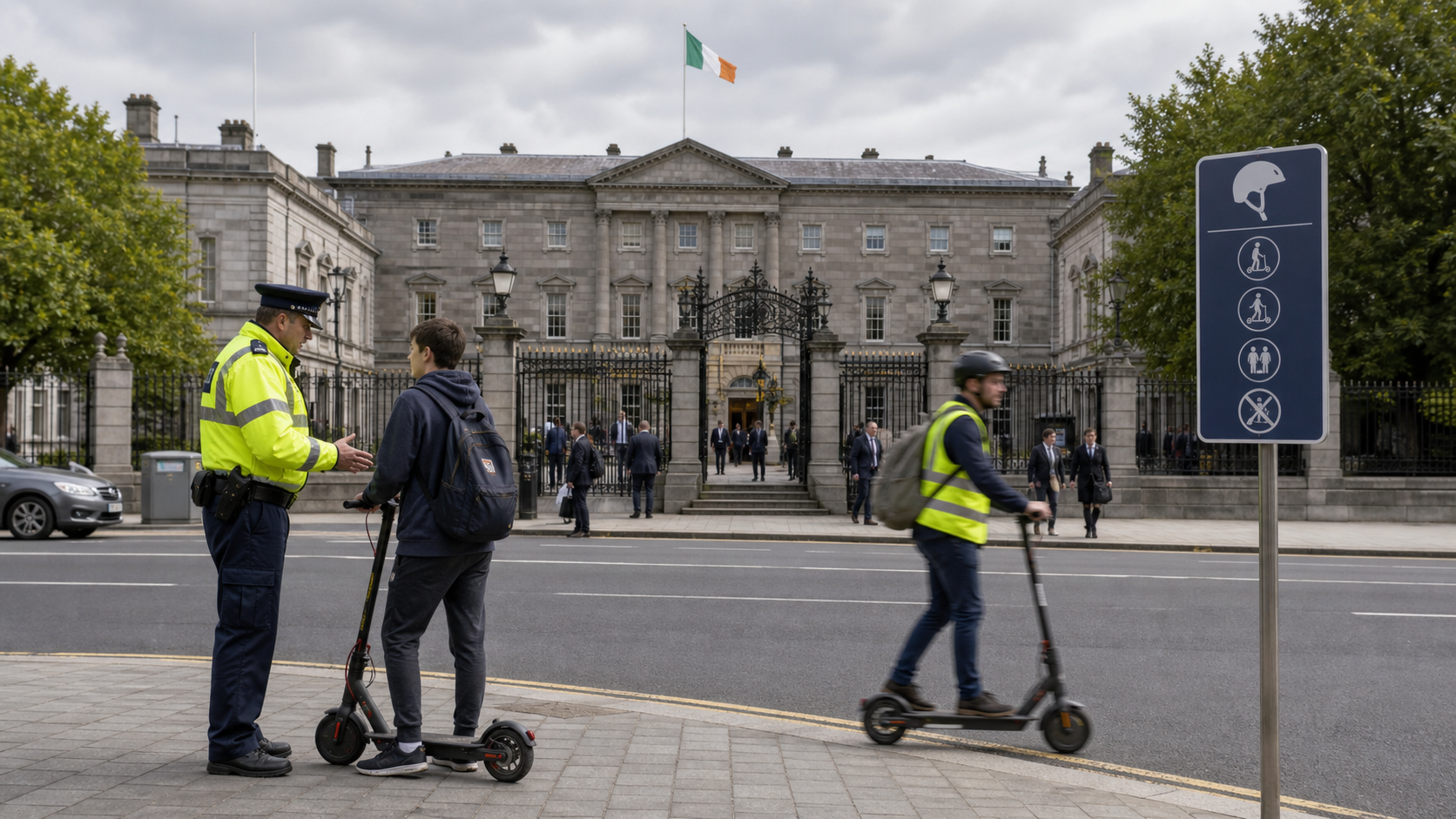
The Irish government's planned ban on e-scooter use for individuals under the age of 18 has been deferred following advice from Attorney General Rossa Fanning that primary legislation is required to implement the restriction. The deferral means that those under 18 remain permitted to use e-scooters for the time being, despite the government's stated intention to introduce the ban in August. Government Chief Whip Mary Butler has indicated that the necessary legislation will be prioritised for publication in the autumn Dáil term, which begins on 16 September. In the interim, a package of other safety measures has taken effect, including mandatory high-visibility jackets and helmets for all users and increased on-the-spot fines of €100 for e-scooter offences.
Background
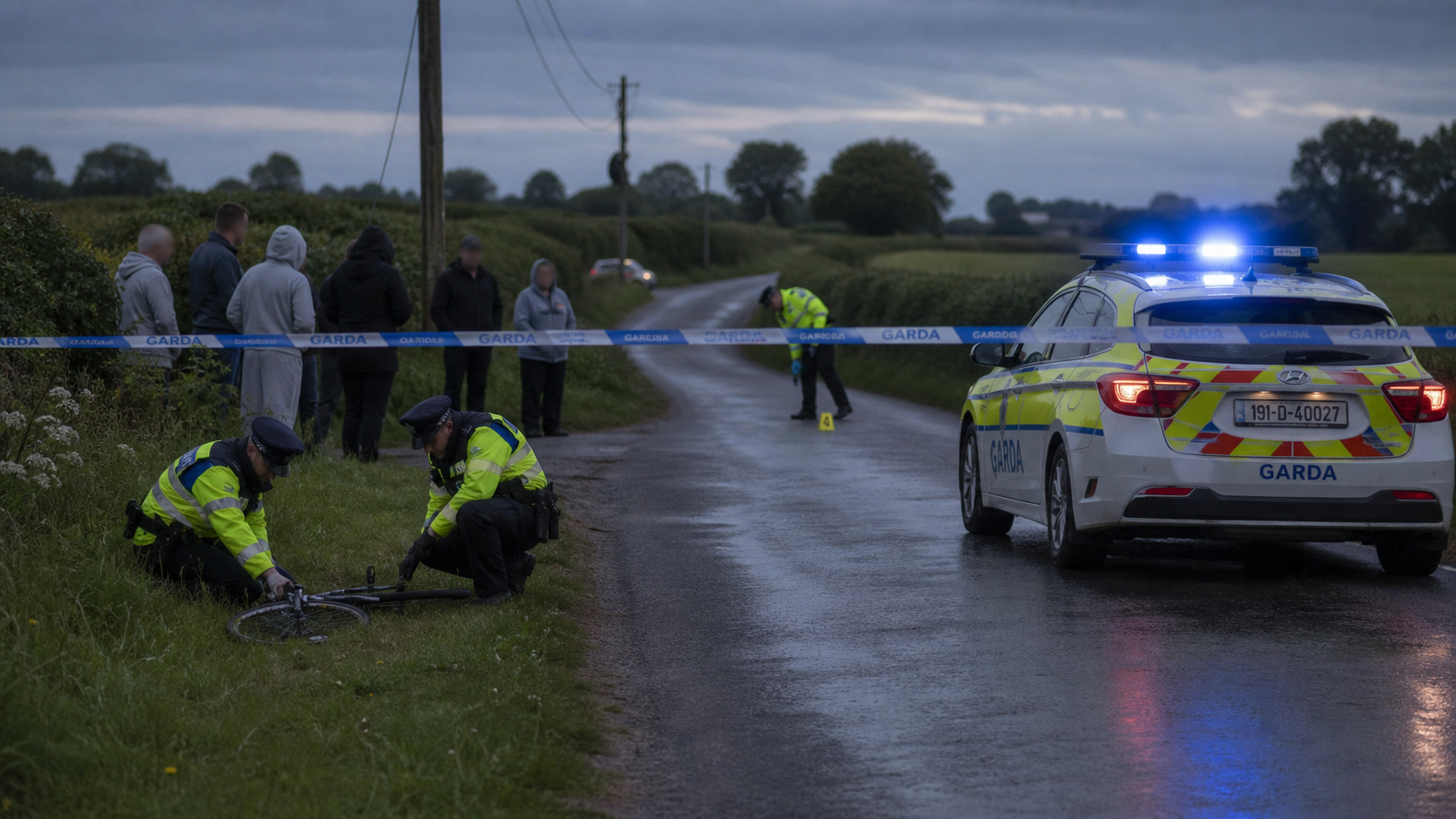
The e-scooter safety debate in Ireland has been driven by a sharp increase in incidents involving the devices, particularly among younger users. Children's Health Ireland reported in July 2026 that e-scooter-related incidents accounted for one-third of all paediatric traumatic brain injury admissions at Temple Street Children's Hospital in 2026 — a figure that prompted urgent government action and a series of emergency meetings between the Department of Transport, the Department of Justice, and An Garda Síochána.
The broader context is one of rapid growth in e-scooter use across Ireland, driven by falling device prices, growing environmental awareness, and the convenience of the technology for short urban journeys. The legal framework governing e-scooters has struggled to keep pace with this growth. Until relatively recently, e-scooters occupied a legal grey area in Irish law, and the regulatory regime that has been developed in recent years has been criticised by safety advocates as insufficiently robust.
The government's July 2026 announcement of a package of safety measures was broadly welcomed, but the decision to include an age ban — without first securing the necessary legislative basis — has created an embarrassing situation in which the most high-profile element of the package cannot be implemented as planned. The Attorney General's advice, which was provided after the announcement rather than before it, has raised questions about the adequacy of the legal review process that preceded the policy announcement.
Key Developments
The safety measures that have taken effect include mandatory high-visibility jackets and helmets for all e-scooter users, regardless of age. On-the-spot fines for e-scooter offences have been increased to €100, and the fees for the release of seized e-scooters have been doubled. By the end of July 2026, authorities had seized 1,412 e-scooters and initiated 793 prosecutions — figures that indicate a significant enforcement effort, though critics argue that the resources devoted to enforcement remain inadequate relative to the scale of the problem.
The proposed legislation, when published, is expected to raise the minimum age for e-scooter use to 18, prohibit the sale of e-scooters to minors, and classify e-scooters as mechanically propelled vehicles — a classification that would require registration and driving licences for users. The classification change would represent a significant shift in the regulatory status of e-scooters and would bring Ireland into line with the approach taken in several other European countries.
Government Chief Whip Mary Butler has indicated that the legislation will be among the priority bills for the autumn term, with a target of publication before the end of October. However, the legislative process — including committee scrutiny, Dáil and Seanad debates, and presidential signature — means that the age ban is unlikely to be in force before early 2027 at the earliest.
Why It Matters
The e-scooter debate reflects a broader challenge facing Irish policymakers: how to regulate rapidly evolving technologies in a way that balances safety, individual freedom, and environmental benefit. E-scooters offer genuine advantages as a low-carbon urban transport option, and an overly restrictive regulatory regime risks pushing users towards less sustainable alternatives. At the same time, the evidence of harm — particularly to children — is compelling and demands a robust policy response.
The Attorney General's intervention also raises questions about the government's policy development process. The announcement of a ban that could not legally be implemented without primary legislation suggests either that the legal advice was not sought in advance or that it was not adequately incorporated into the policy announcement. Either scenario reflects poorly on the process, and the opposition has been quick to highlight the gap between the government's stated intentions and its ability to deliver them.
Local Impact
In Dublin, where e-scooter use is most concentrated, the deferral of the age ban has been met with frustration by parents and school principals who had hoped for a clear legal prohibition on under-18 use. The Garda National Roads Policing Bureau has indicated that it will continue to enforce existing regulations in the interim, but acknowledges that the absence of a clear age restriction makes enforcement more complex. In Cork, Galway, and Limerick, where e-scooter use has also grown significantly, local authorities have been working with the Department of Transport on infrastructure improvements — including dedicated e-scooter lanes and parking facilities — that are designed to reduce the risk of incidents involving pedestrians and other road users.
What's Next
The government has committed to publishing the e-scooter legislation before the end of October 2026. The bill will be referred to the Oireachtas Joint Committee on Transport for pre-legislative scrutiny, a process that typically takes four to six weeks. If the committee process proceeds smoothly, the legislation could be enacted before the end of the year, with the age ban taking effect in early 2027. The government has also indicated that an outright ban on e-scooters remains an option if the new safety measures prove ineffective in reducing the incidence of serious injuries.