Dáil Debates Sinn Féin's Constitutional Change Bill as Government Opposes 'Artificial Deadlines' on Unity
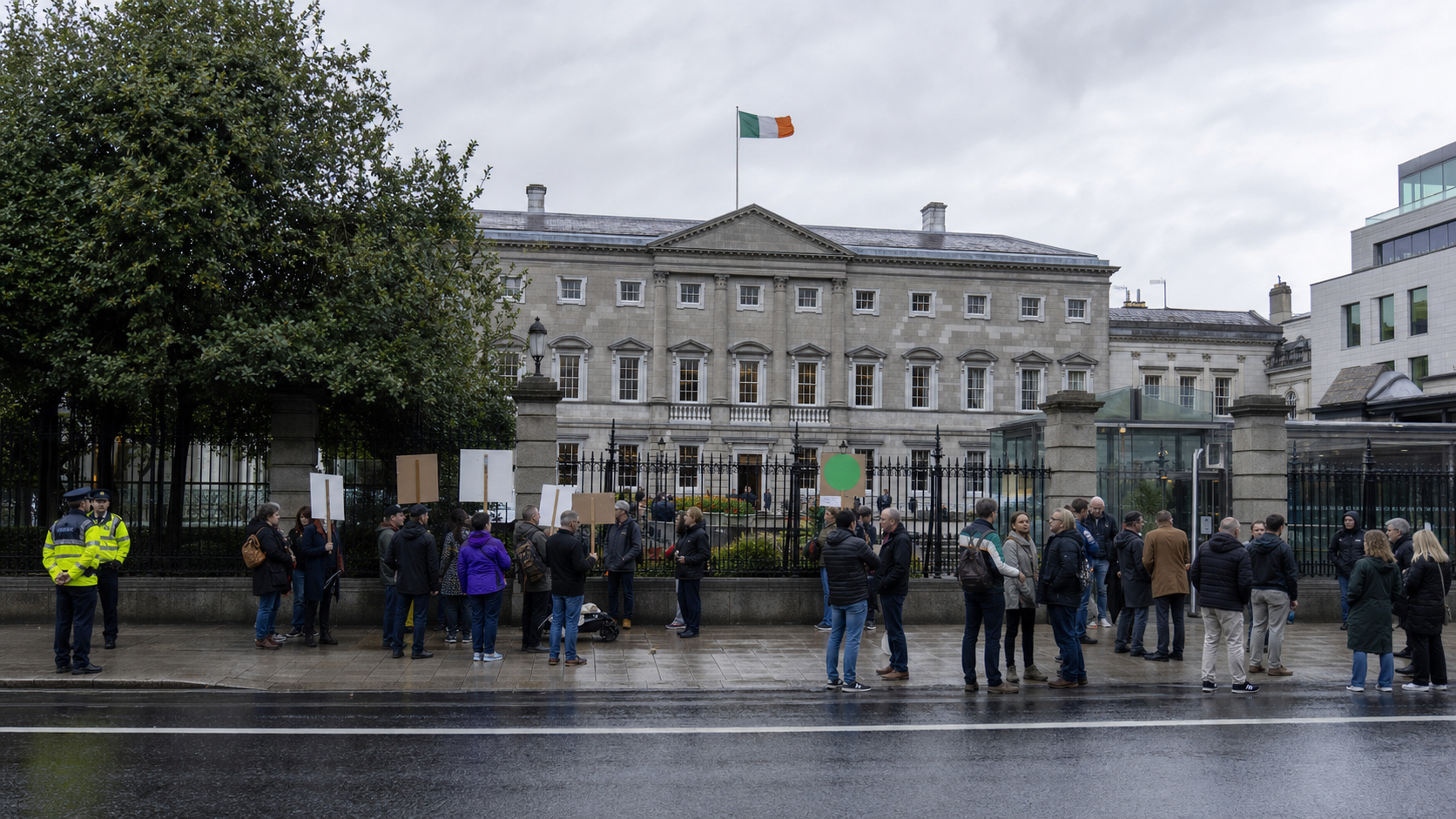
Sinn Féin leader Mary Lou McDonald introduced the Planning for Constitutional Change Bill in Dáil Éireann on 7 July, seeking to legally compel the Irish government to produce a Green Paper on reunification within 18 months and establish a Citizens' Assembly on the matter — only for Taoiseach Micheál Martin to announce the coalition's opposition, dismissing the legislation as "not credible" and warning against imposing artificial deadlines on one of the most complex constitutional questions in the island's history.
Background
The question of Irish unity has moved from the margins to the mainstream of political discourse in the Republic of Ireland over the past decade, driven by the shock of Brexit, demographic shifts in Northern Ireland, and the growing electoral strength of Sinn Féin on both sides of the border. For much of the twentieth century, the constitutional aspiration to reunification was treated by the major parties in the Republic as a distant and largely rhetorical commitment — something to be acknowledged in party constitutions and Ard Fheis speeches but not to be pursued with any urgency or specificity.
That comfortable ambiguity has become increasingly difficult to sustain. The Good Friday Agreement of 1998 established a clear mechanism for a border poll — a referendum on Irish unity — to be called by the Secretary of State for Northern Ireland if it appears likely that a majority would vote in favour. The question of when that threshold has been reached, and who should make that determination, has become one of the most contested issues in Irish politics. Sinn Féin, which has consistently argued that the conditions for a border poll are approaching, has been pressing the Irish government to begin formal preparations for the possibility of reunification.
The Planning for Constitutional Change Bill represents Sinn Féin's most direct legislative attempt to force the government's hand. By seeking to place a statutory obligation on the Taoiseach to produce a Green Paper and establish a Citizens' Assembly, the party is attempting to move the unity debate from the realm of aspiration into the realm of concrete governmental planning.
Key Developments
Mary Lou McDonald's introduction of the bill on 7 July was accompanied by a detailed argument about the lessons of Brexit. She contended that the chaos and disruption caused by the UK's departure from the EU demonstrated the profound dangers of failing to prepare for major constitutional change. "The chaos of Brexit," she argued, "showed what happens when you sleepwalk into a constitutional transformation without planning, without preparation, and without a clear vision of what you are trying to achieve." She also pointed to the political landscape across the UK, noting that with nationalist or pro-independence governments in Scotland, Wales, and Northern Ireland, the union of the United Kingdom is under "unprecedented pressure."
Taoiseach Micheál Martin's response was measured but unambiguous. He labelled the bill "not credible," arguing that it relied on failed assumptions of "one more push" — a reference to the republican tradition of believing that a single decisive political or military action could bring about reunification. Martin argued that the government's approach, centred on the Shared Island initiative and practical North-South cooperation, was the more responsible and effective path. He warned against imposing "artificial deadlines" and "prescriptive" legislation on a process that requires "patience, partnership and enduring consent."
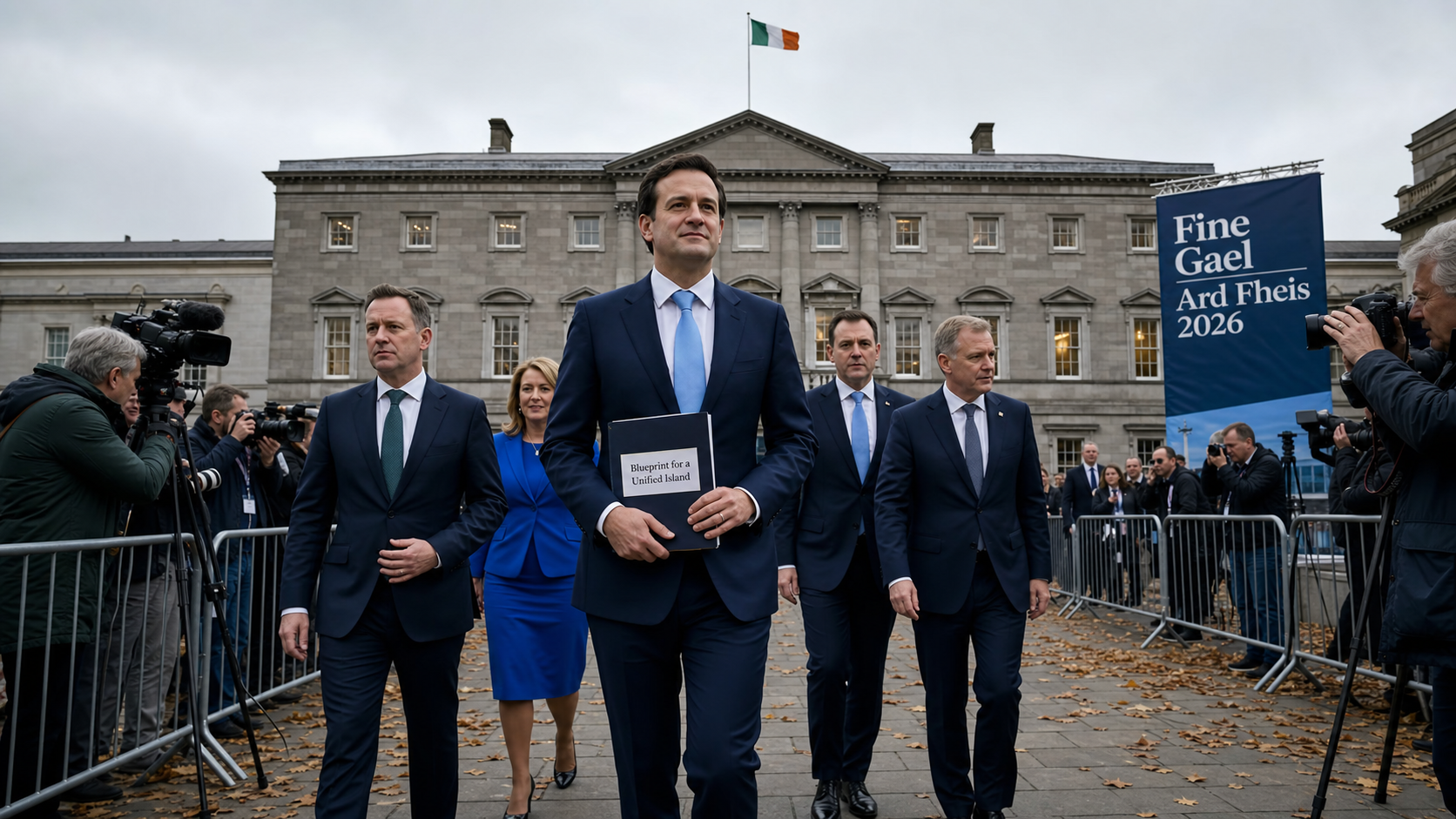
Fine Gael, the junior coalition partner, announced its own separate initiative: a detailed "blueprint for a unified island" to be published at the Fine Gael Ard Fheis in November 2026. Tánaiste Simon Harris framed this as a more responsible and evidence-based approach, designed to move the conversation beyond "slogans, sentimentality, or simplistic assumptions."
Why It Matters
The Dáil debate on the Planning for Constitutional Change Bill matters because it has forced into the open a fundamental strategic disagreement within Irish nationalism about how to pursue the goal of reunification. Sinn Féin's legislative approach reflects a belief that the political conditions for a border poll are approaching and that the government has a responsibility to prepare. The government's opposition reflects a belief that premature or poorly prepared moves towards a referendum could be counterproductive, alienating unionist opinion in Northern Ireland and making the prospect of a successful vote less rather than more likely.
Both positions have merit, and the tension between them is not easily resolved. What is clear is that the unity question can no longer be treated as a distant aspiration. Fine Gael's decision to develop its own blueprint — even while opposing Sinn Féin's bill — is an acknowledgement that the political establishment in Dublin feels it can no longer remain passive on the issue. The debate has also exposed the degree to which anxiety about a potential future Reform UK government in Westminster is shaping thinking in Dublin, with senior figures in both coalition parties expressing concern that an unpredictable UK government might unilaterally push for a border poll or weaponise the cost of the Northern Ireland subvention.
Local Impact
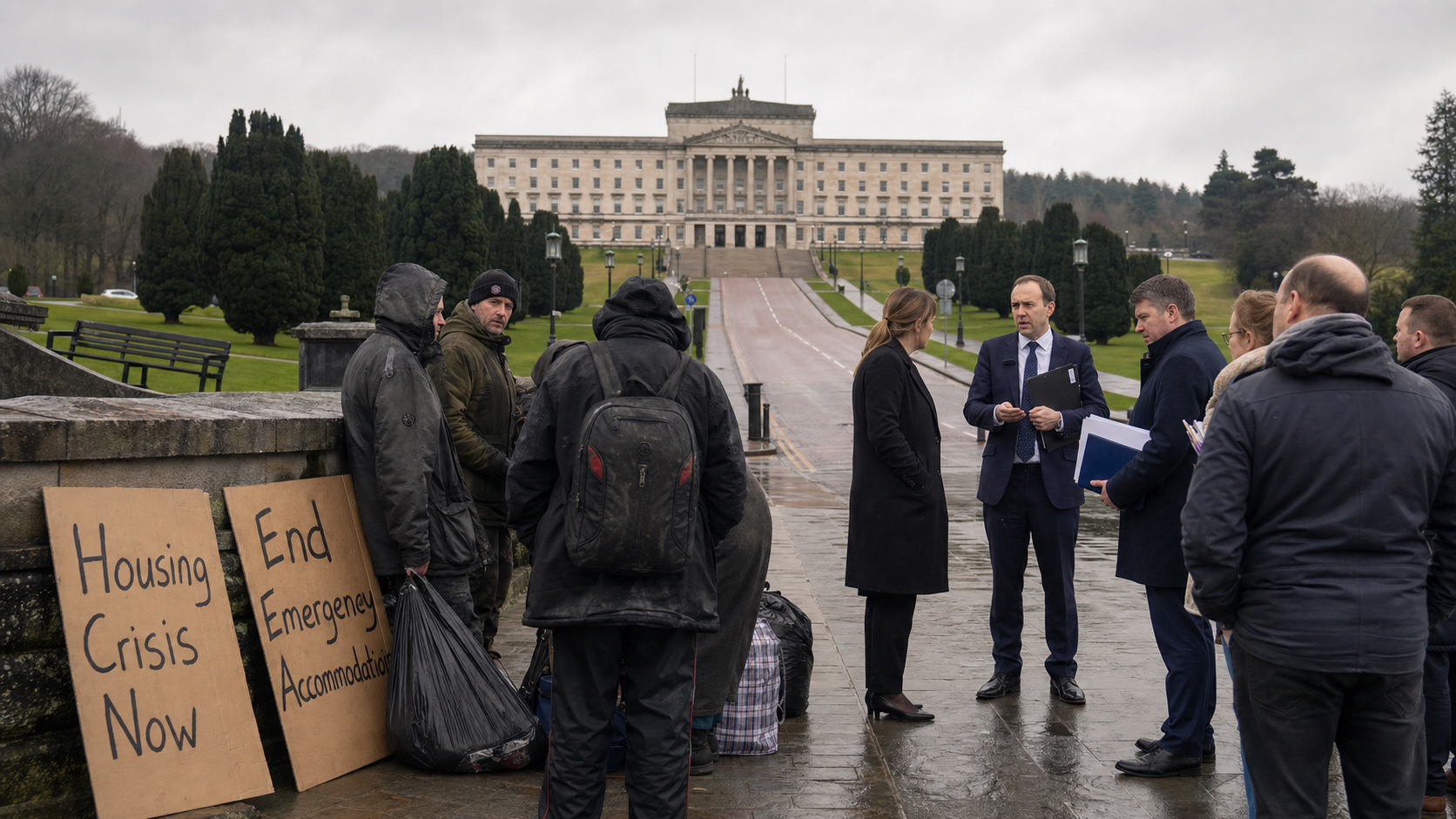
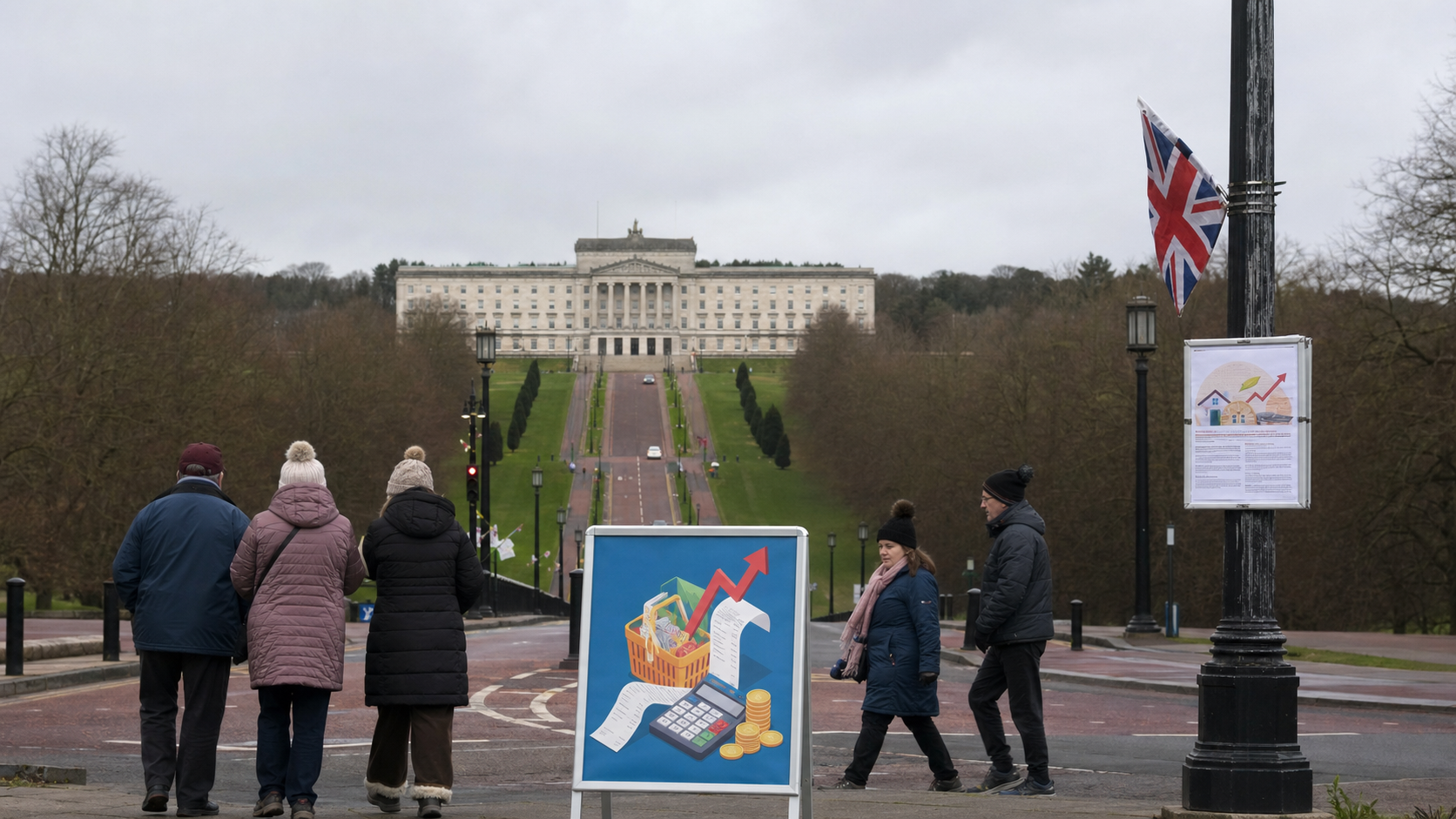
In Northern Ireland, the Dáil debate has been followed closely by all the main parties. Sinn Féin MLAs at Stormont have welcomed the bill as a sign of the party's commitment to pursuing unity through democratic means. The DUP and TUV have expressed alarm at what they characterise as a coordinated push towards a border poll, arguing that the focus should be on making Northern Ireland work within the United Kingdom rather than planning for its dissolution. The Alliance Party, which takes a position of constitutional agnosticism, has called for any discussion of unity to be conducted in a spirit of genuine inclusivity and respect for all traditions. In Dublin, the debate has generated significant public interest, with opinion polls suggesting that while a majority of people in the Republic support the aspiration to unity, there is much less certainty about the timing and the practical arrangements that would be required.
What's Next
The Planning for Constitutional Change Bill will proceed to a second stage debate in the Dáil, where it is expected to be defeated given the government's opposition and its majority in the chamber. Fine Gael's unity blueprint is scheduled for publication at the Ard Fheis in November 2026. The Shared Island unit in the Department of the Taoiseach is expected to publish a further series of research papers on the practical dimensions of reunification before the end of the year. The debate is likely to intensify as the next general election in the Republic approaches, with unity expected to be a significant issue in the campaign.