DVLA Blames Users' Browsers as Booking Sites Remain Inaccessible for Over a Week
The Driver and Vehicle Licensing Agency is facing a fresh wave of public frustration after users across the UK reported being unable to access its online booking platforms for driving tests and other services for periods of up to a week. Despite a flood of complaints on social media, the agency has maintained that its systems are functioning normally and has suggested the fault lies with users' own browsers or local network settings — a response that has drawn further anger from those affected.Background
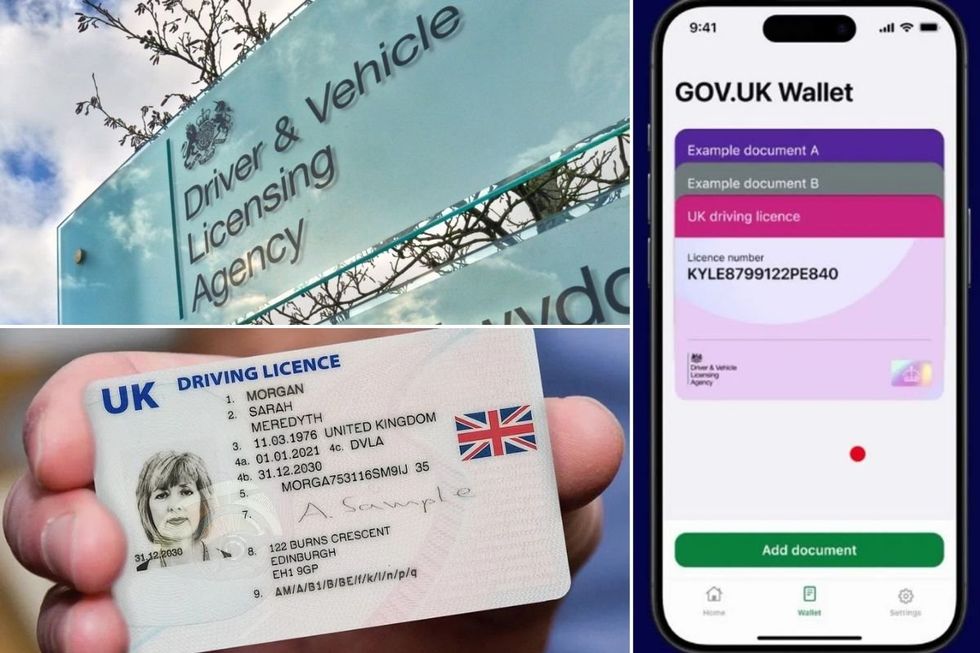
The DVLA, based in Swansea, is responsible for maintaining the register of drivers and vehicles in Great Britain and for administering a range of licensing services, including driving test bookings, vehicle registration, and medical licence applications. The agency processes millions of transactions each year and has been under sustained pressure to modernise its digital infrastructure, which has been criticised repeatedly for being slow, unreliable, and difficult to use.
The agency's IT systems have a troubled history. In recent years, the DVLA has faced criticism for a 14-week backlog in processing medical licence applications, for the poor performance of its customer service chatbot, and for repeated outages affecting its online services. A 2024 report by the National Audit Office found that the DVLA's digital transformation programme had fallen significantly behind schedule and over budget, raising questions about the agency's ability to deliver reliable services to the public.
The current complaints follow a pattern that has become familiar to users of government digital services: a period of apparent inaccessibility, followed by official denials of any systemic problem, followed by a gradual acknowledgement that something has gone wrong. The DVLA's response to the latest complaints has followed this template closely.
Key Developments
Users began reporting problems accessing the DVLA's online booking sites in late April, with some stating they had been unable to load the pages for five days or more. The complaints, shared widely on social media platforms, described users trying multiple browsers, devices, and network connections without success. One user reported spending "five days failing to load it now trying different web browsers, devices etc."
Despite the volume of complaints, a DVLA spokesperson stated: "All of our online services are working as normal... Issues are likely to be related to a user's browser, device or local network." The agency did not acknowledge any systemic fault or provide any timeline for resolution. The response was reported by The Register, which has covered the DVLA's IT difficulties extensively.
The incident has reignited broader concerns about the reliability of government digital services. The DVLA's booking systems are not optional extras — for many people, they are the only way to book a driving test or renew a licence, and extended inaccessibility has real consequences for learner drivers, newly qualified drivers, and those whose licences have lapsed.
Why It Matters
The DVLA's response to this episode illustrates a wider problem with how government agencies communicate about IT failures. Blaming users for systemic problems is a well-documented pattern in public sector IT, and it erodes trust in digital services at a time when the government is pushing hard for more services to be delivered online. The Cabinet Office's Government Digital Service has set standards for the reliability and accessibility of government websites, and the DVLA's performance appears to fall short of those standards.
This is not an isolated incident. The DVLA has faced similar criticism at least three times in the past two years, and the agency's repeated failure to acknowledge problems promptly suggests a cultural issue as much as a technical one. Unlike the NHS's approach to IT failures — where NHS Digital has developed relatively transparent incident reporting processes — the DVLA has no equivalent public-facing status page for its services. For context, the UK government's own digital standards require agencies to publish real-time service status information, a requirement the DVLA appears not to be meeting.
Local Impact
The impact of DVLA outages is felt across the UK, but it falls particularly heavily on people in rural areas where driving is not optional and where public transport alternatives are limited. In Northern Ireland, where the Driver and Vehicle Agency (DVA) operates separately from the DVLA, similar IT challenges have been reported, with waiting times for driving tests running at several months in some areas. For young people in rural communities across England, Scotland, Wales, and Northern Ireland, delays in booking driving tests have knock-on effects on employment, education, and independence. The DVLA's failure to communicate clearly about service disruptions compounds the frustration for those affected.
What's Next
The DVLA has not indicated when or whether it will acknowledge the reported problems. The agency is due to appear before the Transport Select Committee later this year to discuss its digital transformation programme, and MPs are expected to raise the latest complaints. The government's forthcoming Digital Government Bill is expected to include new requirements for transparency around public sector IT failures. Campaigners for better government digital services are calling for an independent audit of the DVLA's IT infrastructure and for the agency to publish a public service status dashboard.
Sources: The Register | National Audit Office