DUP Leader Robinson Calls for Unionist Cooperation Ahead of 2027 Assembly Elections at Party Conference
Democratic Unionist Party leader Gavin Robinson used his party conference address on Friday to issue a direct appeal for formal cooperation between Northern Ireland's unionist parties ahead of the May 2027 Assembly and local government elections, warning that a fractured pro-union vote risks handing seats to Sinn Féin, the Alliance Party, and the SDLP at a moment he described as critical for the future of the Union.
Background
The call for unionist cooperation is not new — it has been a recurring theme in Northern Ireland politics for decades, with varying degrees of success. The DUP and the Ulster Unionist Party have at times coordinated electoral strategies, most notably in opposition to the 1985 Anglo-Irish Agreement, but have more often competed fiercely for the same voter base. The emergence of the Traditional Unionist Voice under Jim Allister has further complicated the arithmetic, drawing votes from both larger parties and contributing to what Robinson characterised as a pattern of self-defeating division.
The 2022 Assembly election provided a stark illustration of the problem Robinson is seeking to address. The loss of a seat in North Antrim — a constituency that should, on the basis of the overall unionist vote, have returned a pro-union candidate — was attributed by DUP strategists to the failure of transfers between unionist parties. Under the single transferable vote system used in Northern Ireland, the order in which voters rank candidates can be as important as the first-preference vote itself, and a failure to encourage transfers between unionist parties can result in votes being wasted.
Robinson confirmed he had written to the incoming UUP leader, Jon Burrows, to initiate formal discussions on cooperation, and that he had previously met with Jim Allister of the TUV to explore similar ground. The DUP's stated goal is not a formal merger but a coordinated approach to maximising the number of pro-union candidates elected across both the Assembly and local government.
Key Developments
In his conference address, Robinson was direct about the stakes. "When unionism is divided, our opponents prosper," he said. "We cannot afford to gift-wrap seats to Sinn Féin and Alliance. The people of Northern Ireland who believe in the Union deserve better than that." He emphasised that the DUP would not approach cooperation from a position of selfishness, and that the party was prepared to make concessions in constituencies where another unionist party was better placed to win.
The response from other parties has been cautious. The UUP, which has its own ambitions to reclaim its status as the largest unionist party, has expressed openness to discussions while making clear it will not subordinate its own electoral interests. The TUV has indicated a willingness to cooperate in principle but has remained critical of the DUP's return to the Stormont institutions and its handling of post-Brexit trade arrangements.
Why It Matters
The 2027 elections will take place against a backdrop of significant political change. The appointment of Andy Burnham as UK Prime Minister has altered the dynamics of the relationship between Westminster and Belfast, and the ongoing debate about Irish unity — while not an immediate prospect — has given unionist parties a heightened sense of urgency about their electoral performance. Robinson's appeal reflects a recognition that the combined unionist vote, if properly coordinated, remains sufficient to maintain a strong pro-union bloc in the Assembly. The question is whether the historical rivalries and personal ambitions that have frustrated previous cooperation efforts can be set aside in the face of what Robinson characterises as an existential challenge. Analysts note that the DUP's own credibility as a broker of cooperation has been damaged by its internal divisions over the Windsor Framework and the Jeffrey Donaldson scandal, and that Robinson will need to demonstrate genuine flexibility to bring other parties on board.
Local Impact
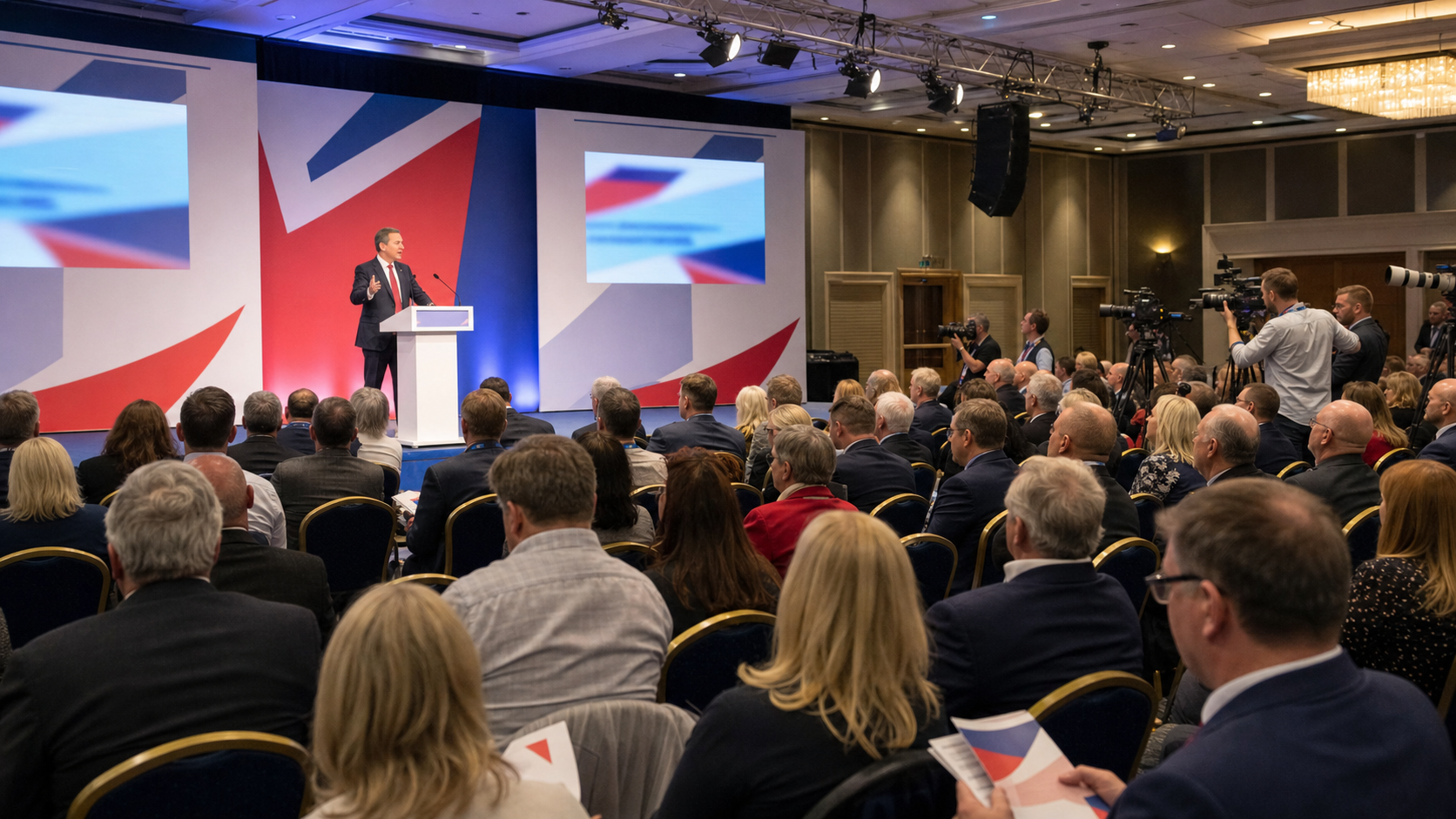
In constituencies across Northern Ireland — from North Antrim to Fermanagh and South Tyrone, where the unionist vote has historically been split — the prospect of formal cooperation has been welcomed by many grassroots activists who have watched seats slip away through division. In Belfast, where the Alliance Party has made significant gains in recent elections, unionist parties face a different challenge: not simply coordinating transfers between themselves but making the case to voters who have drifted towards the cross-community centre ground. The DUP's conference was held in Belfast's Waterfront Hall, and delegates from across the province expressed cautious optimism about the cooperation initiative.
What's Next
Formal talks between the DUP and UUP are expected to begin in October, with a view to reaching an agreement on electoral coordination before the end of 2026. The TUV's position will be a key variable — Allister's party has the capacity to either facilitate or frustrate any cooperation arrangement depending on its willingness to engage. The 2027 elections are scheduled for May, giving the parties approximately eight months to reach agreement.