Dublin's Merrion Square Transformed for 'Heart of Creativity' Festival as City Celebrates Summer Arts Season
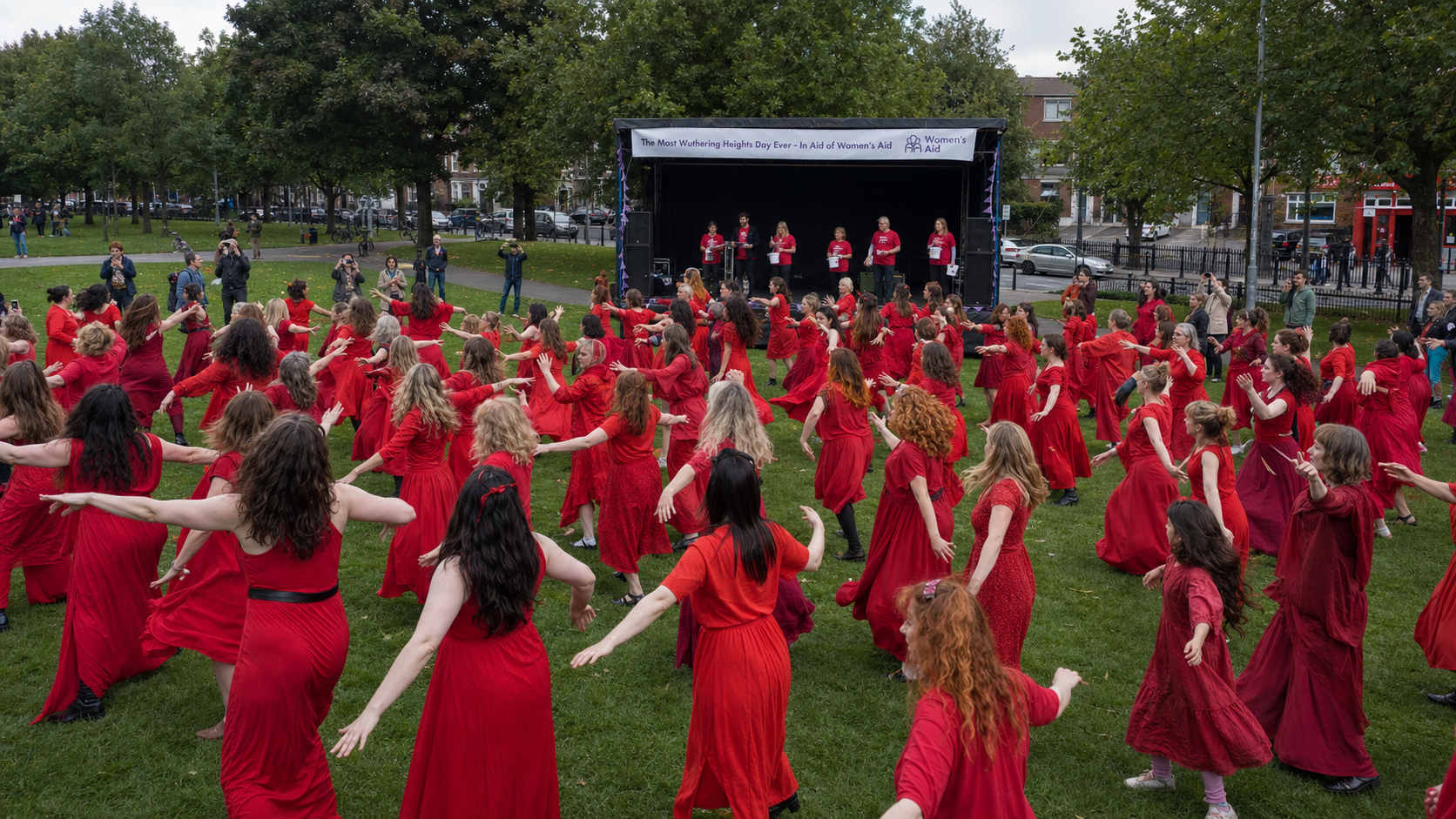
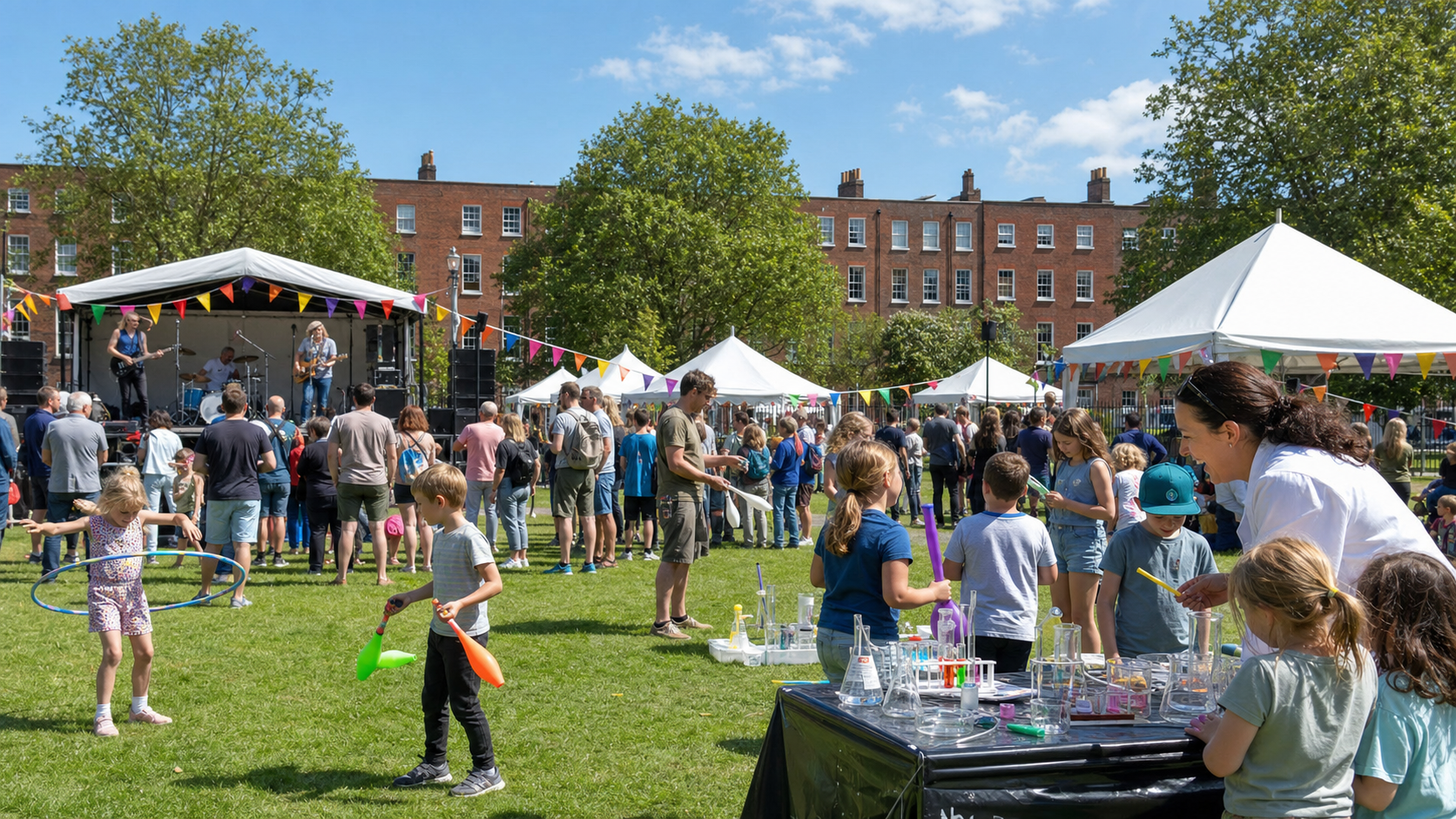
Merrion Square Park in the heart of Dublin was transformed into a vibrant free community arts festival on Saturday as part of Dublin City Council's 'We Love July' programme, with the 'Heart of Creativity' event drawing thousands of visitors to enjoy live music, interactive art installations, circus skills workshops, and science-themed activities in one of the capital's most beloved public spaces.
Background
Dublin City Council's 'We Love July' initiative has become one of the most anticipated fixtures of the capital's summer cultural calendar, animating parks, squares, and public spaces across the city with a diverse programme of free events throughout the month. The programme reflects a deliberate policy commitment by the council to ensure that Dublin's cultural life is accessible to all residents regardless of income, with every event offered entirely free of charge to the public.
Merrion Square, with its elegant Georgian terraces and spacious park, has long served as one of Dublin's most important civic and cultural spaces. The park's history is rich — it was once the private preserve of the surrounding residents, including Oscar Wilde's family, before being opened to the public in 1974. Today it serves as a gathering point for Dubliners from across the city, hosting everything from the weekly art market along its railings to major public events. Its central location, adjacent to the National Gallery of Ireland, the Natural History Museum, and Leinster House, makes it a natural focal point for cultural programming.
The 'Heart of Creativity' concept draws on Dublin's dual identity as both a UNESCO City of Literature and a city with a strong tradition of scientific inquiry and innovation. By combining arts and science programming in a single free outdoor event, the council aims to reflect the full breadth of Dublin's creative and intellectual life, making the festival genuinely inclusive for families, young people, and older residents alike.
Key Developments
Saturday's festival featured a packed programme running throughout the day. Live music performances on a central stage drew large crowds, with acts spanning traditional Irish music, contemporary folk, and popular genres. A dedicated live art area allowed visitors to watch artists at work and, in some cases, participate in collaborative pieces. Creative corners dotted throughout the park offered hands-on workshops in drawing, printmaking, and textile arts.
For younger visitors, the science-themed activities proved particularly popular, with interactive games and demonstrations exploring topics from ecology to physics in accessible, engaging formats. Circus skills workshops attracted enthusiastic participation from children and adults alike, with instructors teaching juggling, acrobatics, and aerial skills. The combination of structured programming and open-ended exploration gave the event a relaxed, festive atmosphere that encouraged visitors to linger and engage.
The event drew participants from across Dublin's diverse communities, with families from the city centre, the suburbs, and beyond making the journey to Merrion Square. Council officials noted that attendance exceeded expectations, with the warm summer weather — part of the ongoing heatwave affecting much of the country — contributing to a particularly high turnout.
Why It Matters
Free public cultural events of this scale and quality are not merely pleasant additions to city life — they perform a vital social function. Research consistently demonstrates that access to arts and cultural experiences is strongly correlated with wellbeing, social cohesion, and civic engagement. In a city where the cost of living has placed enormous pressure on household budgets, the availability of high-quality free programming is particularly significant. Dublin's 'We Love July' initiative represents a recognition by local government that culture is a public good, not a luxury, and that the council has a responsibility to ensure it is accessible to all. This is especially important at a time when many families are managing the financial pressures of the ongoing housing crisis and rising living costs. Events like 'Heart of Creativity' also serve a practical function in activating public space, encouraging residents to engage with their city and with each other in ways that strengthen community bonds.
Local Impact
The immediate neighbourhood around Merrion Square — encompassing the Georgian streets of Dublin 2 and Dublin 4, as well as the nearby Pearse Street and Grand Canal Dock areas — benefited from the increased footfall generated by the festival. Local cafés, restaurants, and shops reported a busy Saturday as visitors to the event explored the surrounding area. For residents of the inner city, particularly those in the social housing complexes of the Pearse Street and Ringsend areas, the free festival offered a high-quality cultural experience within easy reach. The National Gallery of Ireland, which borders the park, also reported increased visitor numbers on Saturday, with many festival-goers taking the opportunity to visit the gallery's current exhibitions, including the final weekend of the William Blake retrospective.
What's Next
The 'We Love July' programme continues throughout the remainder of the month, with further events planned across Dublin's parks and public spaces. The Liberties Festival, a week-long celebration of one of Dublin's oldest and most historically significant communities, is scheduled to begin on 20 July, running until 26 July with a programme of music, history, and community events. Dublin City Council will publish a full review of the 'We Love July' programme in September, assessing attendance figures, community impact, and plans for future editions. The council has indicated its intention to expand the programme in 2027, with additional events planned for communities in the outer suburbs and satellite towns.