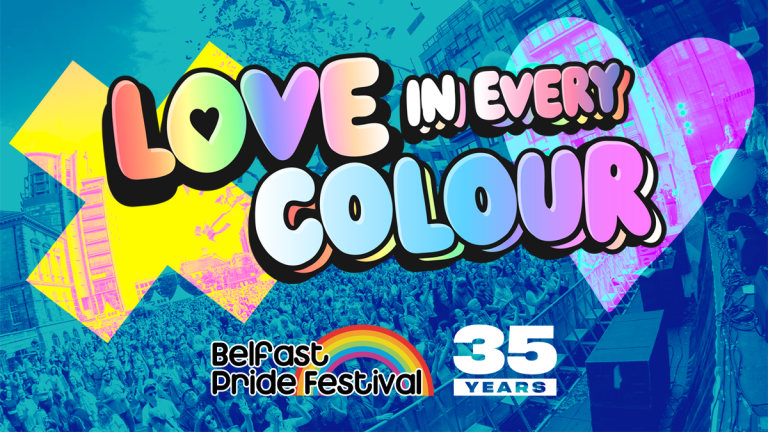
Belfast Pride 2026 Kicks Off 35th Anniversary Festival with Ten Days of Celebration Across the City
Belfast Pride has officially launched its 35th anniversary festival today, Thursday 17 July, with a ten-day programme of events running until Sunday 26 July that celebrates the LGBTQ+ community in Northern Ireland and marks more than three decades of Pride in the city. The milestone edition is the largest in the festival's history, with events spanning venues across Belfast from the Cathedral Quarter to the Titanic Quarter and beyond.
Background
Belfast Pride was first held in 1991, at a time when homosexuality had only recently been decriminalised in Northern Ireland — a legal change that came a full sixteen years after decriminalisation in England and Wales, following a landmark ruling by the European Court of Human Rights in 1981. Those early events were small, often tense affairs, held in the shadow of the Troubles and in a social climate that was, in many quarters, deeply hostile to LGBTQ+ visibility. The courage of those who participated in the first Belfast Pride marches is now widely acknowledged as foundational to the progress that has followed.
The journey from those tentative beginnings to the present day has been neither smooth nor linear. Belfast Pride has navigated controversies over parade routes, clashes with religious groups, and the long campaign for marriage equality in Northern Ireland — a campaign that succeeded in 2020, making Northern Ireland the last part of the United Kingdom to extend equal marriage rights. Each of these milestones has been marked at Pride, and the festival has grown in confidence and scale with each passing year.
The 35th anniversary edition arrives at a moment of relative stability and growing mainstream acceptance. Polling consistently shows majority support for LGBTQ+ rights across Northern Ireland, including in communities that were historically resistant. The festival now attracts tens of thousands of participants and generates significant economic activity for the city, with hotels, restaurants, and bars reporting strong bookings throughout the Pride period.
Key Developments
This year's festival opened today with a series of events across the city, with the main parade scheduled for Saturday 19 July through Belfast city centre. The programme includes film screenings, panel discussions, live music, comedy performances, and a dedicated youth programme for LGBTQ+ young people and their allies. A new addition this year is a community archive exhibition, drawing on photographs, posters, and personal testimonies from the festival's 35-year history, which will be displayed at the Belfast Exposed gallery in the Cathedral Quarter.
The festival has also expanded its educational programming, with schools outreach events and a series of talks on LGBTQ+ history in Ireland scheduled throughout the week. These sessions are aimed at both young people and adults, and reflect a growing recognition that Pride is not only a celebration but also an opportunity for education and reflection.
Organisers have confirmed that this year's festival has received record levels of corporate sponsorship, reflecting the extent to which Belfast's business community has embraced Pride as a positive event for the city's reputation and economy. Several major employers have confirmed they will be marching with their staff in the parade, a visible demonstration of workplace inclusion policies.
Why It Matters
The 35th anniversary of Belfast Pride is more than a milestone for the LGBTQ+ community — it is a marker of how profoundly Northern Irish society has changed since 1991. The contrast with the early years of the festival could hardly be more stark. Where once participants feared abuse and worse, today's Pride attracts broad civic support, with elected representatives from across the political spectrum attending events. This is not to suggest that homophobia and transphobia have been eliminated — hate crime figures remain a concern, and LGBTQ+ young people in rural areas continue to face particular challenges — but the direction of travel is unmistakable.
Belfast Pride also plays an important role in the city's cultural economy. The festival generates an estimated several million pounds in visitor spending each year, with participants travelling from across Ireland, Britain, and further afield. In this respect, it sits alongside events like the Belfast International Arts Festival and Culture Night as a significant driver of tourism and hospitality revenue. The expansion of the programme to ten days reflects both the growing ambition of the organisers and the confidence that the audience is there to sustain it.
Local Impact
The economic impact of Belfast Pride is felt most directly in the Cathedral Quarter, the Gay Quarter around Donegall Street, and the city centre hospitality sector. Bars and restaurants in these areas report some of their strongest trading of the year during Pride week. Hotels across the city have been reporting high occupancy rates for the festival period since bookings opened in the spring. Beyond the economic dimension, Pride has a tangible impact on the wellbeing of LGBTQ+ people in Belfast and across Northern Ireland, providing a visible affirmation of community and belonging that has real significance for individuals who may feel isolated or marginalised in their daily lives.
What's Next
The main Pride parade takes place on Saturday 19 July, assembling at Custom House Square before marching through the city centre. The festival continues until Sunday 26 July, with the closing weekend featuring headline music acts and a community picnic in Botanic Gardens. Organisers have already confirmed that planning for the 36th festival will begin in the autumn, with ambitions to expand the programme further and develop new partnerships with arts organisations across Northern Ireland.