Dublin Theatre Festival Opens with World Premiere of Radio Bette at Gaiety as 26-Production Programme Gets Under Way
The 2026 Dublin Theatre Festival has opened with the world premiere of Radio Bette at the Gaiety Theatre — a production inspired by a rare 1951 rehearsal recording of Bette Davis and featuring Marcus Amaglo in the title role — as the festival's 26-production programme gets under way across venues throughout Dublin under the artistic direction of Róise Goan, who has organised the programme around four thematic strands: Troublemakers, Irish Icons, The Matriarchy, and It's Complicated.
Background
The Dublin Theatre Festival, founded in 1957, is one of the oldest and most prestigious theatre festivals in Europe. Over nearly seven decades, it has introduced Irish audiences to some of the most significant theatrical work of the twentieth and twenty-first centuries, from the early productions of Samuel Beckett and Brian Friel to the contemporary work of Enda Walsh, Marina Carr, and a new generation of Irish playwrights. The festival has also been a platform for international theatre-makers, bringing companies from across Europe, North America, and beyond to Dublin for productions that would not otherwise be seen in Ireland.
Róise Goan, who took over as artistic director in 2024, has brought a distinctive curatorial vision to the festival, organising the programme around thematic strands that create connections between productions and invite audiences to engage with the work in a more structured way. The four strands for 2026 — Troublemakers, Irish Icons, The Matriarchy, and It's Complicated — reflect Goan's interest in work that challenges assumptions, celebrates Irish cultural heritage, centres women's experiences, and explores the complexity of contemporary life.
The 2026 programme, which runs from September 24 to October 11, includes 26 productions across a range of venues including the Gaiety Theatre, the Gate Theatre, the Abbey Theatre, the O'Reilly Theatre, and a number of smaller venues across the city. The programme includes world premieres, Irish premieres, and new productions of classic works, with a strong emphasis on Irish-made theatre alongside international contributions.
Key Developments
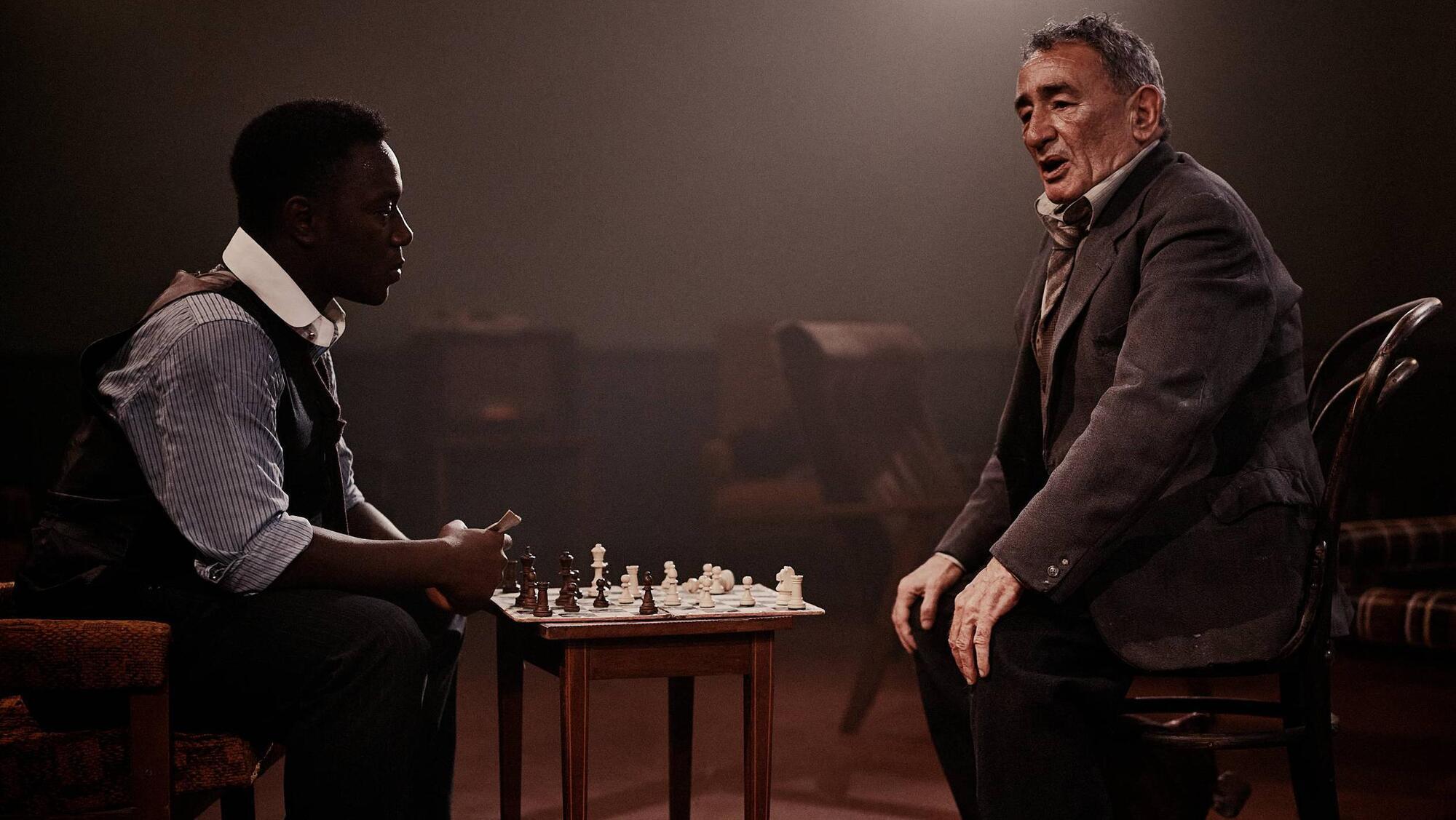
Radio Bette, the festival's opening production at the Gaiety Theatre, is a collaboration between the Dublin Theatre Festival and the New York-based company The Goat Exchange. The production was inspired by a rare 1951 rehearsal recording of Bette Davis performing the role of Margo Channing from All About Eve for a radio broadcast — a recording that captures Davis at the height of her powers in a performance that was never intended for public consumption. Marcus Amaglo plays Bette Davis in the production, which explores the relationship between performance, identity, and the construction of stardom.
The festival's programme also includes Druid's staging of A Moon for the Misbegotten, Irish National Opera's Testament — with music by Tarik O'Regan and a libretto by Colm Tóibín — and ANU's Cyclone. International contributions include Austrian choreographer Florentina Holzinger's TANZ at the O'Reilly Theatre, which has generated significant advance interest following its acclaimed run at the Volksbühne in Berlin. The Write By The Sea Literary Festival in Kilmore Quay, County Wexford, is also concluding this weekend, with a featured event bringing together Neil Jordan and Pat McCabe at St Peter's Church.
The IFI Documentary Festival, which ran from September 23 to 27 at the Irish Film Institute in Dublin, is also concluding this weekend, with screenings including Sinéad O'Shea's All About the Money and Oisín Mistéil's Try!, which won Best Irish Feature Documentary at the 2026 Galway Film Fleadh.
Why It Matters
The Dublin Theatre Festival is one of the most important events in the Irish cultural calendar, and its opening weekend is a significant moment for the arts sector. The festival generates substantial economic activity for Dublin — hotels, restaurants, and transport providers all benefit from the influx of visitors — and it provides a platform for Irish theatre-makers to present their work to an international audience of critics, programmers, and producers. The world premiere of Radio Bette is particularly significant as a marker of the festival's ambition: a co-production with a New York company, inspired by a piece of Hollywood history, and featuring a performer who brings a distinctive perspective to the role of one of cinema's most iconic figures. The festival's thematic organisation also reflects a maturity in the curatorial approach that distinguishes it from a simple showcase of available productions.
Local Impact
The Dublin Theatre Festival has a significant positive impact on the cultural and economic life of the city. The 26 productions across multiple venues create employment for hundreds of theatre professionals — directors, designers, performers, stage managers, and technicians — and generate income for the venues, restaurants, and accommodation providers that serve festival audiences. The festival also plays an important role in the development of Irish theatre talent, providing a platform for emerging artists alongside established names and creating opportunities for collaboration between Irish and international companies. For Dublin audiences, the festival offers an unparalleled opportunity to see a wide range of theatrical work in a concentrated period, and the thematic organisation of the programme encourages audiences to engage with multiple productions and to make connections between them.
What's Next
The Dublin Theatre Festival continues until October 11, with productions running across multiple venues throughout the city. Tickets for most productions are still available, with some shows already sold out. The festival's programme of talks, workshops, and events runs alongside the main production schedule, providing additional opportunities for audiences to engage with the work and with the artists involved. The festival will conclude with a closing night celebration on October 11, at which the highlights of the 2026 programme will be celebrated and the artistic director will give a preview of the 2027 festival. Reviews of Radio Bette and other opening weekend productions are expected to appear in the Irish Times, Irish Examiner, and other publications in the coming days.