Dublin Theatre Festival 2026 Opens with Ruth Negga World Premiere and Ambitious 26-Production Programme
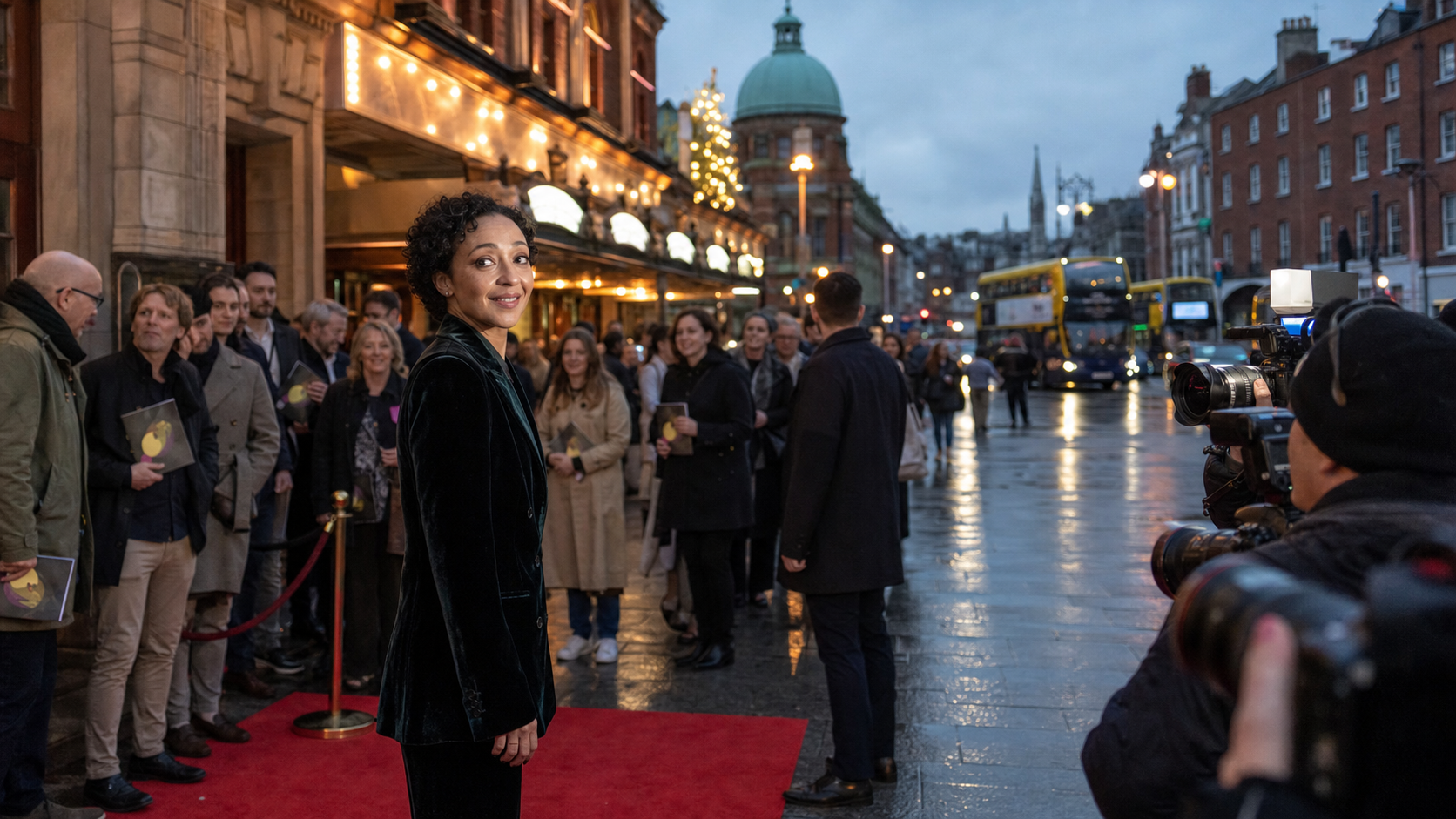
The 2026 Dublin Theatre Festival opens on 24 September with one of the most ambitious programmes in its 69-year history — 26 productions across 18 days, headlined by the world premiere of Radio Bette at the Gaiety Theatre, starring Academy Award nominee Ruth Negga and presented by The Goat Exchange. The festival, curated around four themes — Troublemakers, Irish Icons, The Matriarchy, and It's Complicated — runs until 11 October and features international premieres, new Irish works, and family-friendly productions across venues throughout Dublin city.
Background
The Dublin Theatre Festival, founded in 1957, is one of the oldest and most prestigious theatre festivals in Europe, with a history of presenting world-class productions alongside new Irish work and international premieres. Over nearly seven decades, it has provided a platform for some of the most significant theatrical events in Irish cultural life, from the early productions of Samuel Beckett's work to the world premieres of plays by Brian Friel, Tom Murphy, and Marina Carr. The festival has also been a gateway for international theatre-makers to engage with Irish audiences, bringing work from across Europe, the Americas, and beyond to Dublin's stages.
The 2026 edition, curated by festival director Kris Nelson, is built around four thematic strands that reflect the festival's ambition to engage with the most pressing questions of contemporary life. Troublemakers celebrates artists who challenge convention and disrupt comfortable assumptions. Irish Icons revisits the work of canonical Irish writers and theatre-makers through fresh contemporary lenses. The Matriarchy centres women's stories and women's voices. And It's Complicated acknowledges the messy, contradictory nature of human experience in an era of polarisation and uncertainty.
The festival's programme was announced in July 2026 and has generated considerable anticipation, with tickets for several productions selling out within hours of going on general sale.
Key Developments
The headline production is Radio Bette, a world premiere at the Gaiety Theatre presented by The Goat Exchange and starring Ruth Negga, the Ethiopian-Irish actress who received an Academy Award nomination for her performance in Loving in 2017. Negga, who has maintained strong connections to Ireland throughout her international career, returns to the Dublin stage for the first time in several years in what is described as a bold, formally inventive piece that explores the relationship between celebrity, intimacy, and the mediated self.
The international programme includes the Dublin debut of Austrian choreographer Florentina Holzinger, whose work TANZ will be presented at the O'Reilly Theatre. Holzinger is one of the most provocative and discussed theatre-makers in Europe, and her Dublin debut has been one of the most anticipated events of the festival season. Brazilian director Carolina Bianchi's The Brotherhood and Rébecca Chaillon's La Parabole du Seum (Parable of the Sour) complete the international highlights.
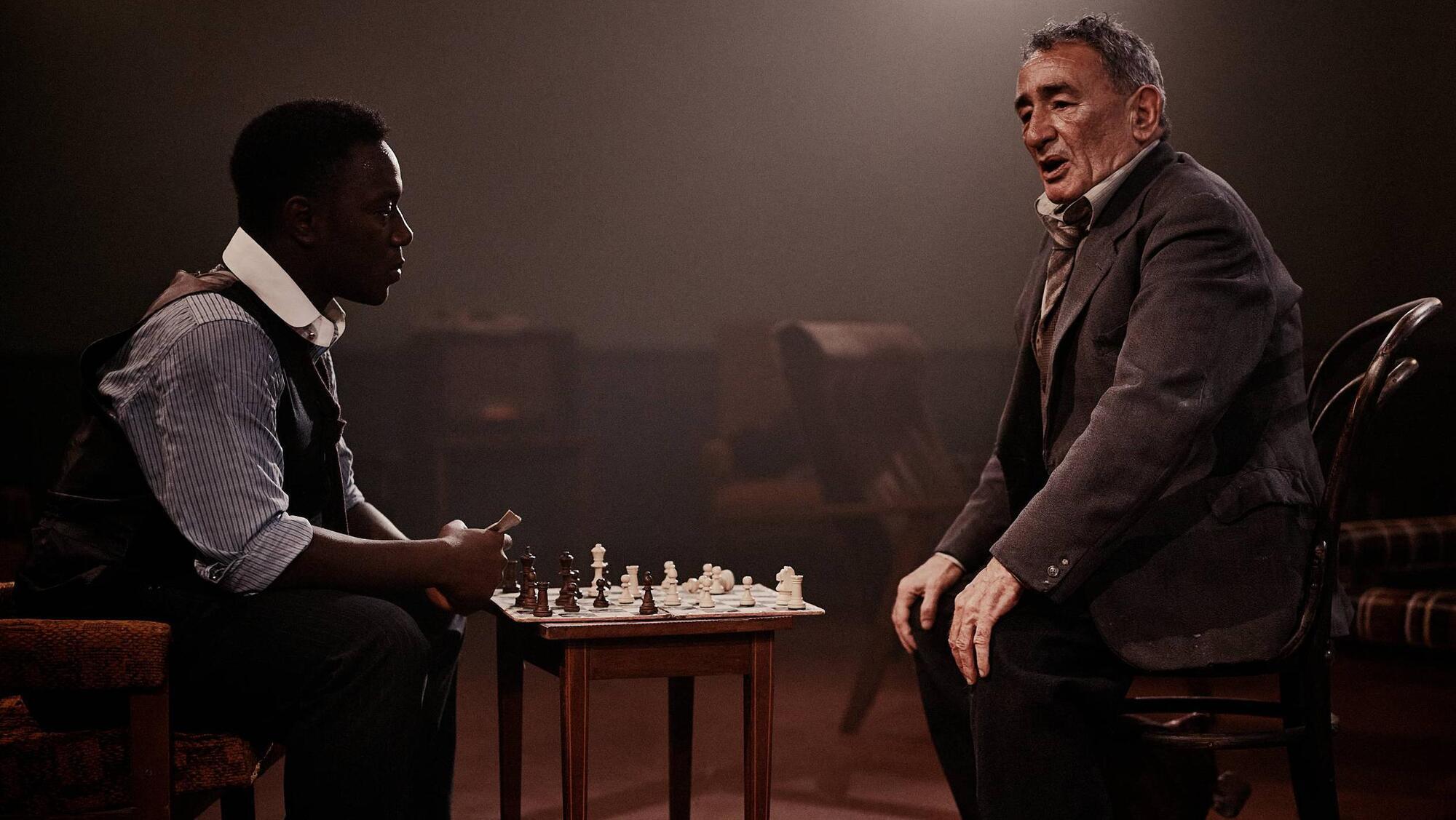
The Irish programme includes Druid's staging of Eugene O'Neill's A Moon for the Misbegotten, Irish National Opera's Testament (with music by Tarik O'Regan and libretto by Colm Tóibín), and ANU's Cyclone. Dan Colley's adaptation of Blindboyboatclub's ANIMALS — the same work that received its world premiere at the Abbey Theatre earlier this month — also features in the programme, alongside Company Philip Connaughton's Rebellious Hope and Amanda Coogan's Dignity, a collaboration with the Dublin Theatre of the Deaf.
Why It Matters
The Dublin Theatre Festival matters because it is one of the most important platforms for Irish theatre in the world, and because the 2026 programme represents a genuine statement of ambition about what Irish theatre can be and do. The decision to open with a Ruth Negga world premiere is a signal that the festival is operating at the highest international level, while the inclusion of new Irish works by Druid, Irish National Opera, and ANU demonstrates a commitment to nurturing the domestic theatre ecology. The four thematic strands — Troublemakers, Irish Icons, The Matriarchy, It's Complicated — are not merely marketing categories but genuine curatorial choices that give the programme coherence and purpose. In an era when theatre is competing for attention with an ever-expanding range of entertainment options, the festival's ability to generate genuine excitement and sell out productions within hours of going on sale is a testament to the enduring vitality of live performance in Irish cultural life.
Local Impact
The Dublin Theatre Festival generates significant economic activity for the city, with hotels, restaurants, and bars across the city centre reporting strong bookings throughout the 18-day programme. The festival's venues — including the Gaiety, the Abbey, the Gate, the O'Reilly, and the Project Arts Centre — are spread across the city, drawing audiences to different neighbourhoods and supporting local businesses in areas including Temple Bar, the Liberties, and Parnell Square. For Dublin's theatre community — actors, directors, designers, stage managers, and technicians — the festival provides employment and creative opportunities that are difficult to replicate at any other time of year. The family programme, presented in partnership with The Ark, also provides an important entry point for younger audiences, with the Irish premieres of Bees and Pram People by Australia's Polyglot Theatre expected to be among the most popular events of the festival.
What's Next
The Dublin Theatre Festival 2026 runs from 24 September to 11 October. Tickets for several productions are already sold out, but returns and late releases are expected throughout the festival period. A full programme, including accessible performances with ISL interpretation, audio description, touch tours, and relaxed performances, is available on the festival website. Planning for the 2027 edition is expected to begin in early 2027, with the programme to be announced in July 2027.