Dublin Theatre Festival 2026 Opens with International Programme Spanning Abbey, Gate and Unexpected City Spaces
The Dublin Theatre Festival 2026 has opened with an ambitious international programme that spans the Abbey Theatre, the Gate Theatre, and a range of unexpected city spaces across the capital, running in parallel with the Dublin Fringe Festival in what promises to be the most concentrated fortnight of theatre in Dublin's recent history — with Druid Theatre's touring production of Eugene O'Neill's A Moon for the Misbegotten among the most anticipated productions of the season.
Background
The Dublin Theatre Festival, established in 1957, is one of the oldest and most prestigious theatre festivals in Europe. Over its nearly seven decades of existence, it has provided a platform for the best of Irish and international theatre, premiering works that have gone on to define the global theatrical canon and introducing Irish audiences to the most innovative and challenging work being produced around the world.
The festival has navigated significant challenges in recent years, including the disruption of the Covid-19 pandemic and the subsequent pressures on arts funding and audience behaviour. The 2026 edition represents a confident statement of intent from the festival's artistic leadership, with a programme that balances the ambition of international co-productions with the intimacy of site-specific work in unexpected locations across the city.
The Dublin Fringe Festival, which runs concurrently with the Theatre Festival, provides a complementary programme of more experimental and emerging work, creating a fortnight in which Dublin becomes one of the most theatrically active cities in Europe. The combination of the two festivals, alongside Culture Night on September 18, makes the second half of September an extraordinary period for arts and culture in the capital.
Key Developments
The 2026 Dublin Theatre Festival programme includes productions at the Abbey Theatre, the Gate Theatre, the Gaiety Theatre, and a range of smaller venues and site-specific locations across the city. The international dimension of the programme is particularly strong, with companies from across Europe, North America, and further afield bringing work to Dublin that reflects the global reach of the festival's artistic relationships.
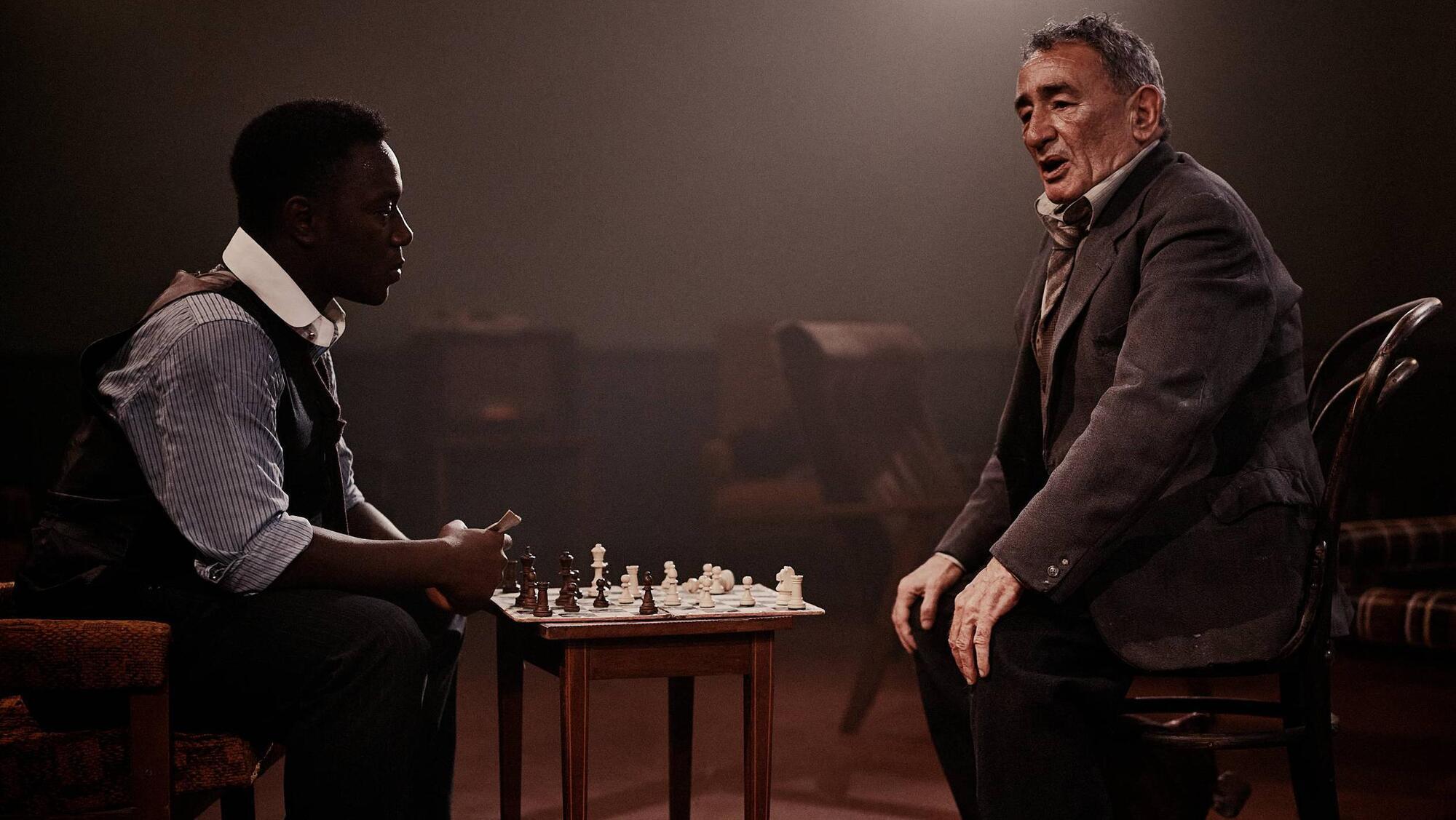
Druid Theatre's touring production of Eugene O'Neill's A Moon for the Misbegotten is one of the most anticipated productions of the festival. The Galway-based company, which has a long history of producing definitive Irish productions of O'Neill's work, is bringing the play to both Galway and Dublin audiences, with the Dublin run at the Abbey Theatre expected to be a highlight of the festival programme.
The Dublin Fringe Festival, running until September 20, has established itself as one of the most important platforms for contemporary Irish and international performance art. The 32nd edition of the Fringe features theatre, dance, comedy, and immersive art at venues from the Abbey Theatre to pubs and public spaces across the city, with a particular emphasis on work by emerging Irish artists.
The National Concert Hall's 2026-27 Classical Season has also launched this week, with the Royal Irish Academy of Music's "Wigmore Series Dublin 2026-27" providing a complementary programme of chamber music that adds to the richness of Dublin's cultural offering in September.
Why It Matters
The Dublin Theatre Festival is one of Ireland's most important cultural institutions, and its annual programme plays a significant role in shaping the country's theatrical culture. The festival's ability to attract international companies and to co-produce work with partners across Europe and beyond gives Irish audiences access to the best of global theatre, while its support for Irish work ensures that the festival remains rooted in the specific concerns and preoccupations of Irish society.
The concurrent running of the Theatre Festival and the Fringe Festival creates a unique cultural ecosystem in Dublin during September, with audiences able to move between the established institutions and the more experimental spaces of the Fringe. This combination of the canonical and the cutting-edge is one of the defining characteristics of Dublin's theatrical culture and a significant draw for international visitors.
The economic impact of the two festivals is also significant. Theatre audiences generate substantial spending in the hospitality, retail, and transport sectors, and the international profile of the Dublin Theatre Festival attracts visitors from across Europe and beyond who contribute to the city's tourism economy.
Local Impact
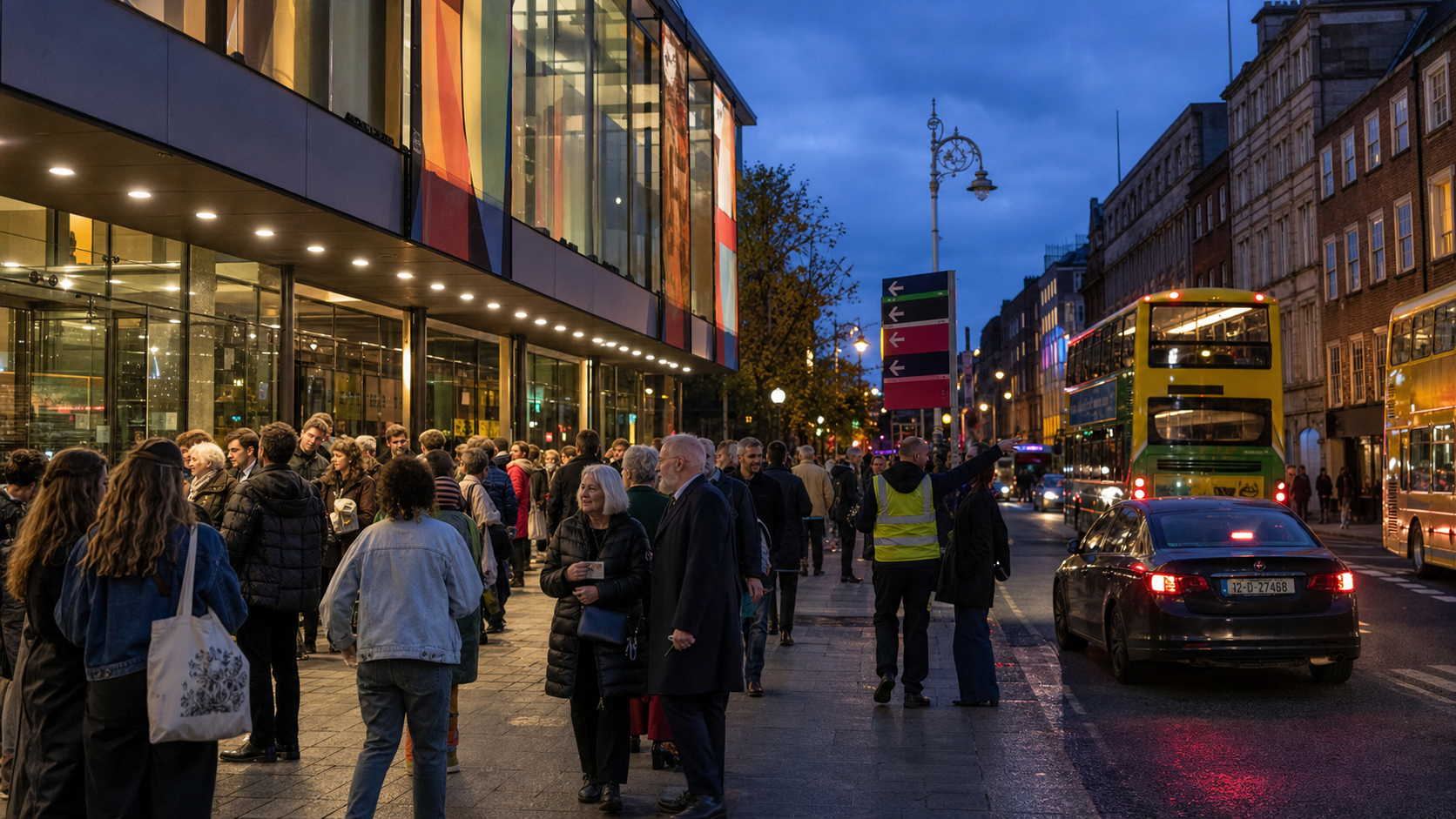
In Dublin, the Theatre Festival and Fringe Festival transform the city's cultural geography for a fortnight, with performances taking place in venues from the Docklands to the Liberties, from Smithfield to Rathmines. The concentration of theatrical activity in the city centre creates a sense of cultural vitality that is felt across the hospitality and retail sectors, with restaurants, bars, and cafés in the vicinity of major venues reporting strong business during the festival period.
For Dublin's theatre community — actors, directors, designers, stage managers, and the many other professionals who make theatre possible — the festival period is one of the most intense and rewarding of the year. The opportunity to work on productions of international quality, to engage with visiting companies, and to present work to audiences from across Ireland and beyond is a significant professional and creative stimulus.
What's Next
The Dublin Theatre Festival runs until October 4, with the full programme available on the festival's website. The Dublin Fringe Festival concludes on September 20. Culture Night on September 18 will provide a midpoint celebration of the cultural activity taking place across the city. Druid Theatre's A Moon for the Misbegotten runs at the Abbey Theatre from September 15 to October 3.