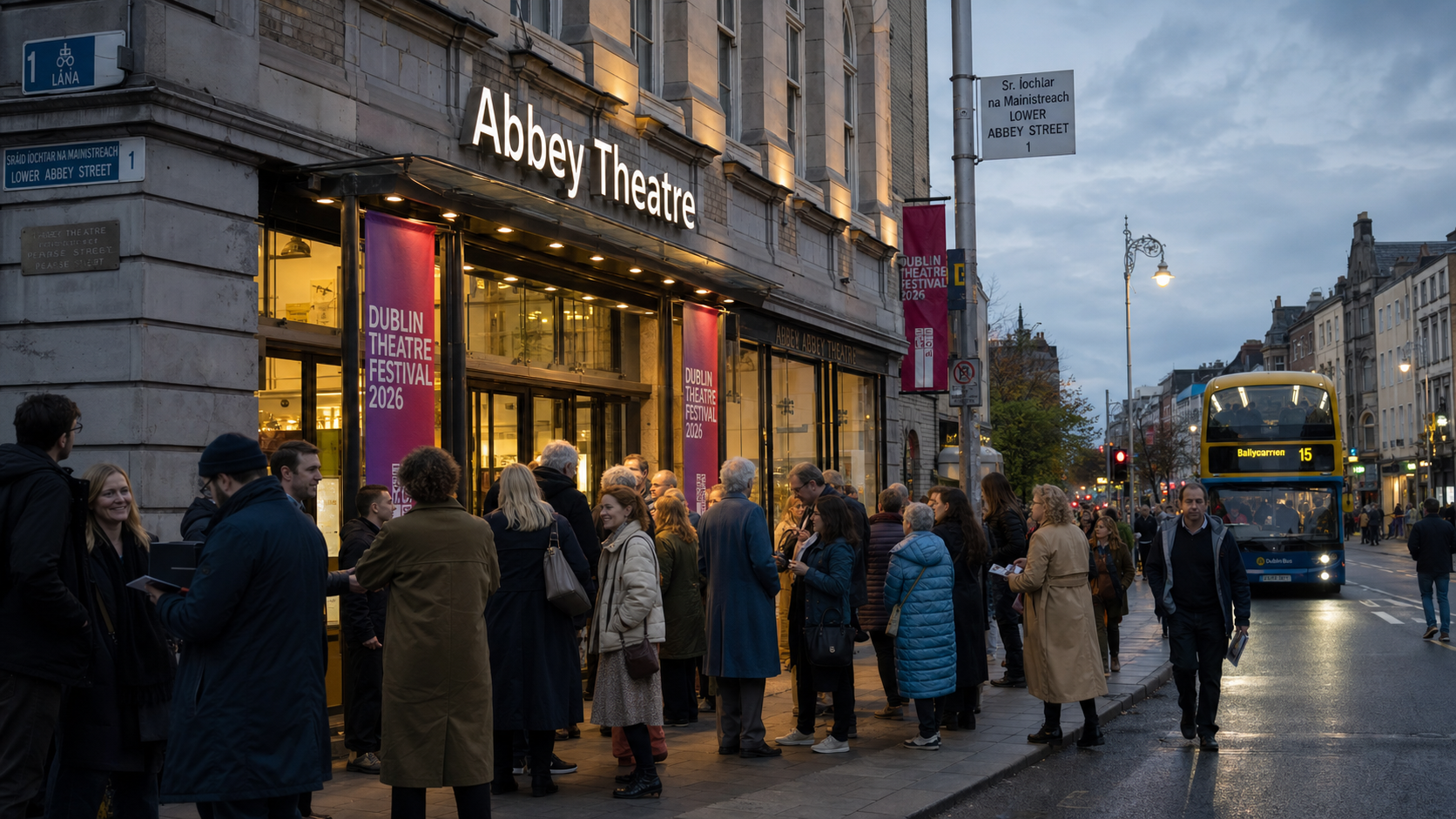
Dublin Theatre Festival 2026 Opens with 26 Productions as Irish and International Companies Take to the Stage
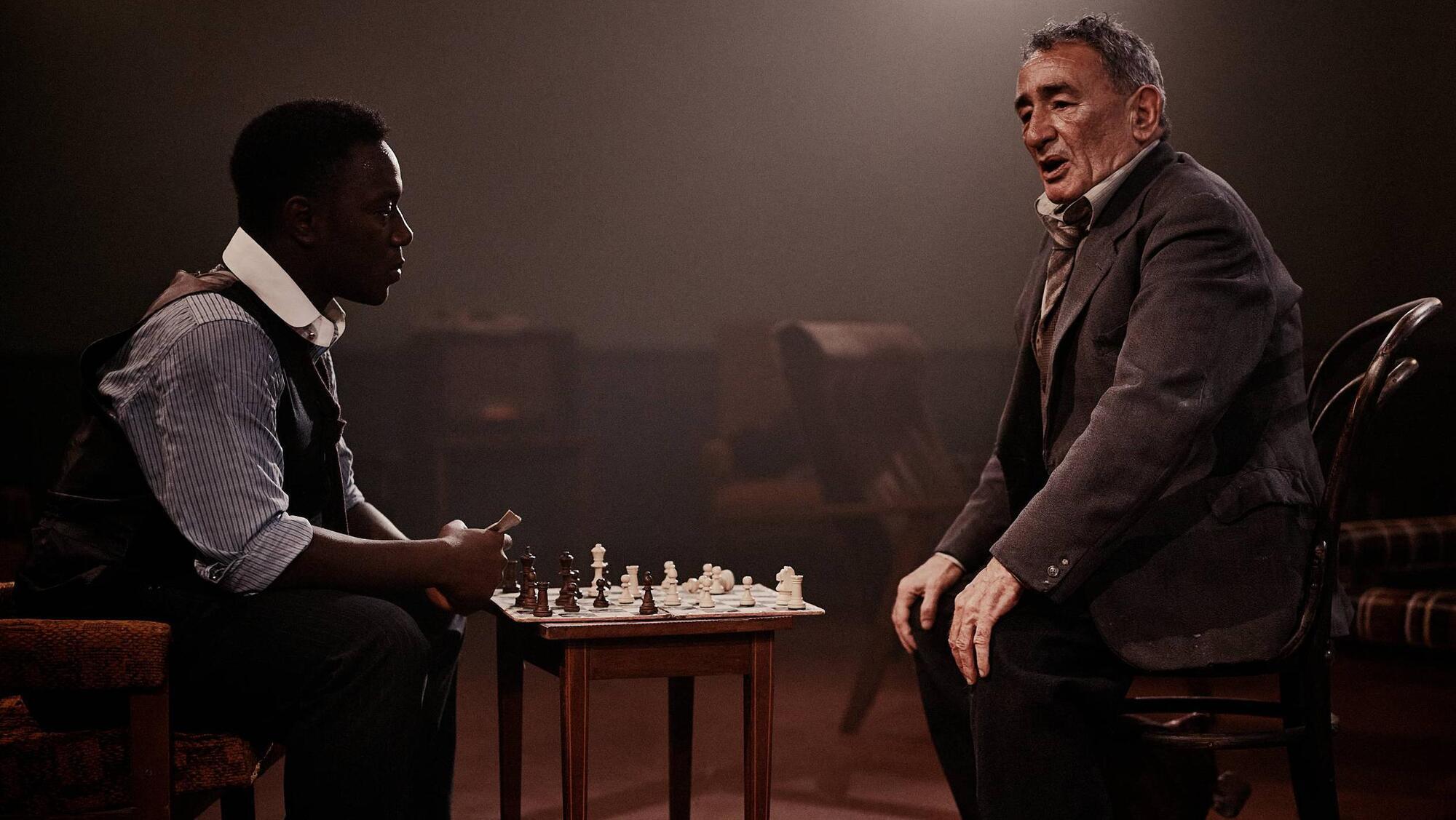
The Dublin Theatre Festival 2026 has opened with a programme of 26 productions spanning Irish and international companies, with the Abbey Theatre, the Gate Theatre, and a range of smaller venues across the capital hosting performances that reflect the full breadth of contemporary theatre practice — from large-scale productions to intimate site-specific work.
Background
The Dublin Theatre Festival is one of Europe's oldest and most prestigious theatre events, having been founded in 1957. Over nearly seven decades, it has established itself as a major platform for Irish theatre on the international stage and as a showcase for the best of world theatre for Irish audiences. The festival has premiered work by some of the most significant playwrights and directors of the past century, including Samuel Beckett, Brian Friel, Tom Murphy, and Marina Carr, and has brought major international companies from Europe, North America, and beyond to Dublin.
The 2026 festival is the first under the artistic direction of a new leadership team, which has signalled its intention to broaden the festival's reach and to engage more directly with communities across Dublin that have historically been underserved by the mainstream theatre sector. The programme reflects this ambition, with a mix of large-scale productions at the Abbey and Gate alongside smaller, more experimental work at venues including the Project Arts Centre, the Smock Alley Theatre, and a range of non-traditional spaces across the city.
The festival runs concurrently with the Dublin Fringe Festival, which presents a separate programme of emerging and experimental work, creating a fortnight of intense theatrical activity that makes Dublin one of the most vibrant theatre cities in Europe during September.
Key Developments
The 2026 festival opened on Wednesday with a programme of 26 productions, including world premieres, Irish premieres, and revivals of significant works from the Irish and international repertoire. The Abbey Theatre is presenting a major new production of a classic Irish play, while the Gate Theatre is hosting an international company in a production that has received significant critical attention at festivals in Europe. The Project Arts Centre is presenting a programme of new Irish writing, with several productions by emerging playwrights receiving their world premieres.
The festival has also programmed a number of site-specific and outdoor productions, taking advantage of Dublin's rich architectural heritage and public spaces. A production set in the grounds of a Georgian townhouse in the city centre and a promenade performance through the streets of the Liberties are among the most anticipated events in the programme.
The international dimension of the festival is strong, with companies from France, Germany, the Netherlands, and the United States among those presenting work in Dublin. The presence of international companies provides Irish audiences with access to theatre practices and traditions that are not always visible in the domestic programme, and creates opportunities for Irish theatre-makers to engage with their international counterparts.
Why It Matters
The Dublin Theatre Festival plays a vital role in the ecology of Irish theatre. It provides a platform for Irish work to reach international audiences and critics, helping to build the international reputations of Irish playwrights, directors, and companies. It also brings international work to Dublin, exposing Irish audiences and theatre-makers to the full range of contemporary theatre practice and stimulating creative exchange. The festival's economic impact is also significant: it attracts thousands of visitors to Dublin, generates revenue for hotels, restaurants, and other businesses, and supports employment in the arts sector.
The 2026 festival arrives at a moment of significant change in Irish theatre. The sector has been grappling with the legacy of the Covid-19 pandemic, which forced the closure of theatres for extended periods and disrupted the careers of many theatre-makers. The recovery has been uneven, with larger institutions generally faring better than smaller companies and independent artists. The festival's commitment to presenting work by emerging and independent artists alongside established companies is an important signal of its role in supporting the full breadth of the Irish theatre ecosystem.
The concurrent running of the Dublin Theatre Festival and the Dublin Fringe Festival creates a unique concentration of theatrical activity that is unmatched in Ireland and comparable to the best theatre festivals in Europe. The combination of established and emerging work, Irish and international companies, and large and small-scale productions makes September in Dublin one of the most exciting times to engage with live performance.
Local Impact
The Dublin Theatre Festival generates significant economic activity across the city. The Abbey Theatre on Abbey Street, the Gate Theatre on Cavendish Row, and the Project Arts Centre on East Essex Street are among the principal venues, but the festival's reach extends across the city, with productions in venues from Ballymun to Ringsend and from Phibsborough to Rathmines. The festival's audience includes a significant proportion of international visitors, who combine attendance at theatre performances with visits to Dublin's museums, galleries, restaurants, and other cultural attractions. Dublin City Council and the Arts Council of Ireland are among the principal funders of the festival, reflecting its importance to the city's cultural life and international reputation.
What's Next
The Dublin Theatre Festival runs until late September 2026, with the full programme available on the festival's website. A number of productions are already sold out, and the festival has indicated that additional tickets may be released for some shows in the coming days. The festival will conclude with an awards ceremony recognising outstanding contributions to Irish theatre during the 2026 programme. The 2027 festival dates will be announced in the new year.