Dublin Fringe Festival: Hansel and Gretel Reimagining Scoops Production Award as Programme Reaches Climax
A bold and critically acclaimed reimagining of the Hansel and Gretel fairy tale has scooped the production award at the 2026 Dublin Fringe Festival as the annual celebration of independent theatre, performance, and live art reaches its climax this week, with the festival having presented more than 80 productions across venues throughout Dublin city over the past fortnight.
Background
The Dublin Fringe Festival is one of Ireland's most important cultural events, providing a platform for independent theatre makers, performance artists, and emerging companies to present work that might not find a home in the mainstream producing houses. Founded in 1995, the festival has grown into one of the largest multi-disciplinary arts festivals in Ireland, presenting work across a wide range of venues — from established theatres to site-specific locations, pubs, warehouses, and public spaces — and attracting audiences from across Ireland and internationally.
The festival has a strong tradition of nurturing emerging Irish talent, and many of the country's most celebrated theatre makers — including Enda Walsh, Lynne Parker, and Caitríona McLaughlin — have presented early work at the Fringe before going on to major careers in Irish and international theatre. The festival also provides a platform for international companies, creating a dialogue between Irish and global performance practices that enriches the cultural life of the city.
The 2026 programme, curated under the theme of transformation and reimagining, has been particularly strong in its engagement with classic texts and fairy tales, with several productions exploring the dark psychological undercurrents of familiar stories. The Hansel and Gretel production, created by a Dublin-based company, has been one of the standout works of the festival, generating strong reviews and sold-out performances throughout its run.
Key Developments
The production award, one of the festival's most prestigious recognitions, was presented to the Hansel and Gretel reimagining at a ceremony this week. The production, which strips the familiar fairy tale of its comforting elements to expose the economic desperation and parental failure at its core, was praised by the judging panel for its visual imagination, its physical performance, and its willingness to engage with the story's darkest implications. The production has been described by critics as one of the most compelling pieces of Irish theatre seen this year.
The festival's programme has also included a number of other notable productions, including a site-specific work set in a former industrial building in the Liberties, a new Irish-language performance piece developed in partnership with Galway's Taibhdhearc na Gaillimhe, and a series of late-night cabaret performances that have become one of the festival's most popular strands. The festival's outdoor programme, which has taken advantage of Dublin's public spaces, has attracted large audiences of both regular festivalgoers and casual passers-by.
The 2026 festival has also seen a significant increase in international co-productions, with companies from France, Germany, and the United States presenting work in Dublin as part of exchange programmes facilitated by Culture Ireland and the festival's own international partnerships.
Why It Matters
The Dublin Fringe Festival matters because it provides a space for artistic risk-taking that the commercial theatre sector cannot always accommodate. The productions that win awards at the Fringe are often the ones that challenge audiences, that experiment with form, and that address difficult subjects in unexpected ways. The Hansel and Gretel production's award is a recognition of exactly that kind of artistic courage — a willingness to take a familiar story and use it to say something genuinely unsettling about the world we live in.
The festival also matters as an economic driver for Dublin's cultural economy. The 80-plus productions presented over two weeks generate significant revenue for venues, accommodation providers, restaurants, and other businesses in the city. The festival's audience — which includes a significant proportion of international visitors — contributes to Dublin's reputation as a cultural destination and supports the broader tourism economy.
Local Impact
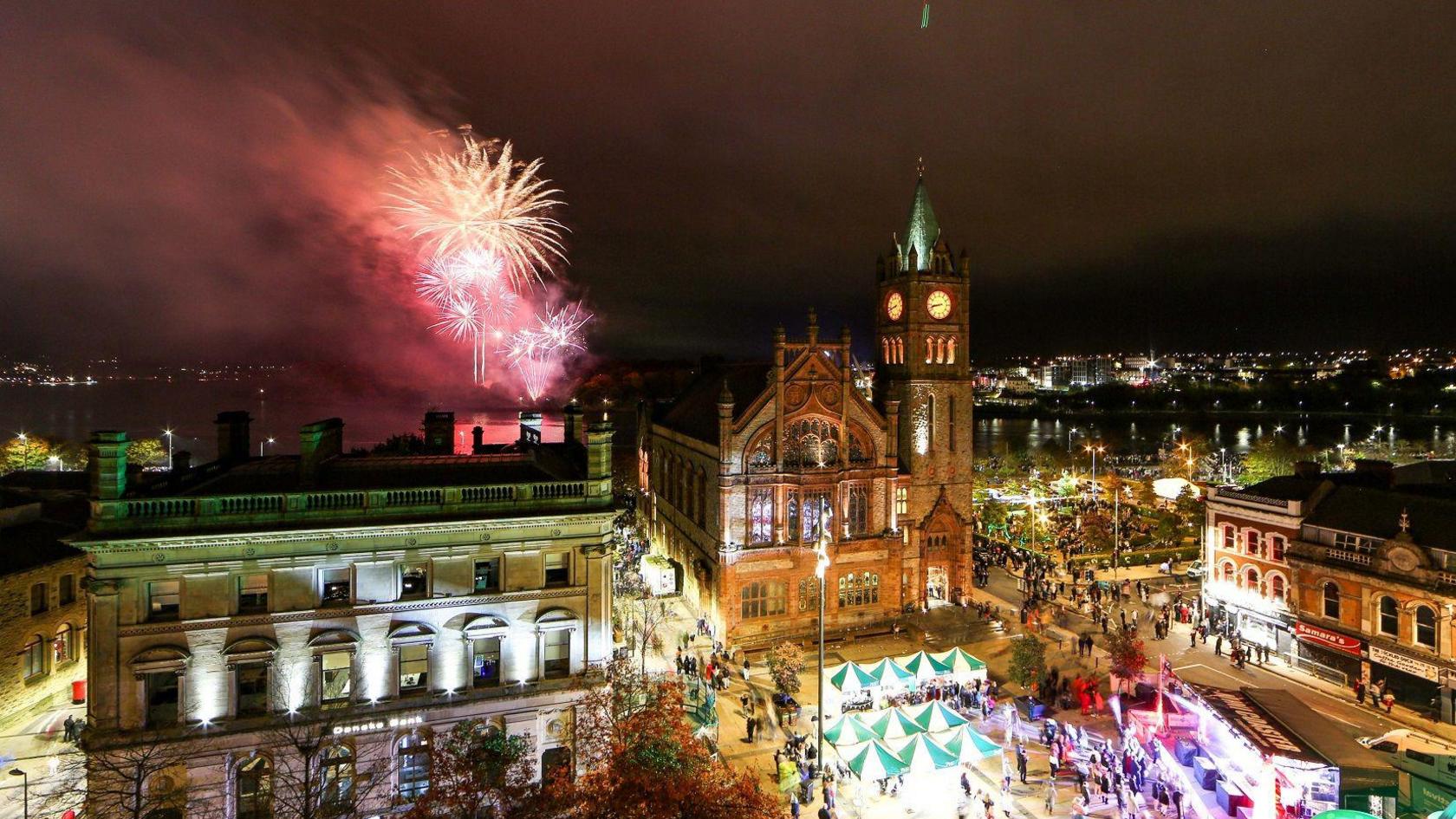
In Dublin, the Fringe Festival has animated venues and public spaces across the city, from the Project Arts Centre and the Smock Alley Theatre in the city centre to site-specific locations in Stoneybatter, Rathmines, and the Docklands. The festival's presence in neighbourhoods beyond the traditional cultural quarter has been welcomed by local communities and businesses, and has helped to build new audiences for live performance in parts of the city that are not always well-served by the mainstream arts infrastructure. The festival's education programme, which works with schools and community groups across Dublin, has also been a significant element of its community engagement.
What's Next
The Dublin Fringe Festival concludes this week, with the final performances taking place across the city on Wednesday and Thursday. The award-winning Hansel and Gretel production is expected to transfer to a longer run at a Dublin venue in the new year, following the interest generated by its Fringe success. The festival's artistic director has indicated that the 2027 programme will continue to prioritise international co-productions and site-specific work, and will include a new strand focused on climate and environmental themes. Applications for the 2027 programme will open in January.