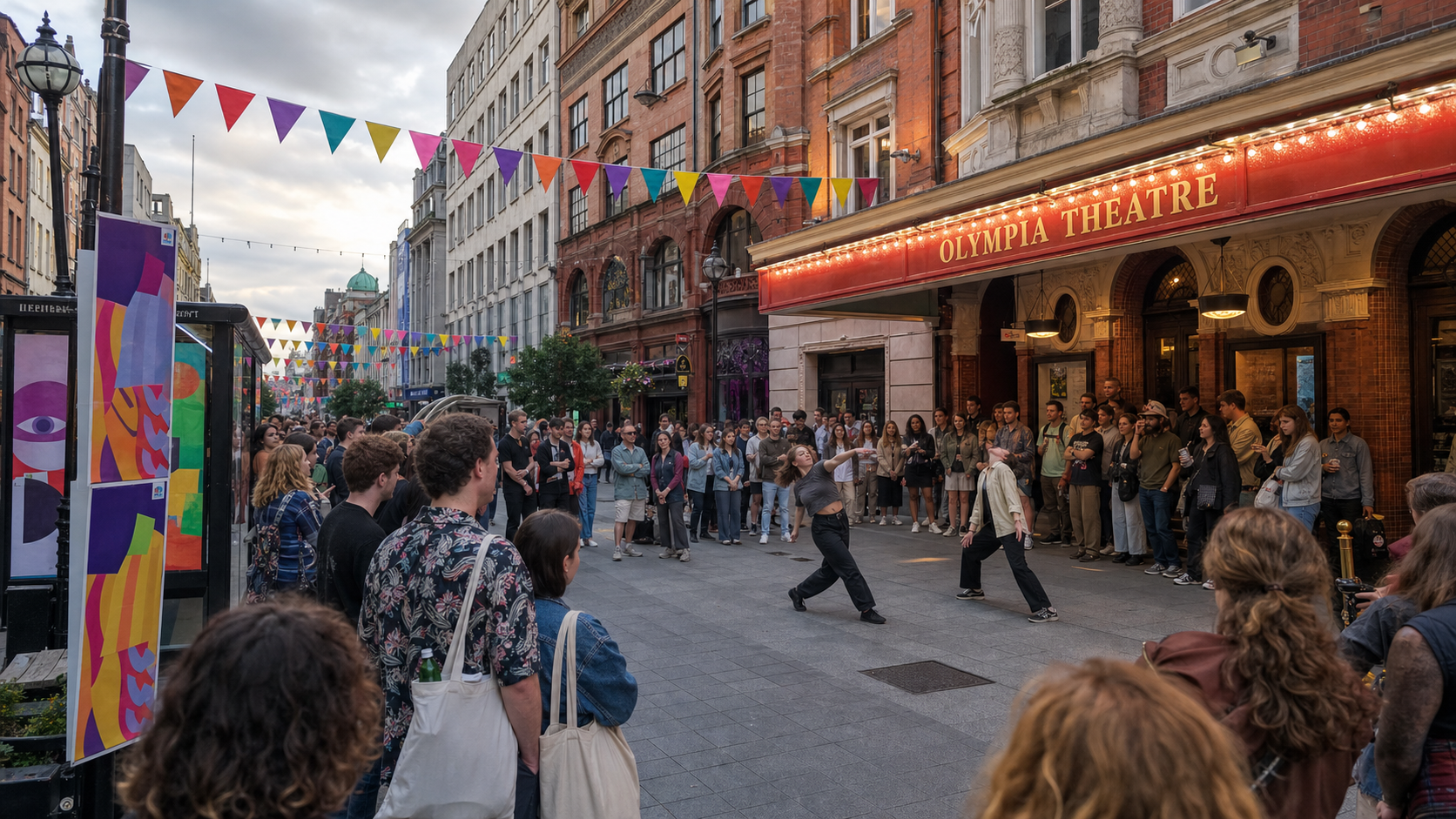
Dublin Fringe Festival 2026 Transforms Capital into Arts Hub as 32nd Edition Reaches Midpoint
The 32nd Dublin Fringe Festival is in full swing across the capital, with performances of contemporary theatre, electric dance, immersive installations, and live art taking place at venues ranging from the Abbey Theatre to pubs, parks, and public spaces across the city — a 16-day celebration of artistic risk and innovation that has established itself as one of the most important platforms for contemporary performance in Ireland and one of the defining cultural events of the Irish autumn.
Background
The Dublin Fringe Festival was founded in 1995 as an alternative to the more established Dublin Theatre Festival, providing a platform for work that was too experimental, too risky, or too unconventional for the mainstream theatre circuit. Over the past three decades, it has grown into one of the most significant arts festivals in Ireland, attracting audiences of tens of thousands and providing a launching pad for artists and companies who have gone on to achieve international recognition.
The festival's model — which combines a curated programme of invited work with an open access strand that allows any artist to apply to participate — has made it one of the most democratic and diverse arts events in the country. Unlike many festivals that are dominated by established names and institutions, the Fringe has always been a place where new voices can be heard and where artistic risk is celebrated rather than avoided. This ethos has made it a crucial part of the ecosystem that supports the development of Irish performance culture.
The 2026 edition, which runs from September 5 to September 20, is the 32nd instalment of the festival. It takes place against a backdrop of significant cultural activity in Dublin, with the city currently holding the EU Presidency and hosting a range of events under the Cultúr 2026 programme that is showcasing Irish arts and culture across Europe.
Key Developments
The 2026 Fringe programme features a wide range of work across multiple artforms. Theatre productions range from intimate one-person shows in pub back rooms to large-scale productions at the Project Arts Centre and the Abbey Theatre. Dance performances include both contemporary and traditional forms, with several works exploring the intersection between Irish traditional dance and contemporary movement practice. The immersive and installation strand has been particularly strong this year, with several works that blur the boundaries between performance, visual art, and audience participation.
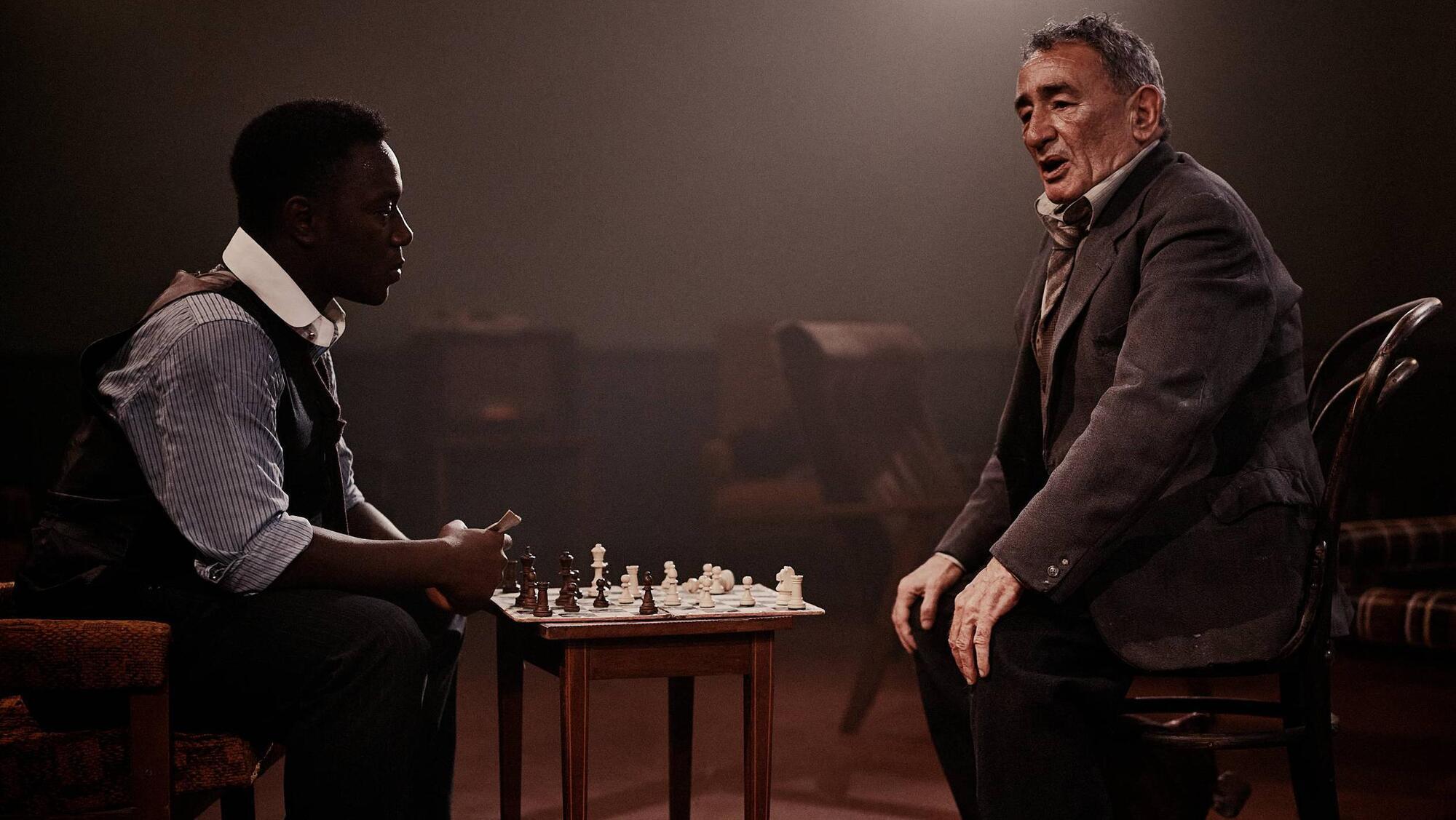
Among the highlights of the programme is a new production by Druid Theatre, which is touring an acclaimed staging of Eugene O'Neill's 'A Moon for the Misbegotten' — a work that resonates particularly strongly in the Irish context given O'Neill's Irish heritage and the play's exploration of guilt, redemption, and the weight of the past. The Gate Theatre is presenting 'Meredith', a new play by Erica Murray that has been described by early reviewers as one of the most exciting pieces of new Irish writing in recent years.
The festival's 'Project Fringe: After Dark' collaboration — which brings together artists from different disciplines for late-night performances at the Project Arts Centre — has been one of the most talked-about elements of the programme, with audiences responding enthusiastically to the energy and unpredictability of the format.
Why It Matters
The Dublin Fringe Festival matters for Irish culture for reasons that go beyond the individual performances it presents. It is one of the primary mechanisms through which new artistic talent is identified, supported, and brought to public attention in Ireland. Many of the most significant Irish theatre-makers, dancers, and performance artists of the past two decades — including Enda Walsh, Aisling Walsh, and numerous others — have had formative experiences at the Fringe, and the festival's role in nurturing the next generation of Irish artists is as important as its role in presenting finished work to audiences. The festival also matters as an economic driver for Dublin's cultural economy. The tens of thousands of audience members who attend Fringe events over the 16-day period generate significant spending in the city's restaurants, bars, and hotels, and the festival's presence in the cultural calendar is a significant factor in Dublin's attractiveness as a destination for cultural tourism.
Local Impact
The Fringe's impact is felt across Dublin's cultural geography, from the established theatre venues of the city centre to the community spaces, pubs, and public areas that host performances in every part of the capital. The festival's commitment to accessibility — including a range of free and low-cost events — ensures that it reaches audiences who might not otherwise engage with contemporary performance art. In communities across the city, from Ballymun to Ringsend and from Clontarf to Crumlin, the Fringe provides an opportunity for residents to encounter work that challenges, provokes, and inspires. The festival's FRINGE LAB, which operates as a year-round support system for artists, providing rehearsal space, mentorship, and professional development, is also a significant resource for the broader Dublin arts community.
What's Next
The Dublin Fringe Festival continues until Sunday, September 20, with a full programme of events across the city. The festival's closing weekend is expected to be particularly busy, with several of the most anticipated productions reaching their final performances. The festival will announce its awards — including the Fishamble New Writing Award and the Fringe First Award — at a ceremony on the final evening. Following the Fringe, Dublin's cultural calendar continues with the Dublin Theatre Festival, which opens in early October, and Culture Night, which takes place on September 19 and offers free access to cultural institutions across the country.