Dublin Airport Carbon Warning: Passenger Cap Removal Puts Climate Targets at Risk, Report Finds
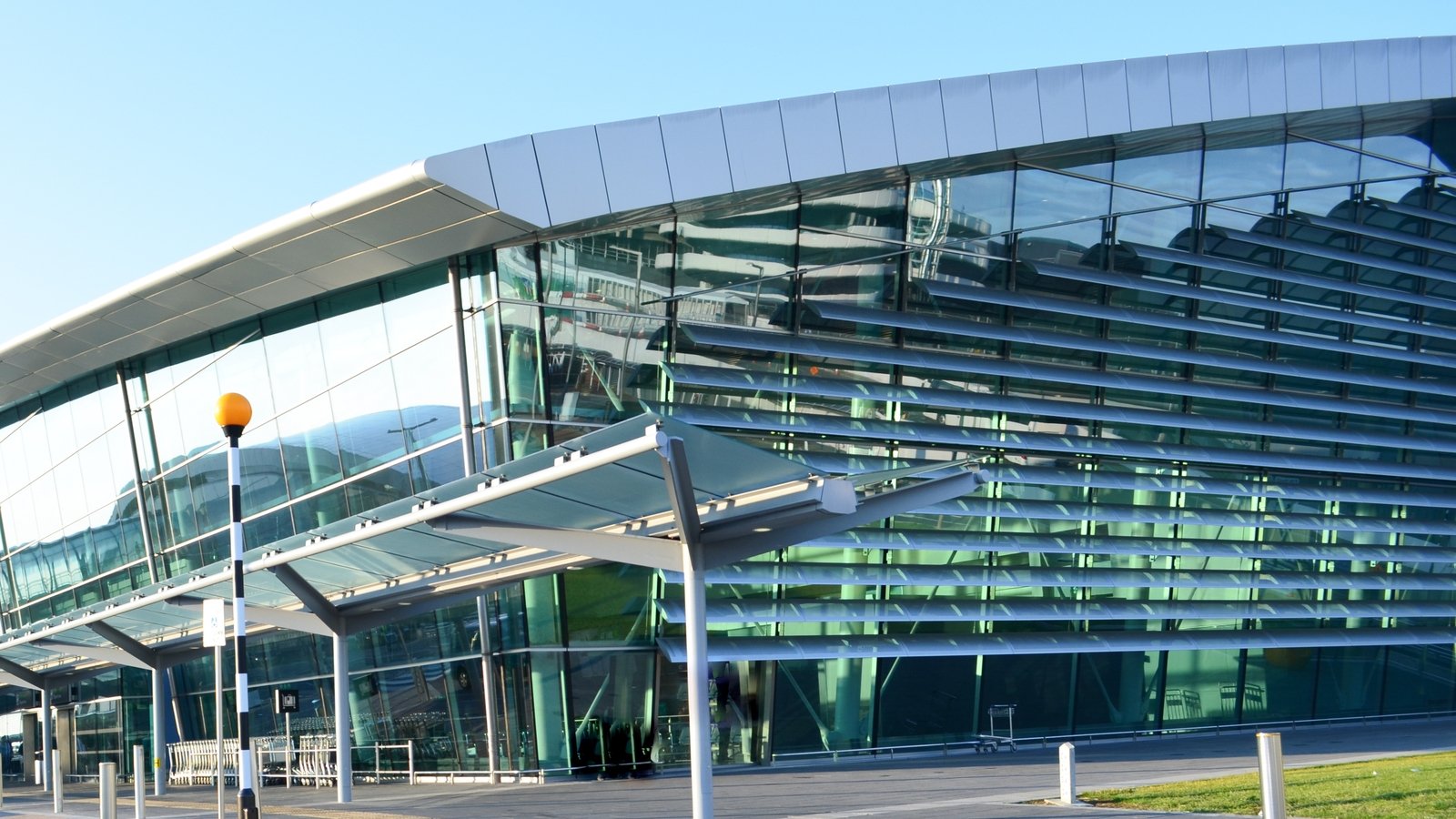
Dublin Airport is on course to burn through its entire remaining carbon budget by 2034 — sixteen years ahead of the 2050 climate target — according to a damning new analysis published on Tuesday by Transport & Environment and Opportunity Green, which warns that the Irish government's decision to remove the airport's 32-million annual passenger cap and legislate against future restrictions will generate emissions that no technological improvement can offset in time.
Background
Dublin Airport has been at the centre of a contentious planning and environmental debate for several years. The airport, which is operated by daa (Dublin Airport Authority), has been subject to a 32-million annual passenger cap since 2007, a condition attached to planning permission for the North Runway that was intended to limit the airport's environmental impact. The cap became increasingly controversial as passenger numbers recovered strongly after the pandemic, with daa arguing that it was preventing the airport from meeting demand and damaging Ireland's connectivity and economic competitiveness.
In 2025, the Irish government announced its intention to remove the passenger cap and legislate to prevent future caps being imposed on the airport. The decision was welcomed by the aviation industry and by business groups who argued that Dublin's status as a hub airport was essential to Ireland's export-oriented economy. It was strongly opposed by environmental groups, local residents, and climate scientists, who argued that unconstrained airport growth was incompatible with Ireland's legally binding climate commitments.
The report published on Tuesday — titled "Off Track: Reckless Expansion Plans Blow Past European Airports' Carbon Limits" — evaluates the climate impact of 20 major European airports and identifies Dublin as one of the worst performers in terms of alignment with climate targets. It is the most comprehensive analysis yet of the gap between Dublin Airport's growth trajectory and its climate obligations.
Key Developments
The report calculates that Dublin Airport's remaining "fair share" carbon budget — the amount of CO2 it can emit while maintaining a 67 per cent probability of limiting global warming to 1.7 degrees Celsius — is 27 million tonnes. Under current growth projections, the airport will exhaust this entire allocation by 2034, sixteen years before the 2050 target date.
If passenger numbers reach 40 million by 2030 and climb to 60 million by 2050 — as daa's own projections suggest — cumulative additional emissions compared to the capped scenario would reach 14 million tonnes of CO2. The report concludes that "no plausible tech improvement can close the gap in time," dismissing the aviation industry's reliance on sustainable aviation fuels and more efficient aircraft as insufficient to offset the emissions generated by increased traffic volume.
The environmental implications extend beyond the aviation sector. Because Dublin Airport's emissions are counted within Ireland's national carbon budget, an overshoot by the aviation sector will require deeper cuts in other domestic industries — agriculture, heating, manufacturing — to compensate. This creates a direct conflict between airport expansion and the government's commitments to farmers and households on the pace of decarbonisation.
Why It Matters
The Dublin Airport carbon debate is a microcosm of a broader tension in Irish climate policy between economic growth and environmental responsibility. Ireland has consistently struggled to meet its EU climate targets, and the Climate Action Plan 2024 acknowledged that the country was not on track to achieve the 51 per cent reduction in emissions required by 2030. Against that backdrop, a decision to allow unconstrained growth in one of the most carbon-intensive sectors of the economy sends a contradictory signal about the government's commitment to its own targets.
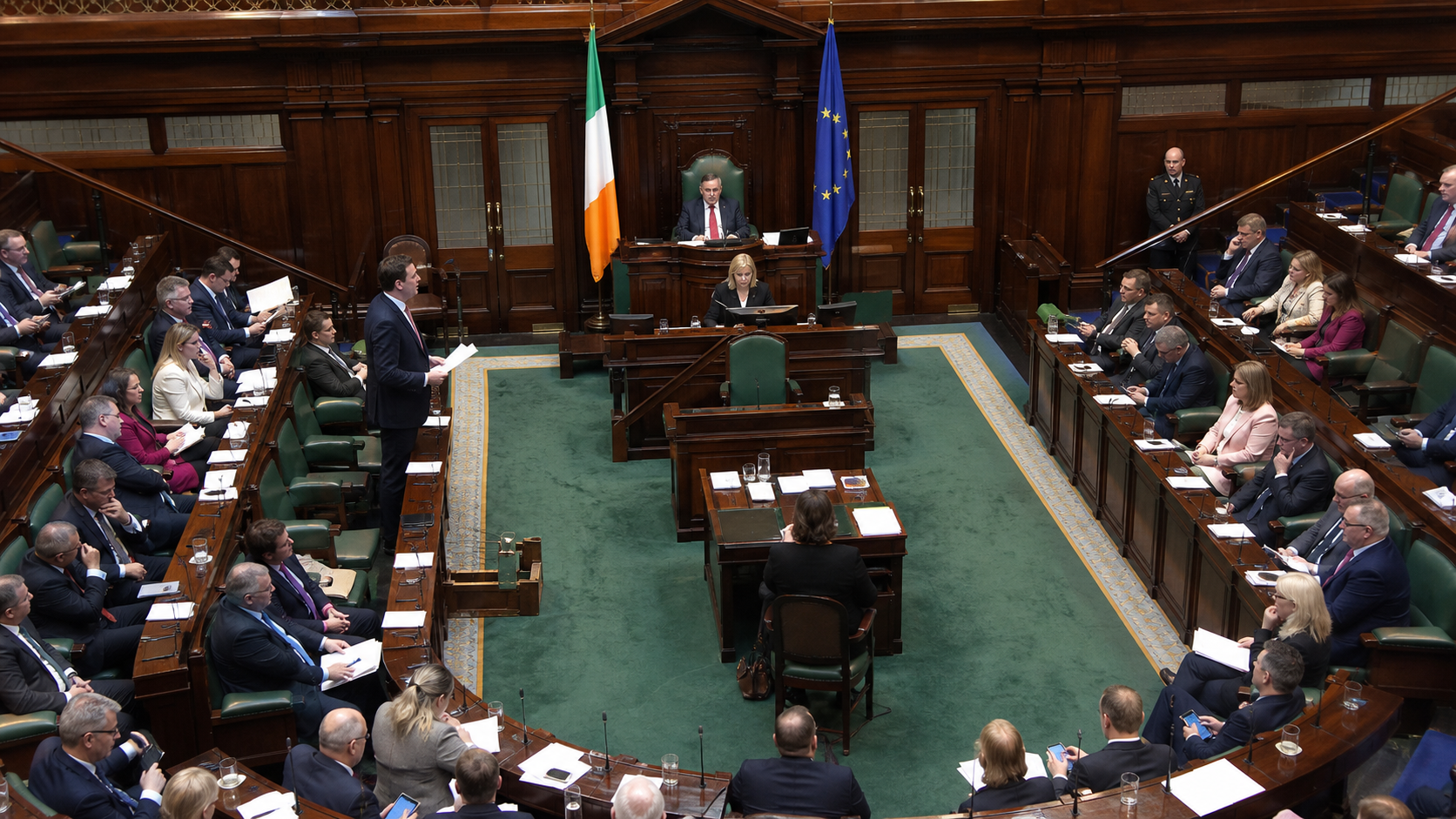
The timing is particularly awkward given that Ireland currently holds the Presidency of the Council of the European Union, a role that carries an expectation of leadership on climate issues. Environmental advocates have pointed out the irony of Ireland championing EU climate ambition in Brussels while simultaneously legislating to remove environmental constraints on its own airport.
The report's finding that Dublin Airport's emissions will affect other sectors' decarbonisation pathways is significant. It means that the decision to remove the passenger cap is not simply an aviation policy choice — it has direct implications for farmers, homeowners, and businesses across Ireland who will face pressure to cut their own emissions more deeply to compensate for the airport's growth.
Local Impact
For communities in the Fingal area of north County Dublin — Swords, Malahide, Portmarnock, and the villages along the flight path — the prospect of significantly increased passenger numbers raises concerns about noise, air quality, and the pace of local development. Fingal County Council has been engaged in ongoing discussions with daa about mitigation measures, but residents' groups have argued that the removal of the passenger cap fundamentally changes the terms of the planning permission under which the North Runway was built.
The MetroLink project, which will connect Dublin Airport to the city centre by underground rail, is expected to reduce the proportion of passengers arriving by car — currently around 40 per cent — and thereby reduce some of the surface transport emissions associated with the airport. However, the report notes that this improvement is insufficient to offset the emissions from increased air traffic.
What's Next
The government is expected to respond to the report's findings through the Department of Transport, which has been asked to commission an independent assessment of the airport's emissions trajectory. The Climate Action Committee of the Oireachtas has requested that the Minister for Transport appear before it to address the report's findings before the end of September. Environmental groups have indicated that they are considering legal challenges to the legislation removing the passenger cap, on the grounds that it is incompatible with Ireland's climate obligations under EU law.