Drug Gangs Targeting Rural NI Communities as UUP Warns of Cross-Border Mule Networks and Sports Club Grooming
Organised drug gangs are deliberately targeting rural Northern Ireland communities, coercing vulnerable older men into acting as cross-border drug mules and using local sports clubs to groom young people into substance abuse, Ulster Unionist Party Deputy Leader Diana Armstrong has warned. The MLA, speaking during Rural Crime Week 2026, cited a Public Health Agency report and called for urgent action from the Justice Minister, including the establishment of a dedicated rural crime task force.
Background
Rural crime in Northern Ireland has long been associated in the public mind with agricultural theft — machinery, livestock, and fuel. But a Public Health Agency report published in October 2025 documented a more insidious and organised threat: criminal networks that have identified the dispersed, relatively unmonitored nature of rural communities as an opportunity to expand their drug distribution operations and exploit vulnerable individuals in ways that would be more difficult in urban settings.
The report's findings have been slow to translate into the kind of political and policing response that Armstrong and other rural representatives believe is necessary. The UUP deputy leader has been pressing the Justice Minister for updates on what actions have been taken since the report's publication, and her frustration at the pace of the response has been evident in recent weeks. Rural Crime Week 2026, which brought together the PSNI and partner agencies to highlight the range of criminal activity affecting rural communities, provided a platform for Armstrong to escalate her concerns.
The cross-border dimension of the drug networks identified in the PHA report adds a layer of complexity to the policing challenge. Criminal gangs operating across the border between Northern Ireland and the Republic have long exploited the jurisdictional boundary to complicate law enforcement efforts, and the use of rural routes and vulnerable couriers represents a deliberate strategy to reduce the risk of detection.
Key Developments
Armstrong's intervention on Friday focused on two specific tactics identified in the PHA report. The first involves the targeting of older, vulnerable men in rural areas — particularly in County Fermanagh — who are pressured and intimidated into transporting drugs across the border by bus. These individuals are selected precisely because they are considered unlikely drug couriers by law enforcement, making them harder to identify and intercept. Families of those targeted have described the intimidation as relentless, with threats continuing even after initial debts are paid.
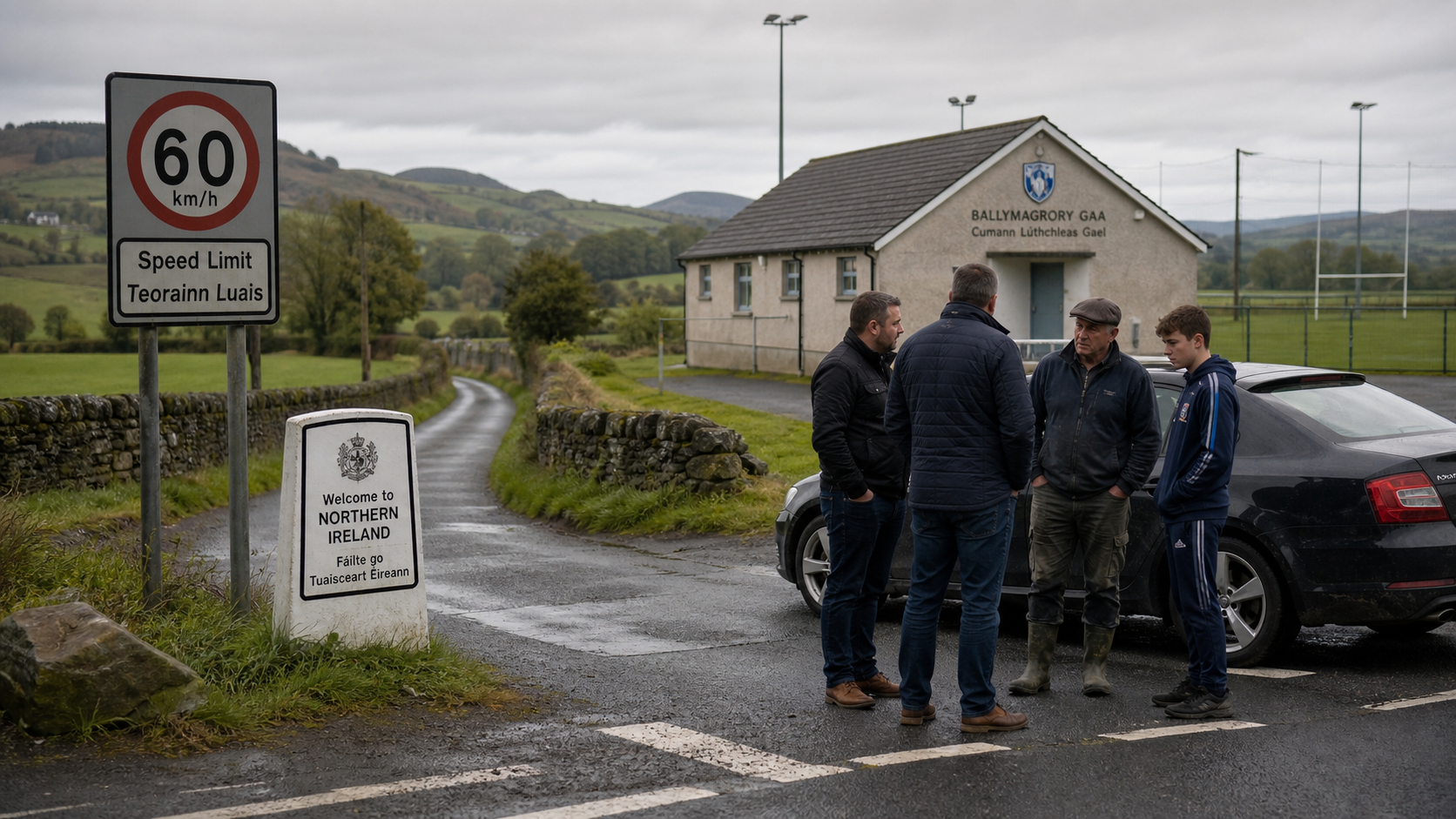
The second tactic involves the use of rural sports clubs as recruitment grounds for young people. Gangs have been observed making contact with young people through club environments, introducing them to cocaine, cannabis, pregabalin, and ketamine, and gradually drawing them into dependency and, in some cases, distribution. The exploitation of the trust and community bonds that characterise rural sports clubs makes this approach particularly damaging, both to the individuals targeted and to the clubs themselves.
Armstrong called on the Justice Minister to provide a detailed account of what actions have been taken since the PHA report was published, to clarify how cross-border drug activity is being monitored, and to consider establishing a dedicated rural crime task force. She also called for a support route for families facing intimidation, similar to systems that exist in the Republic of Ireland. The PSNI, through Detective Superintendent Paul Woods of the Organised Crime Branch, confirmed that it works with An Garda Síochána, the National Crime Agency, HMRC, and the Department of Justice to disrupt supply lines, but acknowledged that the challenge is significant.
Why It Matters
The targeting of rural communities by organised drug gangs represents a qualitative shift in the nature of the threat facing those areas. For decades, rural crime in Northern Ireland was primarily a property crime problem — serious and costly, but not typically involving the kind of personal coercion and exploitation now being documented. The use of vulnerable older men as drug mules and the grooming of young people through sports clubs are tactics that cause lasting harm to individuals and communities, and they require a response that goes beyond traditional rural policing.
The reduction in neighbourhood policing resources in border areas, which Armstrong highlighted in her intervention, is a particular concern. These are precisely the communities where local knowledge and community trust are most important for effective policing, and where the withdrawal of visible police presence creates the space that criminal networks exploit. The comparison with the Republic of Ireland's support systems for families facing intimidation is also instructive — Northern Ireland's response to this specific form of organised crime appears to lag behind what is available south of the border.
Local Impact
The communities most directly affected by the drug gang activity described in the PHA report are in the rural border counties — Fermanagh, Tyrone, and Armagh — where the combination of geographic isolation, reduced policing resources, and proximity to the border creates conditions that criminal networks have learned to exploit. Farming families in these areas have described the fear and shame associated with having a family member targeted by gangs, and the financial consequences of being coerced into settling drug debts have in some cases involved the sale of land and livestock that represent generations of family investment. Sports clubs in these areas, which are often the social heart of small rural communities, have been placed in an impossible position by the exploitation of their environments for criminal recruitment.
What's Next
Armstrong has indicated she will continue to press the Justice Minister for a formal response to the PHA report's findings and for specific commitments on the establishment of a rural crime task force. The PSNI has said it will provide further information on its Rural Crime Week activities and the outcomes of recent operations targeting drug supply networks in rural areas. The cross-border dimension of the issue is expected to feature in discussions between the Northern Ireland Executive and the Irish government at the next North-South Ministerial Council meeting.