Domhnall Gleeson Says Life in Ireland 'Means Too Much' as Actor Reflects on Career and Commitment to Home
Actor Domhnall Gleeson has spoken with characteristic candour about his decision to remain based in Ireland despite the demands of an international career that has taken him from the Star Wars franchise to Taylor Swift music videos, telling the Irish Times in an interview published this weekend that his life in Ireland 'means too much to me' and that choosing to live at home is 'no sacrifice' — a statement of values that reflects the particular relationship that many Irish artists have with their home country, regardless of where their work takes them.
Background
Domhnall Gleeson is one of the most accomplished Irish actors of his generation, with a career that spans independent Irish cinema, major Hollywood franchises, and prestige television. The son of Brendan Gleeson, he grew up in a household where acting was a serious profession rather than a glamorous aspiration, and his approach to his career has always reflected that grounded perspective. He has spoken in previous interviews about his discomfort with celebrity culture and his preference for the kind of normal life — a pint with friends, a walk in the city — that his fame might otherwise make difficult.
Gleeson's career has taken him to the highest levels of the film industry. His roles in the Star Wars sequel trilogy, the Harry Potter series, and films like Ex Machina, Brooklyn, and About Time have made him one of the most recognisable Irish faces in international cinema. Yet throughout this period of success, he has maintained his base in Ireland, a decision that he has described as fundamental to his sense of self and to his ability to do his best work.
The 2026 interview with the Irish Times comes at a particularly busy period in Gleeson's career. His starring role as Ned Sampson in the Peacock mockumentary series The Paper — a show about the staff of a struggling midwestern American newspaper, created by Greg Daniels of The Office fame — has been renewed for a second season, and he is involved in several film projects including Werner Herzog's Bucking Fastards and the Sundance feature The Incomer. Earlier in the year, he appeared in Taylor Swift's music video for the song Opalite, an opportunity that arose from a lighthearted comment he made on The Graham Norton Show in 2025.
Key Developments
In the Irish Times interview, Gleeson reflected on the relationship between his Irish identity and his work. He described Ireland as a place that grounds him and gives him the perspective he needs to approach his roles with authenticity. His comment that living in Ireland is 'no sacrifice' is a deliberate pushback against the assumption that a successful international actor must inevitably relocate to Los Angeles or London — an assumption that he clearly finds both irritating and inaccurate.
Gleeson also discussed The Paper, which has been praised by critics for its affectionate but unsentimental portrayal of the newspaper industry. The show's second season, which was filmed at the Los Angeles Times offices in El Segundo, is expected to deepen the characters and to explore the tensions between the idealism of journalism and the commercial realities of the modern media landscape. Gleeson has spoken of his admiration for journalists and his concern about the shrinking physical footprint of modern newsrooms.
The Taylor Swift music video collaboration, which generated enormous media attention when it was released in February 2026, was described by Gleeson as a 'once-in-a-lifetime experience'. The dance number he performed with Swift was, he said, both terrifying and exhilarating — a description that will resonate with anyone who has seen the video and appreciated the commitment he brought to a role that was very different from his usual dramatic work.
Why It Matters
Gleeson's commitment to remaining based in Ireland matters because it challenges a narrative that has sometimes suggested that Irish artistic talent must inevitably leave home to achieve its full potential. The history of Irish emigration — including the emigration of artists and writers who felt that Ireland was too small, too conservative, or too limiting for their ambitions — is a long and complex one. Gleeson's decision to stay, and his articulation of why he stays, is a statement about the Ireland of 2026 that is worth taking seriously.
The Ireland that Gleeson describes — a place where his life 'means too much' to leave — is a country that has changed dramatically in the past three decades. The social conservatism that drove many artists abroad in previous generations has been replaced by a more open and diverse culture, and the creative infrastructure that supports Irish film, theatre, and television has developed significantly. Gleeson's ability to maintain a base in Ireland while pursuing an international career reflects both his own choices and the changed conditions that make those choices possible.
For younger Irish actors and artists who are navigating the same questions about home and ambition, Gleeson's example is a significant one. His success demonstrates that it is possible to achieve the highest levels of international recognition without abandoning the roots that give your work its distinctive character.
Local Impact
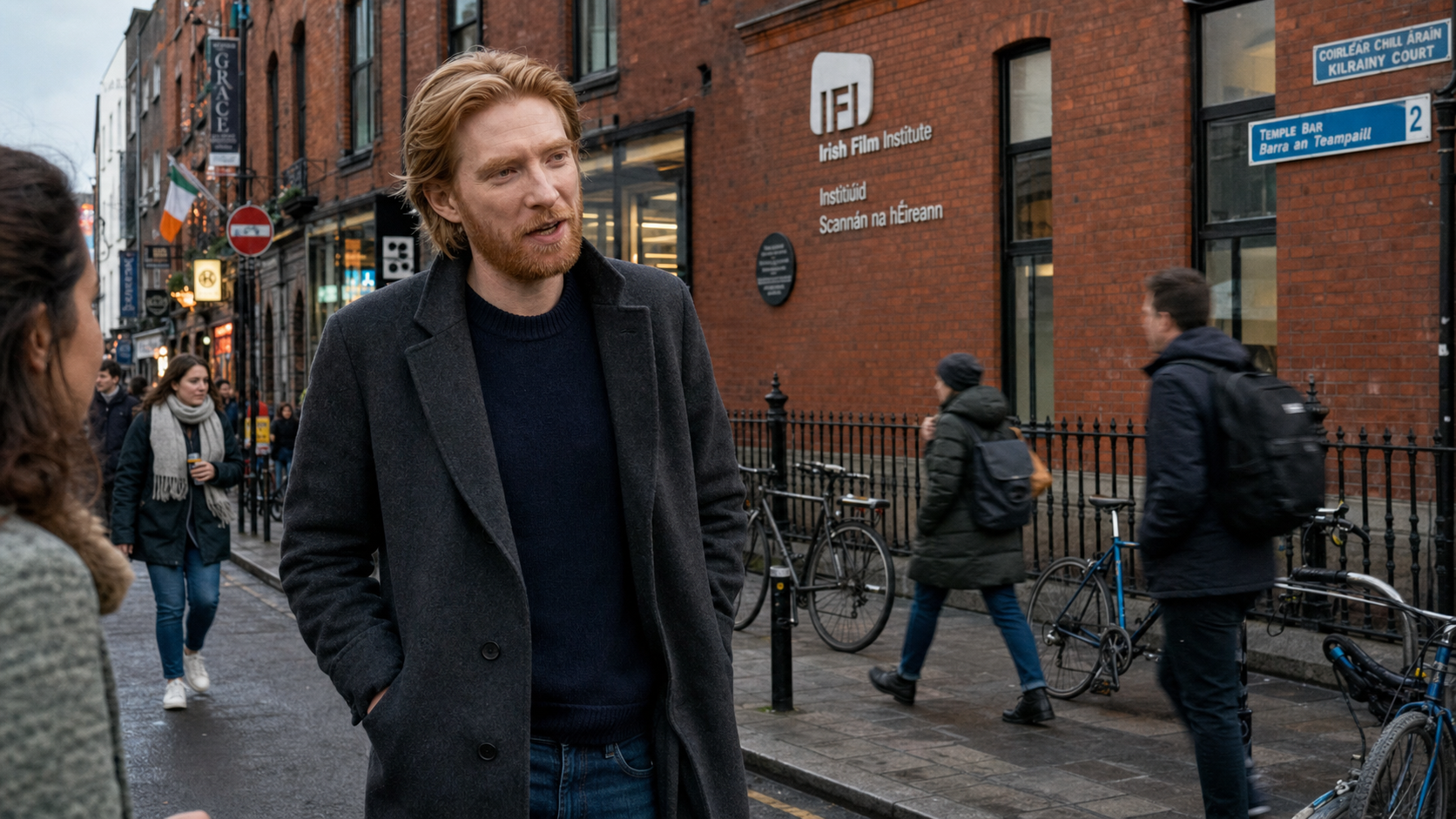
In Dublin, where Gleeson is a familiar figure in the city's cultural life, the interview was received with the warmth that the city reserves for its own. The Irish film industry, which has produced a remarkable number of internationally successful actors, directors, and writers in recent years, pointed to Gleeson's comments as evidence of the strength of the creative ecosystem that has developed in Ireland. Screen Ireland, the state body that supports Irish film and television production, noted that Gleeson's continued engagement with Irish projects — including his involvement in Irish-language and independent productions alongside his Hollywood work — is a model for how international success and domestic commitment can coexist.
The Abbey Theatre and other major Irish cultural institutions have also benefited from Gleeson's willingness to engage with Irish cultural life, and his presence in the country is a reminder that the arts ecosystem depends on the participation of its most successful practitioners as well as its emerging talents.
What's Next
The second season of The Paper is expected to air on Peacock in 2027, with production having recently concluded. Gleeson's film projects — including the Herzog collaboration and The Incomer — are at various stages of post-production and are expected to appear on the festival circuit in the coming year. In Ireland, Gleeson is expected to continue his engagement with the domestic cultural scene, and there has been speculation about a possible return to the stage, where he has not appeared since his early career. The Irish Times interview suggests that whatever his next project, it will be approached with the same thoughtfulness and commitment to craft that has characterised his career to date.