Diesel Nears £2 a Litre in Northern Ireland as Iran War Pushes Fuel Costs to Record High
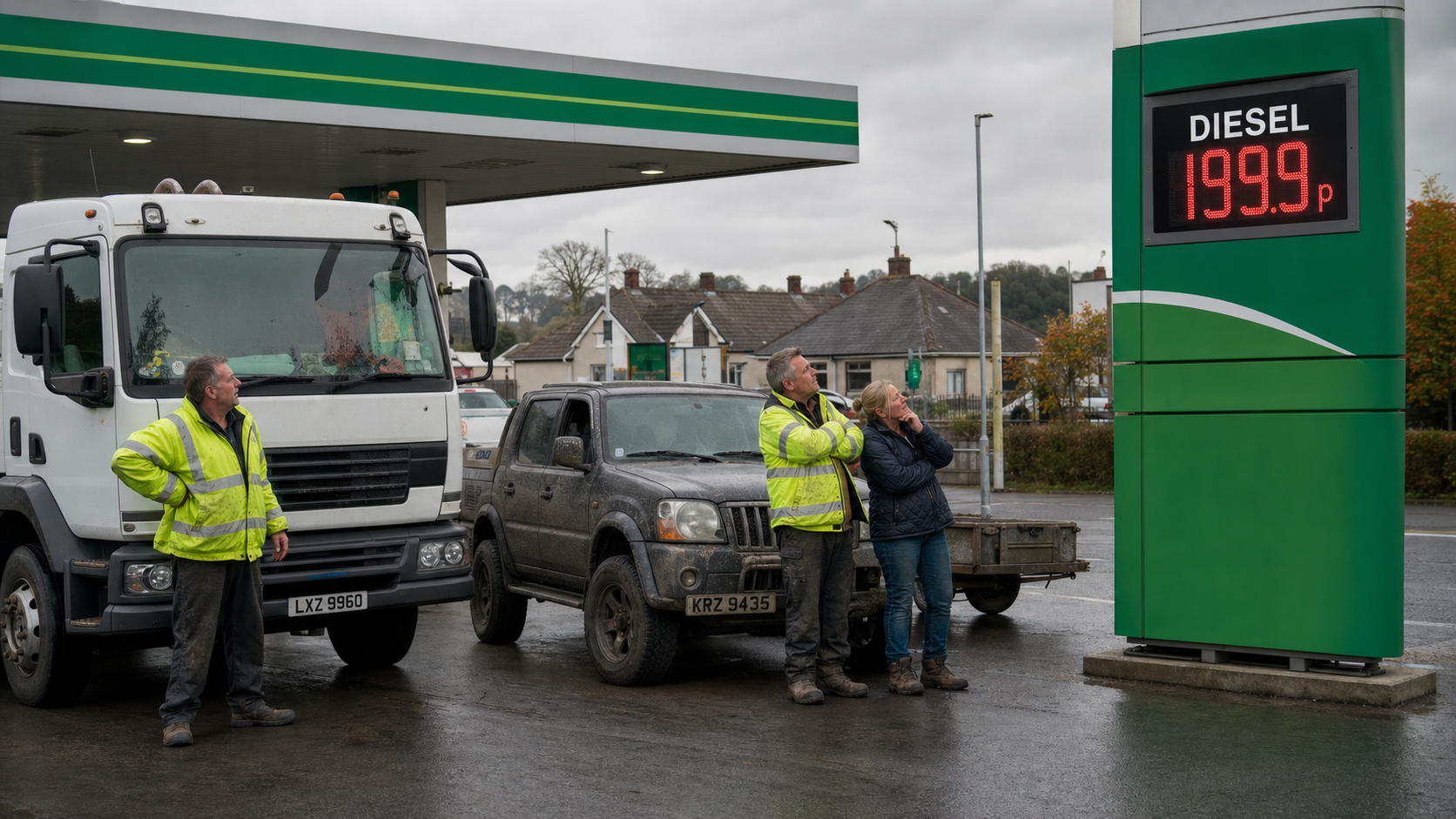
Diesel prices in Northern Ireland are approaching £2 per litre, reaching their highest level since the outbreak of the Iran war, as the ongoing conflict continues to drive global oil prices to levels not seen in years — with Alliance and DUP politicians joining a growing chorus of demands for fuel tax cuts and hauliers warning that the price surge is threatening the viability of businesses across the province.
Background
Northern Ireland's fuel market has always been sensitive to global oil price movements, but the province's particular geography — its dependence on road transport, the absence of a significant rail freight network, and the long distances between rural communities and urban centres — makes it especially vulnerable to sustained price increases. Diesel is not merely a fuel for private motorists in Northern Ireland; it is the lifeblood of the agricultural sector, the haulage industry, and the heating systems of thousands of rural homes that have no access to the natural gas network.
The Iran war, which began in 2025, has been the primary driver of the current price surge. The conflict has disrupted oil production and shipping routes in the Persian Gulf, reducing global supply and pushing up the price of crude oil on international markets. The impact has been felt across the UK and Ireland, but Northern Ireland has been particularly hard hit because of its higher proportion of diesel-powered vehicles and its greater dependence on heating oil for domestic warmth.
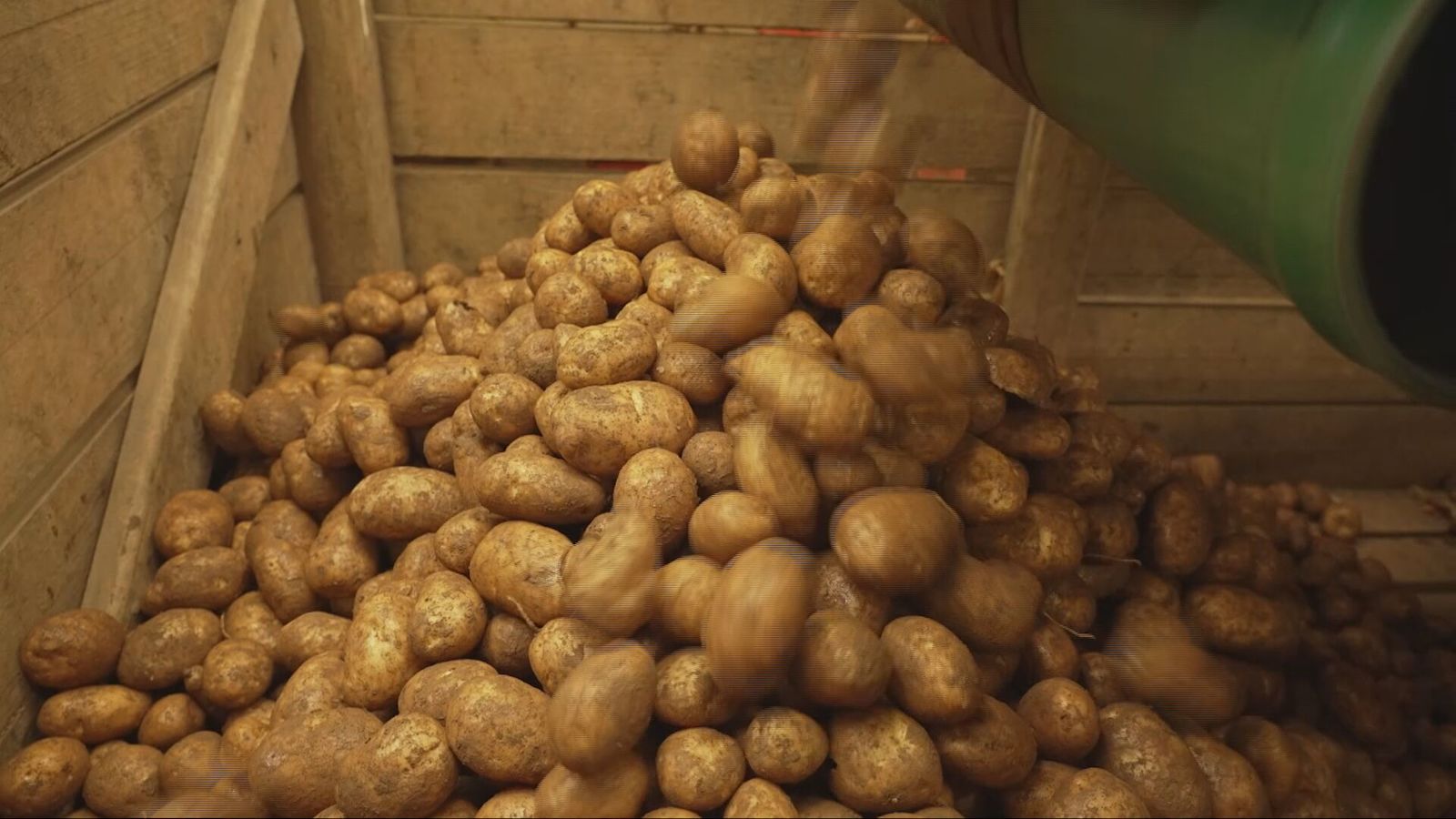
The Collapse of Glens of Antrim Potatoes Ltd, announced earlier this week, has added to the sense of economic pressure in rural Northern Ireland, with the company's failure attributed in part to the rising cost of diesel for its fleet of agricultural vehicles and delivery lorries. The closure has caused redundancies and dealt a blow to potato farmers across the Glens of Antrim who supplied the company.
Key Developments
Forecourt prices for diesel in Northern Ireland have risen to levels approaching £2 per litre at many filling stations, with some rural locations already exceeding that threshold. The price represents the highest level recorded since the Iran war began and is significantly above the UK average, reflecting the additional transport costs involved in supplying fuel to Northern Ireland's more dispersed population centres.
Alliance and DUP politicians have both spoken out in favour of fuel tax cuts, marking an unusual moment of cross-community agreement on an economic issue. Alliance's economy spokesperson called for the UK government to reduce fuel duty as a matter of urgency, arguing that the current price levels were causing genuine hardship for families and businesses across Northern Ireland. The DUP's finance spokesperson echoed the call, noting that Northern Ireland's particular dependence on diesel made the province disproportionately affected by the price surge.
Haulage companies operating in Northern Ireland have warned that the price of diesel is threatening the viability of their businesses, with some operators reporting that fuel now accounts for more than 40% of their operating costs. The Road Haulage Association has called for an emergency meeting with the Northern Ireland Executive to discuss the crisis, arguing that without intervention, some smaller operators will be forced to cease trading.
Why It Matters
The diesel price crisis matters because it has a cascading effect on the cost of almost everything in Northern Ireland. Haulage costs feed directly into the price of food, building materials, and consumer goods, and sustained high fuel prices will inevitably push up inflation across the province. For rural communities that depend on heating oil — which is priced in line with diesel — the impact is even more direct, with many households facing significantly higher heating bills as winter approaches. The timing is particularly difficult, coming as it does against a backdrop of the Drumcree political crisis and the broader economic uncertainty generated by the Iran war.
The cross-party calls for fuel tax cuts reflect the political sensitivity of the issue. Fuel duty is a reserved matter, meaning that the Northern Ireland Executive has no direct power to reduce it — any cut would have to come from Westminster. The UK government has so far resisted calls for a reduction, arguing that fuel duty cuts are expensive and regressive. But the pressure from Northern Ireland politicians of all parties is likely to intensify as prices continue to rise.
Local Impact
In rural areas of Northern Ireland — particularly in counties Fermanagh, Tyrone, and Armagh, where distances are long and public transport options are limited — the diesel price surge is causing real hardship. Farmers who depend on diesel for their tractors and machinery are seeing their operating costs rise sharply, squeezing margins that were already tight. Families in rural areas who heat their homes with oil are facing bills that are significantly higher than last year. In towns and cities, the impact is felt through higher prices in shops and restaurants, as businesses pass on their increased transport costs to consumers. The Western Health and Social Care Trust has also flagged concerns about the impact of fuel costs on community health services, which rely on staff travelling to patients' homes across a large and dispersed geographical area.
What's Next
The Northern Ireland Executive is expected to write to the UK government requesting an emergency review of fuel duty levels. The Road Haulage Association has scheduled a meeting with the Department for the Economy to discuss the crisis. Met Éireann and the UK Met Office have forecast a colder-than-average winter, which will increase demand for heating oil and put further upward pressure on prices. The situation in Iran shows no sign of resolution, and analysts have warned that oil prices could rise further if the conflict escalates or spreads to other oil-producing regions.