Daniel Kinahan Loses Final Appeal Against Extradition as Return to Ireland Moves Closer
Daniel Kinahan, identified by law enforcement agencies on both sides of the Atlantic as a senior leader of the Kinahan Organised Crime Group, has lost his final appeal against extradition from the United Arab Emirates to Ireland, according to RTÉ News. The ruling by a UAE higher court on Wednesday clears the path for Kinahan's return to face trial at the Special Criminal Court in Dublin, where he is expected to face charges under Section 71A of the Criminal Justice Act 2006 for directing the activities of a criminal organisation. Irish authorities expect the handover to occur within approximately six weeks.
Background
Daniel Kinahan was arrested in Dubai on April 17, 2026, following the issuance of an Irish arrest warrant and the activation of a bilateral extradition agreement between Ireland and the UAE — a framework that had been years in the making and represented a significant diplomatic achievement for the Irish government. The arrest came more than a decade after Kinahan first came to the attention of law enforcement agencies in Ireland and internationally, and followed a period during which he had operated with apparent impunity from Dubai, where he had established himself as a prominent figure in the boxing world while allegedly continuing to direct the activities of the criminal organisation that bears his family's name.
The Kinahan Organised Crime Group has been linked by law enforcement agencies to drug trafficking, money laundering, and a series of murders in Ireland and abroad. The group's feud with the Hutch family resulted in a wave of killings in Dublin and Lanzarote between 2015 and 2018 that shocked the country and prompted a significant escalation in the resources devoted to organised crime investigation by An Garda Síochána. The US Treasury Department designated Kinahan and several associates as significant transnational criminal organisation members in 2022, imposing sanctions that effectively ended his involvement in the boxing world.
The extradition of Kinahan's associate Sean McGovern, who was arrested in Dubai in October 2024 and extradited to Ireland in May 2025, provided a procedural template for the current case. McGovern was subsequently convicted and sentenced to 24 years in prison by the Special Criminal Court in June 2026, a result that demonstrated the effectiveness of the Ireland-UAE extradition framework and the capacity of the Irish justice system to prosecute complex organised crime cases.
Key Developments
Following his arrest in April, Kinahan initiated a legal challenge against the extradition request, contesting the process through multiple stages of the UAE court system. An initial appeal against his surrender was dismissed, and he subsequently lodged a final appeal with a higher court. That appeal was rejected on Wednesday, exhausting all legal avenues available to him in the UAE. With the court process concluded, his extradition is now considered a formality, pending the completion of administrative arrangements between the Irish and UAE authorities.
Irish officials, including the Garda Commissioner and the Minister for Justice, have emphasised that the case demonstrates that those accused of serious crimes cannot evade trial by relocating to other jurisdictions. The Garda Síochána and the Defence Forces are finalising preparations for Kinahan's return, which is expected to involve significant security arrangements given the profile of the individual and the nature of the charges he faces.
Why It Matters
The imminent extradition of Daniel Kinahan represents a watershed moment in Ireland's long struggle against organised crime. For years, the Kinahan organisation operated with a degree of impunity that was deeply damaging to public confidence in the justice system, and the perception that senior figures in the criminal world could insulate themselves from prosecution by relocating abroad was corrosive. The successful activation of the Ireland-UAE extradition agreement, and the prospect of Kinahan facing trial in Dublin, sends a clear message that the reach of Irish law enforcement has extended significantly. It also reflects the sustained investment in international cooperation that has been a feature of Garda strategy in recent years, and the diplomatic work that went into securing the extradition framework with the UAE.
Local Impact
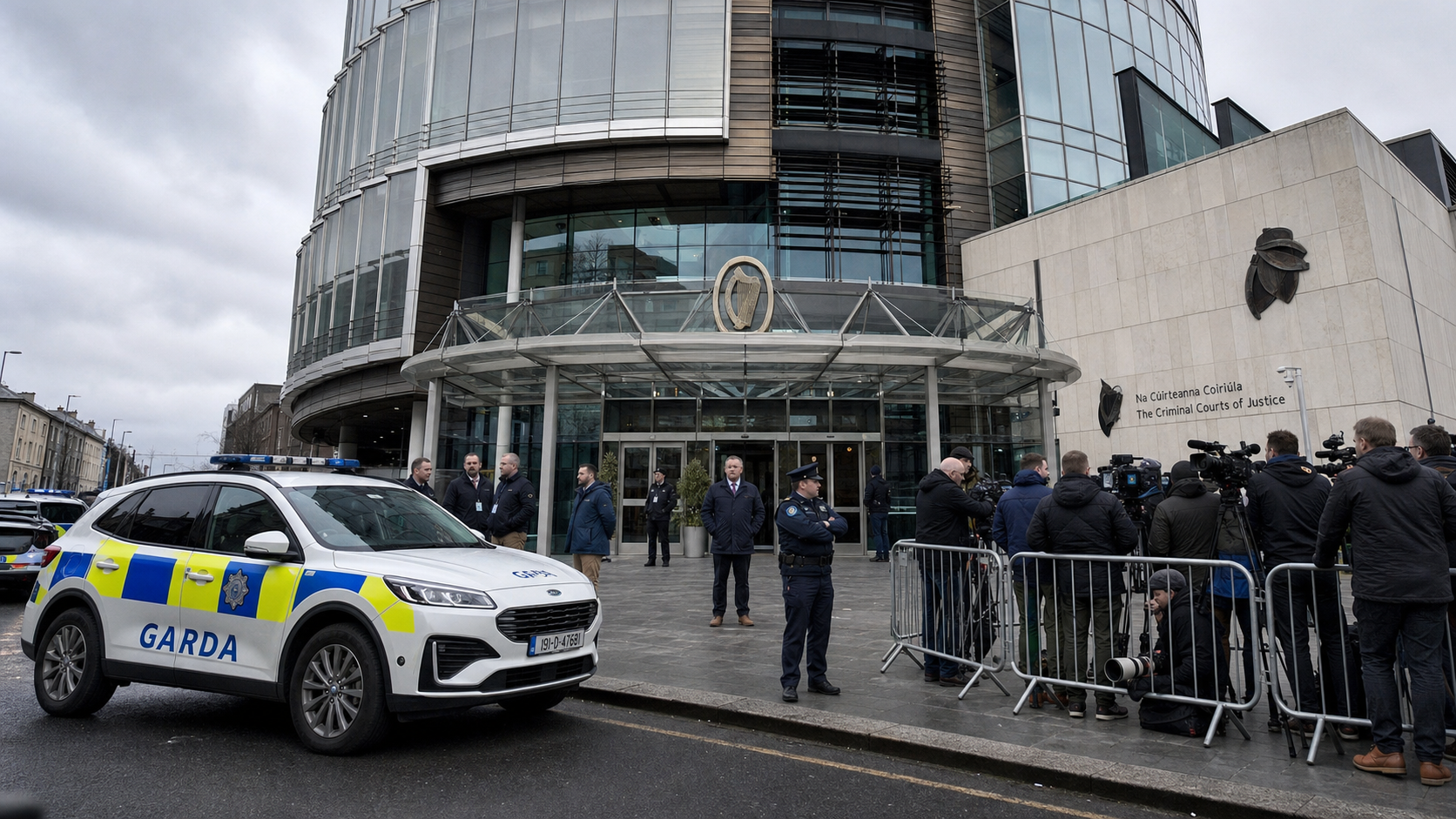
In Dublin, where the Kinahan-Hutch feud claimed multiple lives and left communities in north and south of the city living in fear, the news of Kinahan's failed appeal was greeted with cautious satisfaction. Families of victims of the feud, who have waited years for accountability, expressed hope that the trial would provide some measure of justice. The Special Criminal Court, which sits without a jury and handles the most serious organised crime and terrorism cases, is well equipped to manage a prosecution of this complexity. The Garda National Drugs and Organised Crime Bureau, which has led the investigation into the Kinahan organisation, is expected to play a central role in the prosecution.
What's Next
The handover of Kinahan from UAE authorities to Irish law enforcement is expected within approximately six weeks, subject to the completion of administrative arrangements. Once in Ireland, he will be held in custody pending trial. The Director of Public Prosecutions will confirm the charges he faces, which are expected to include directing the activities of a criminal organisation under the Criminal Justice Act 2006. The trial, when it takes place, is likely to be one of the most significant organised crime prosecutions in the history of the Irish state.