Kinahan Extradition Imminent as Dubai Legal Appeals Exhausted and Security Operation Finalised
Daniel Kinahan, the 49-year-old alleged leader of the Kinahan organised crime cartel, is expected to be extradited from Dubai to Ireland within days after exhausting his legal options in the United Arab Emirates, with a major security operation being coordinated between the Gardaí, the Defence Forces, and the Irish Prison Service ahead of what would be one of the most significant law enforcement operations in the history of the State.
Sources familiar with the extradition process have indicated that Kinahan could be returned to Ireland as early as the weekend of August 9 to 10, or shortly thereafter, following the disposal of his final appeal in Dubai in early August. Air Corps personnel are expected to fly to Dubai to collect Kinahan and transport him to Casement Aerodrome in Baldonnel, County Dublin, where he will be met by a Garda escort.
Background
Daniel Kinahan has been a primary target for Irish law enforcement for more than a decade. He is alleged to be a central figure in a "super cartel" that controls a significant portion of Europe's cocaine supply, with operations spanning multiple continents and connections to criminal networks across the globe. He has been living openly in Dubai since approximately 2017, having left Ireland following the Regency Hotel attack in February 2016, which marked the beginning of a bloody feud between the Kinahan cartel and the Hutch family that claimed more than a dozen lives.
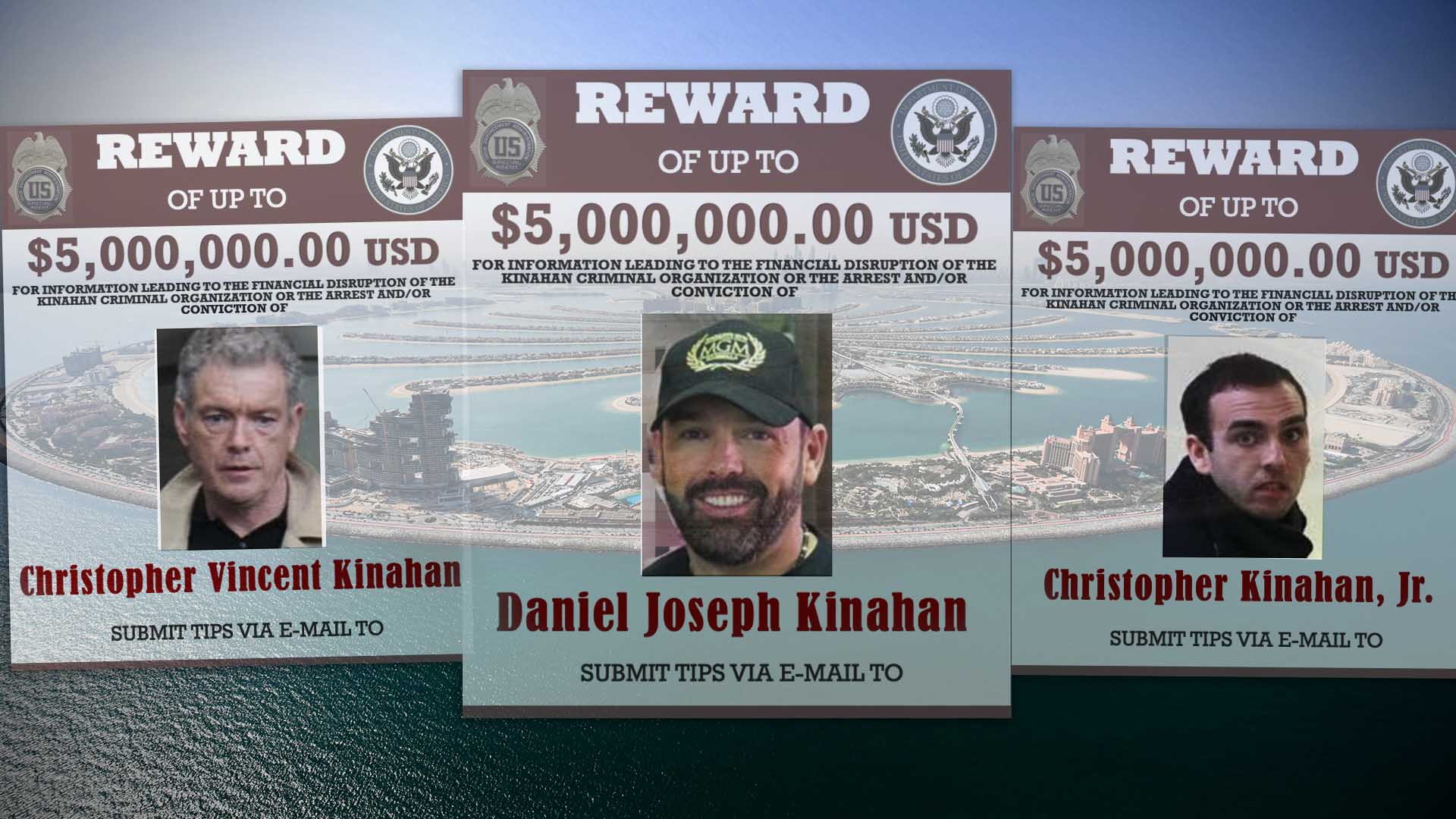
The United States Treasury Department designated Kinahan as a significant transnational criminal organisation in 2022, imposing sanctions on him and several associates. The designation, which was accompanied by a $5 million reward for information leading to his arrest, marked a significant escalation in international pressure on Kinahan and contributed to the diplomatic efforts that eventually led to the establishment of a formal extradition treaty between Ireland and the UAE.
That treaty was used for the first time in 2025 to secure the extradition of Sean McGovern, a senior Kinahan associate who is now serving a 24-year sentence in Portlaoise Prison. McGovern's extradition demonstrated that the treaty was operational and paved the way for the more complex and high-profile case of Kinahan himself.
Key Developments
Kinahan was taken into custody in Dubai in April 2026 following an extradition request issued by Irish authorities. He mounted a two-stage legal challenge to block his removal, but both stages were unsuccessful, with his final appeal disposed of in early August 2026. The exhaustion of his legal options in the UAE means that the extradition can now proceed without further delay.
The Irish Prison Service has acquired a new, second-hand, bomb-proof and bulletproof van to transport Kinahan from Casement Aerodrome to the Special Criminal Court in Dublin, where he is expected to face a charge of directing an organised crime group. Following his court appearance, he is expected to be remanded in custody to Portlaoise Prison, where McGovern is already held.
The security operation surrounding the extradition is unprecedented in scale, reflecting the assessment by Garda intelligence that Kinahan remains a significant target for rival criminal organisations and that the risk of an attempt to interfere with the extradition process cannot be discounted. The operation involves close coordination between the Garda National Drugs and Organised Crime Bureau, the Garda Emergency Response Unit, and the Defence Forces.
Why It Matters
The extradition of Daniel Kinahan would represent the culmination of more than a decade of law enforcement effort and diplomatic work, and would send a powerful message about the reach of Irish and international justice. For the families of those killed in the Kinahan-Hutch feud — a conflict that claimed more than a dozen lives and terrorised communities in Dublin and beyond — it would represent a measure of accountability for the man alleged to have been at the centre of the criminal enterprise that drove the violence.
The case also has significant implications for the broader fight against organised crime in Ireland. The Kinahan cartel's operations have been linked to drug trafficking, money laundering, and violence across multiple jurisdictions, and the prosecution of its alleged leader in an Irish court would provide an opportunity to expose the full extent of those operations through the evidence presented at trial. The Special Criminal Court, which sits without a jury and was established to deal with cases where there is a risk of jury intimidation, is the appropriate venue for such a prosecution.
For the Garda Síochána, the extradition is the product of years of painstaking intelligence work and international cooperation, and represents a vindication of the strategy of pursuing organised crime figures through legal channels rather than relying solely on domestic enforcement operations.
Local Impact
The Kinahan cartel's operations have had a devastating impact on communities across Dublin, particularly in the north inner city and in areas of west Dublin where the feud with the Hutch family was most intense. The violence associated with the feud — including the murders of innocent bystanders and the targeting of individuals with no direct involvement in criminal activity — left deep scars on those communities. The prospect of Kinahan facing justice in an Irish court has been welcomed by community organisations and residents' groups in the affected areas.
What's Next
Once Kinahan arrives in Ireland, he will be brought before the Special Criminal Court in Dublin, where he is expected to be charged and remanded in custody. The trial process is likely to be lengthy and complex, given the scale of the alleged offences and the volume of evidence that prosecutors are expected to present. Legal observers have suggested that a trial, if it proceeds, could take several years to complete. Kinahan's legal team in Ireland is expected to mount a vigorous defence.