Daniel Kinahan Charged with Directing Criminal Organisation After Extradition from Dubai
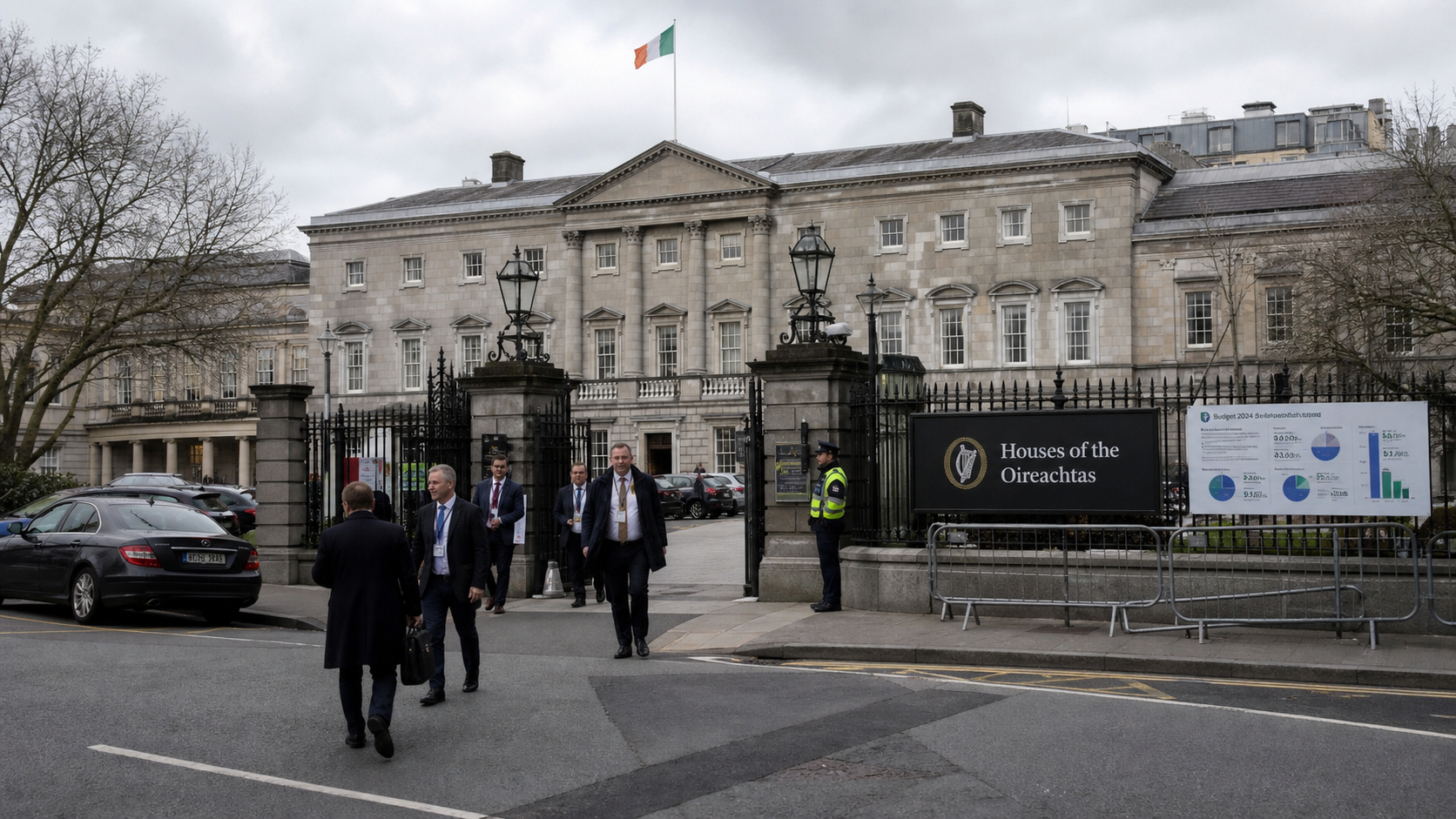
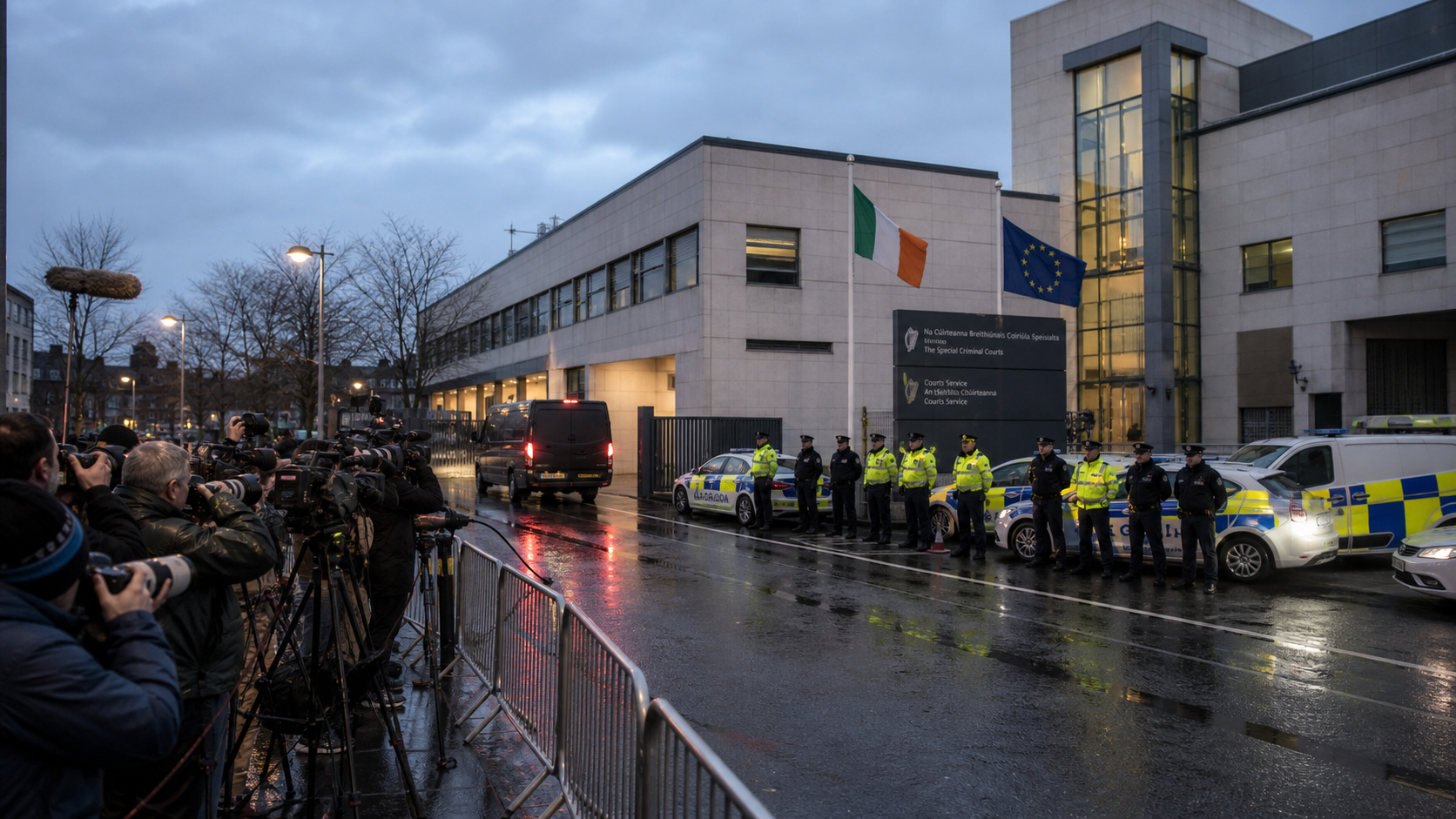
Daniel Kinahan, the 49-year-old Dubliner alleged to be the head of one of the world's most prolific and violent organised crime groups, appeared before a special Sunday night sitting of the Special Criminal Court in Dublin after being extradited from the United Arab Emirates — the culmination of years of Garda and international law enforcement effort that has transformed the landscape of the fight against organised crime in Ireland.
Background
The Kinahan Organised Crime Group has been a primary target of law enforcement agencies on both sides of the Atlantic for more than a decade. The organisation, which grew from the Dublin criminal underworld in the early 2000s, evolved into a sophisticated transnational criminal enterprise with operations spanning drug trafficking, money laundering, and violent gang warfare across Europe, the Middle East, and beyond. In 2022, the United States Treasury Department designated the group as a significant transnational criminal organisation, estimating that it had generated more than one billion dollars from its illicit activities.
Daniel Kinahan had been living in Dubai for a number of years, operating what he presented publicly as a boxing promotion business while allegedly continuing to direct the activities of the criminal organisation that bears his family's name. His presence in the UAE had long been a source of frustration for Irish and international law enforcement, as the absence of an extradition treaty between Ireland and the UAE meant that he appeared to be beyond the reach of Irish justice.
That changed in May 2025, when a judicial treaty between Ireland and the UAE formally entered into force. The treaty, which had been negotiated over several years, provided the legal framework for extradition requests to be made and processed. Irish authorities moved quickly, and Kinahan was detained by Dubai Police in April 2026 following the issue of an arrest warrant. The extradition process moved through the Dubai Court of Cassation before being finalised, with Kinahan arriving at Casement Aerodrome in Baldonnell on the evening of Sunday, 9 August.
Key Developments
The security operation surrounding Kinahan's arrival and transfer to court was extraordinary in its scale. Armed police and military personnel were deployed at Casement Aerodrome, and a high-speed convoy of blacked-out police vehicles swept through Dublin to bring Kinahan to the Special Criminal Court. The Irish Prison Service had specifically acquired a bombproof and bulletproof van to transport high-risk prisoners, including Kinahan, to and from court — a measure that reflects the assessment of the threat level associated with his case.
At the brief court hearing, Kinahan was charged with directing the activities of a criminal organisation between October 2015 and April 2017. He appeared without legal representation and, when informed by the judge that any bail application would need to be made through the High Court, remarked with apparent resignation: "I think we all know I won't be getting bail." He was remanded in custody until his next court date on 5 October 2026. He is to be held in Portlaoise Prison, segregated from the general population, with access to his own gym and library facilities.
The charges relate to a specific period of alleged criminal activity, and prosecutors are expected to present a detailed case drawing on years of intelligence gathering and international cooperation. The trial, when it comes, is likely to be one of the most significant criminal proceedings in the history of the Irish state.
Why It Matters
The extradition and charging of Daniel Kinahan is a landmark moment in the history of Irish law enforcement. For years, the Kinahan organisation operated with apparent impunity, its leadership beyond the reach of Irish justice while its activities caused devastation in communities across Dublin and beyond. The Kinahan-Hutch feud, which erupted in 2016, claimed more than a dozen lives and terrorised communities in north Dublin and beyond. The organisation's drug trafficking operations contributed to the addiction crisis that has destroyed countless lives in Irish cities.
The successful extradition demonstrates that the Irish state, working in partnership with international allies, can reach even those who believe they have found a safe haven beyond its jurisdiction. The Ireland-UAE judicial treaty, which made this extradition possible, is a model for the kind of international cooperation that is essential in the fight against transnational organised crime. It also sends a clear message to others who might seek to use the UAE or similar jurisdictions as a refuge from Irish justice.
The timing of the extradition — coming just days after the Veronica Guerin family's donation to St Francis Hospice — carries a particular resonance. Guerin was murdered by the criminal milieu from which the Kinahan organisation emerged, and her death was the catalyst for the legislative and institutional changes that have made prosecutions like this one possible.
Local Impact
For the communities in north Dublin — Finglas, Ballymun, Coolock, and the north inner city — that have borne the brunt of the Kinahan organisation's activities, the news of Kinahan's extradition and charging has been received with cautious relief. The Kinahan-Hutch feud left a trail of grief and trauma in these communities, and many families who lost loved ones to the violence have waited years for any form of accountability. The charging of Kinahan does not undo that harm, but it represents a form of justice that many had feared would never come. The Garda National Drugs and Organised Crime Bureau, which has led the Irish investigation, has been praised by the Minister for Justice for its sustained and professional work on the case.
What's Next
Kinahan's next court appearance is scheduled for 5 October 2026, when the case will be mentioned before the Special Criminal Court. Legal representation is expected to be in place by that date, and the court will begin the process of managing the disclosure of evidence and setting a timetable for the trial. Given the complexity of the case and the volume of evidence involved, the trial itself is unlikely to begin before 2027. Kinahan will remain in custody at Portlaoise Prison in the interim, held under conditions that reflect the exceptional security considerations his case presents.