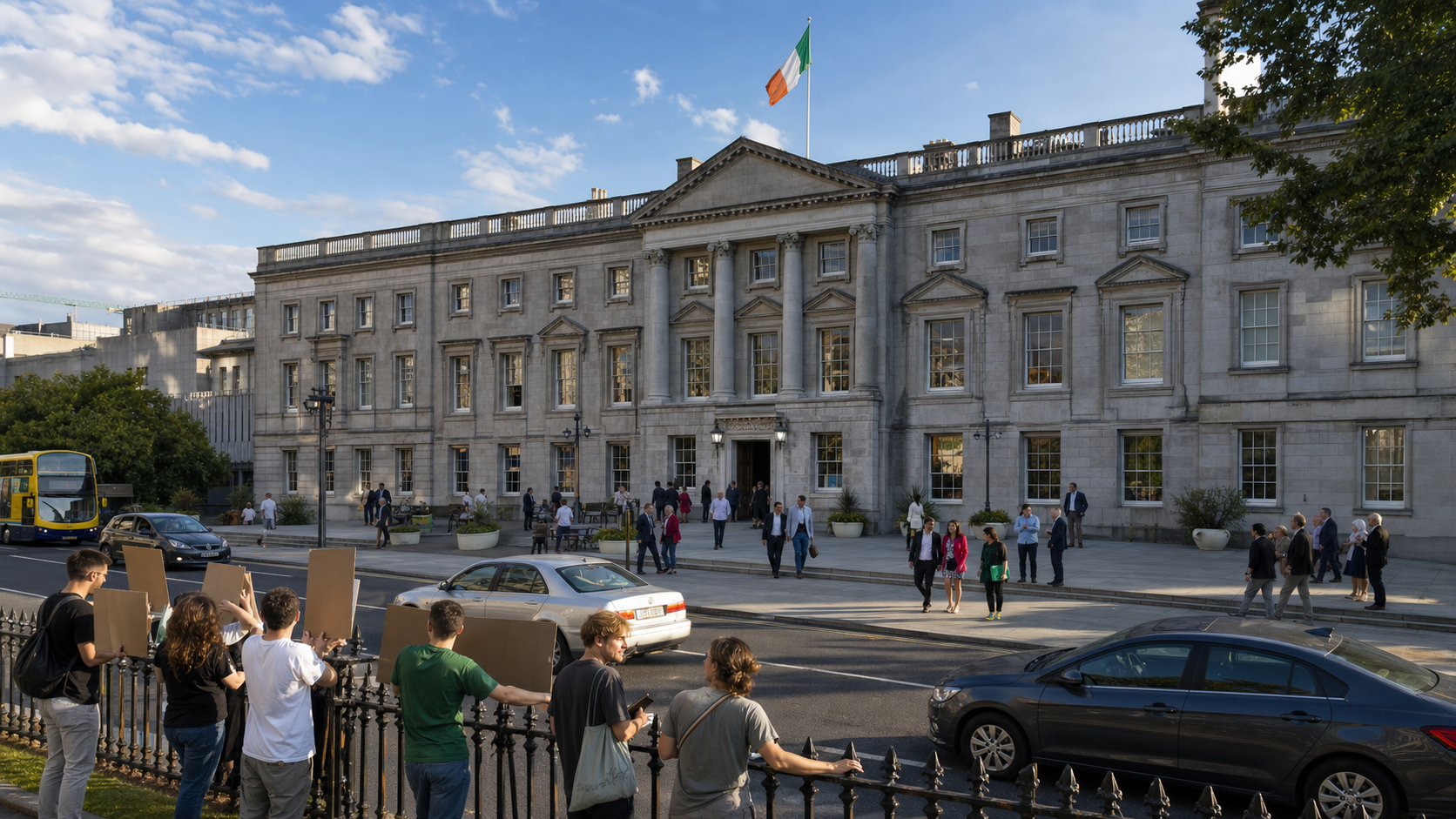
Dáil Rises for Summer Recess as Seanad Passes Occupied Territories Bill and Housing Crisis Awaits Return
The Dáil Éireann has risen for its summer recess following a political term characterised by intense debate but limited legislative resolution, with the Seanad passing the Occupied Territories Bill in the final hours of the parliamentary session. The bill, which bans the import of goods from Israeli settlements in the occupied Palestinian territories, now goes to President Michael D. Higgins to be signed into law. TDs and senators will return in September facing unresolved crises in housing, health, and constitutional debate that have dominated the political agenda throughout the spring and early summer.
Background
The Occupied Territories Bill has had one of the longest and most tortuous legislative journeys in recent Irish political history. First introduced as a private member's bill by Senator Frances Black in 2018, it passed the Seanad in that year but stalled in the Dáil amid government opposition and concerns about its compatibility with EU trade law. The bill was revived and revised on multiple occasions over the following years, with successive governments expressing sympathy for its aims while raising legal objections to its specific provisions.
The passage of the bill through the Seanad on Wednesday represents the culmination of an eight-year campaign by its supporters, who include a broad coalition of human rights organisations, trade unions, and political parties. The bill's passage has been welcomed by Palestinian solidarity groups and condemned by the Israeli government, which has described it as discriminatory and contrary to international trade norms. The Irish government's decision to allow the bill to proceed reflects the strong public sentiment in Ireland on the question of Palestinian rights, which has been particularly intense since the outbreak of the Gaza conflict in 2023.
The broader political context of the Dáil's final sitting days was one of considerable activity but limited resolution. The Irish Times described the term as one of "high drama but few decisive blows" between the government and opposition, a characterisation that captures the sense of a political system in which the big questions — housing, health, constitutional change — are being debated intensely but not yet resolved.
Key Developments
The Seanad passed the Occupied Territories Bill on Wednesday, the final day of the parliamentary session, after a debate that lasted several hours. The bill passed with a comfortable majority, reflecting the broad cross-party support it has attracted in the upper house. It now goes to President Higgins, who is expected to sign it into law within the statutory seven-day period. The bill's passage was welcomed by Amnesty International Ireland, the Irish Congress of Trade Unions, and a range of other civil society organisations.
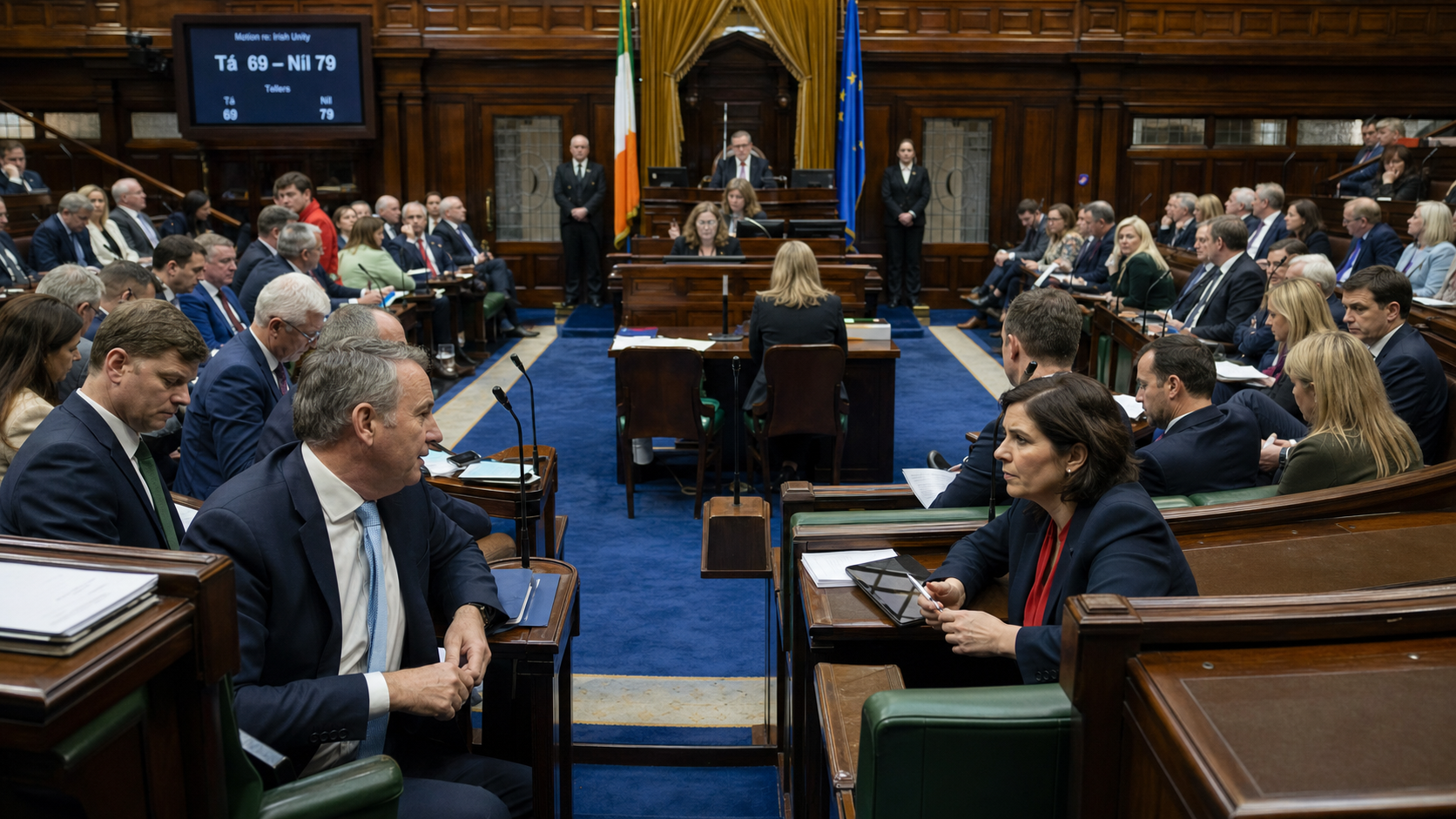
The Dáil's final sitting day also saw debates on housing, health, and the Sinn Féin unity bill, as well as urgent questions on a range of other issues. The overall impression was of a parliament that is grappling with a large and complex agenda but struggling to make decisive progress on the issues that matter most to voters. The government's majority, while comfortable, has not translated into the kind of legislative momentum that its supporters had hoped for.
The Dáil will return from its summer recess in September, when the 2027 Budget will be the dominant item on the political agenda. The Budget, to be announced in October, will be the key test of the government's commitment to addressing the housing and health crises that have dominated the political debate throughout 2026.
Why It Matters
The passage of the Occupied Territories Bill is a significant moment in Irish foreign policy, representing the most concrete legislative action taken by any EU member state in response to Israeli settlement activity in the occupied Palestinian territories. Ireland has long positioned itself as a strong advocate for Palestinian rights, and the bill's passage reinforces that position in a tangible way. The legal implications of the bill are still being assessed — the government has indicated it will seek EU-level coordination on implementation — but its symbolic significance is considerable. For the broader political picture, the Dáil's summer recess marks a pause in a political season that has been dominated by big questions without big answers. The autumn will bring the Budget, the return of the housing debate, and the continuing question of constitutional change — a full agenda for a government that is still finding its legislative feet.
Local Impact
The Occupied Territories Bill will have limited direct impact on most Irish consumers, as goods from Israeli settlements represent a small fraction of total imports. However, its passage sends a clear signal about Ireland's foreign policy priorities and is likely to be welcomed by the significant Irish-Palestinian community and by the many Irish people who have followed the Gaza conflict with deep concern. In Northern Ireland, the bill's passage will be noted with interest — the question of how the North's trade relationships with Israel are affected by legislation passed in Dublin is one that will require careful legal analysis. For the political parties returning from the summer recess, the autumn agenda is daunting: housing, health, the Budget, and the ongoing question of constitutional change all demand attention, and the government will need to demonstrate that it can make progress on at least some of these fronts if it is to maintain public confidence.
What's Next
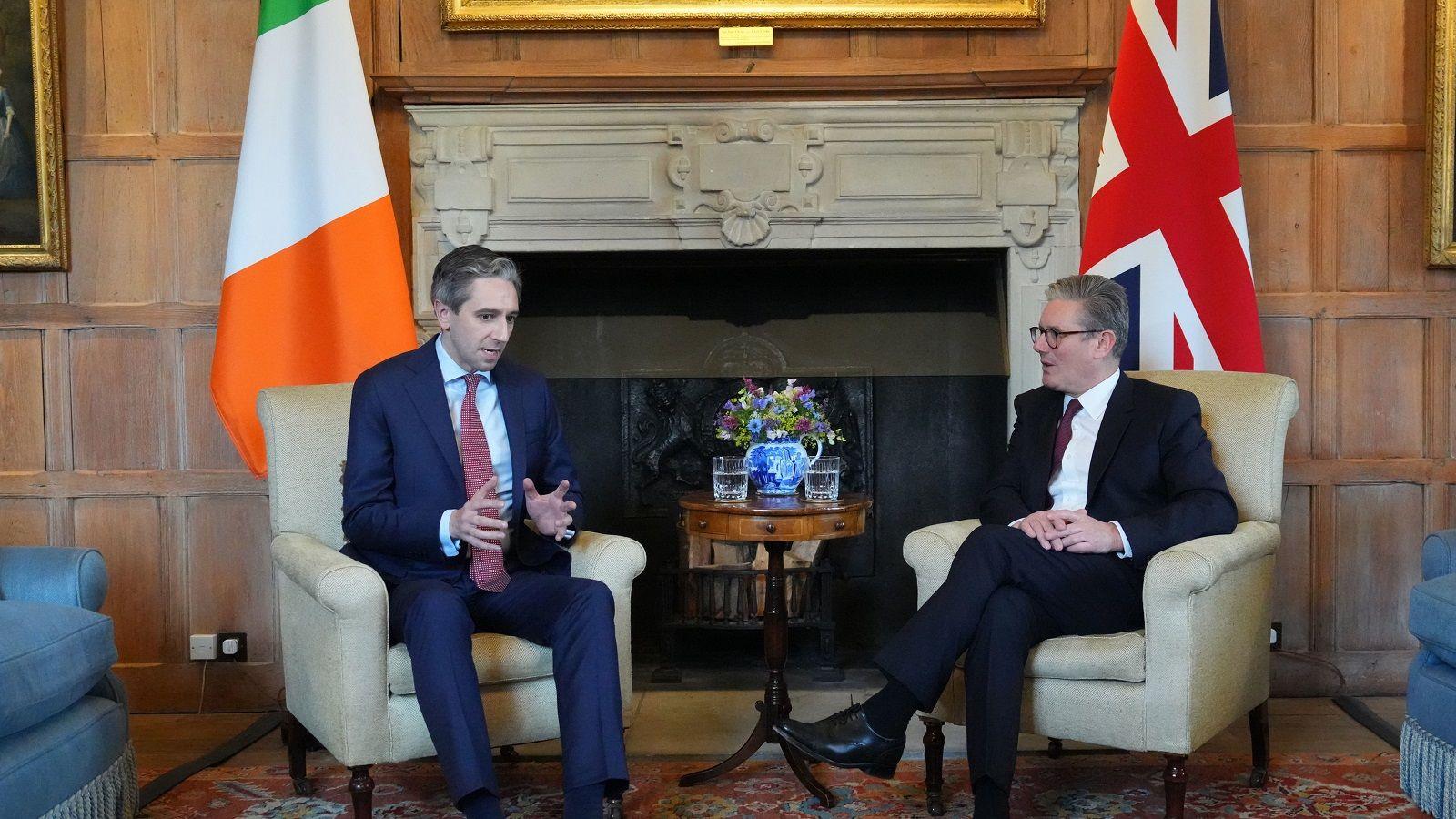
President Higgins is expected to sign the Occupied Territories Bill into law within the next seven days. The government will then need to develop implementing regulations and engage with the EU Commission on the bill's compatibility with EU trade law — a process that could take several months. The Dáil returns from its summer recess in September, with the 2027 Budget the dominant item on the agenda. The Budget will be announced in October, and the weeks leading up to it are expected to be dominated by lobbying from housing, health, and social welfare advocacy groups. The Taoiseach's meeting with the UK Prime Minister today is also expected to generate follow-up work for the autumn, particularly on the question of the Northern Ireland Executive's finances.