Creeslough Families Meet Taoiseach as Government Opens Door to Statutory Inquiry
Families of the ten people who died in the Creeslough explosion in October 2022 met with Taoiseach Micheál Martin at Government Buildings on Tuesday, emerging with a conditional commitment that the government will consider establishing a statutory public inquiry if the ongoing criminal investigation, inquest, and regulatory inquiry fail to provide the answers they need. The families, who have been campaigning for a full public inquiry since the tragedy, described the meeting as a positive step while making clear that their ultimate goal remains a comprehensive statutory inquiry that can compel witnesses and examine all aspects of the disaster.
Background
The Creeslough explosion of October 7, 2022, was one of the worst peacetime disasters in the history of the Irish state. Ten people died when an explosion destroyed an Applegreen filling station and adjoining apartment complex in the small village of Creeslough in north Donegal, a community of just a few hundred people that was devastated by the loss. The victims ranged in age from five to 59, and included a father and daughter, a young couple, and several people who were simply passing through or had stopped to fill their cars.
The cause of the explosion was determined to be a gas leak, but the families of the victims have consistently argued that the circumstances that led to the disaster — including the regulatory oversight of the gas installation and the safety standards applied to the premises — require a full public examination. They have pointed to what they describe as failures in the regulatory system that, if addressed, could prevent similar tragedies in the future.
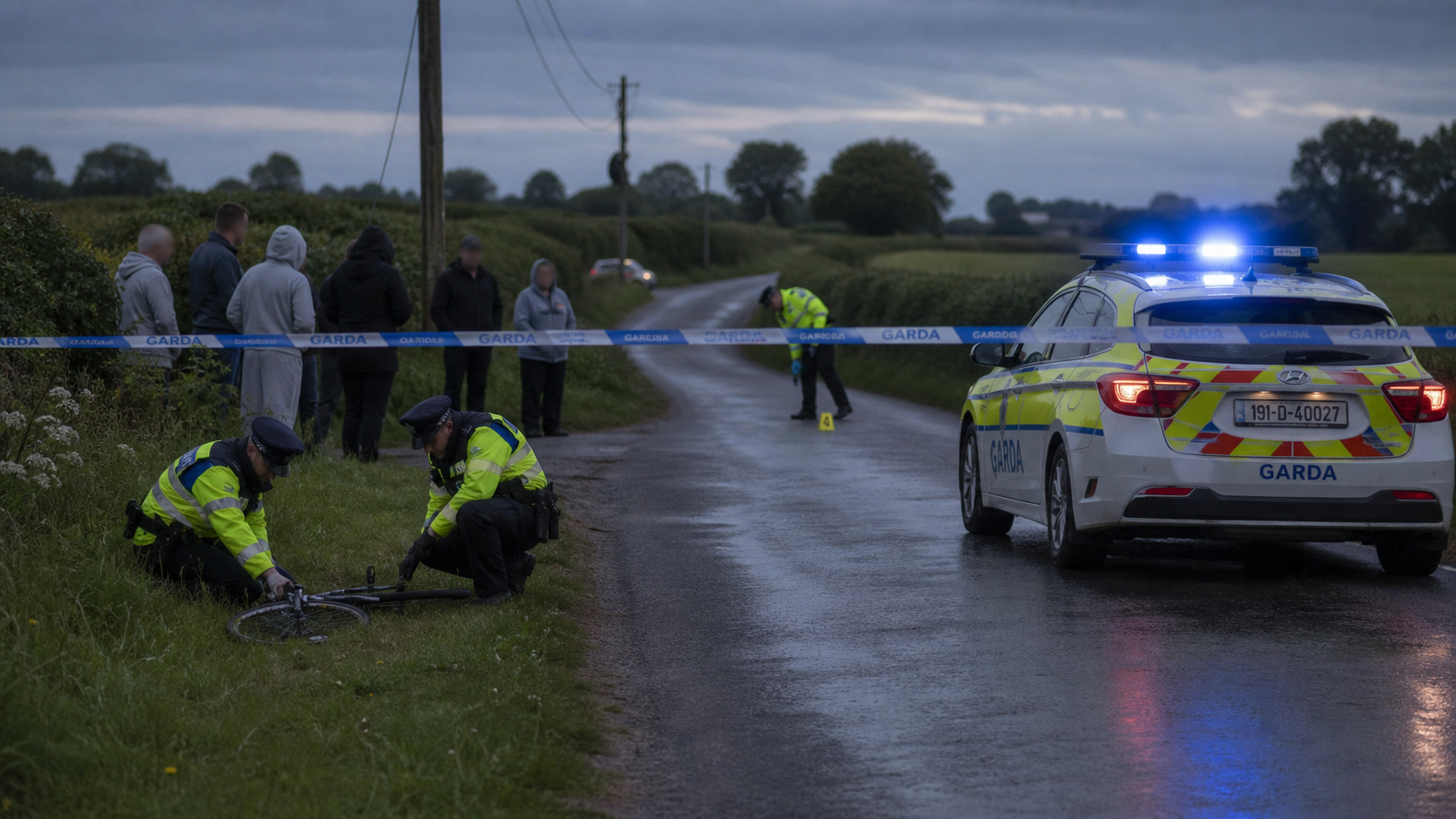
The government's position has been that a public inquiry should not be established while a criminal investigation is ongoing, as it could prejudice any subsequent prosecution. A file was submitted to the Director of Public Prosecutions in September 2025, and a supplementary file was later provided by Gardaí. The Commission for the Regulation of Utilities has also conducted an inquiry into the gas installation at the site. The families have argued that these processes, while important, are not sufficient to provide the comprehensive public examination they believe is necessary.
Key Developments
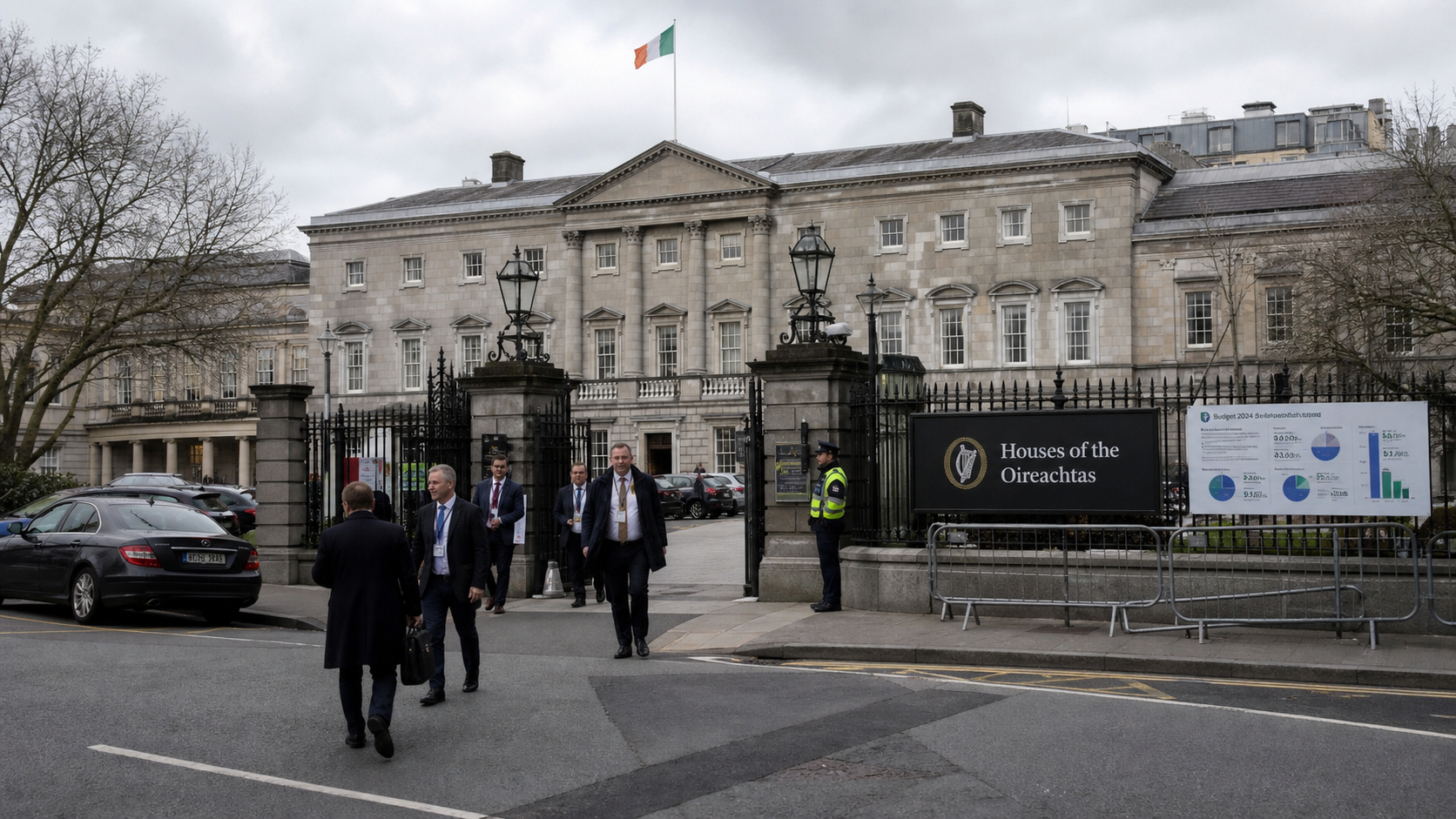
Tuesday's meeting at Government Buildings was the culmination of months of campaigning by the families, who had previously met with Oireachtas members at Leinster House in June 2026. The Taoiseach acknowledged the families' need for justice and expressed his sympathies for their ongoing trauma. He offered a conditional commitment: if the ongoing Garda criminal investigation, the inquest process, or the Commission for the Regulation of Utilities inquiry fails to transparently explain the circumstances of the explosion, the government will then consider launching a full statutory inquiry.
Donna Harper, whose 14-year-old daughter Leona died in the tragedy, described the meeting as a positive step. "The Taoiseach said that Ireland needs the truth, and we agree with him," she said. "We are not going away. We will keep pushing until we have the full public inquiry that our families deserve." The families' legal representative, Damien Tansey, described the conditional commitment as meaningful but emphasised that the families' preference remains a statutory inquiry without further delay.
Why It Matters
The Creeslough families' campaign for a public inquiry is about more than accountability for a single tragedy, significant as that is. It is about the principle that when ten people die in circumstances that may involve regulatory failure, the public has a right to a full and transparent examination of what went wrong and why. Statutory inquiries have the power to compel witnesses, examine documents, and make findings that can drive systemic change. The alternative — a series of separate processes, each with limited scope and powers — risks producing a fragmented picture that satisfies no one and changes nothing. The government's conditional commitment is a step in the right direction, but the families are right to continue pressing for a full inquiry without further conditions.
Local Impact
In Creeslough, a village that has been living with the aftermath of the explosion for nearly four years, the news of the Taoiseach's conditional commitment was received with cautious hope. The community has shown remarkable resilience in the face of devastating loss, but the absence of a full public examination of the circumstances of the disaster has been a source of ongoing pain. Local politicians from Donegal, including TDs from across the political spectrum, have consistently supported the families' call for a public inquiry, and the Taoiseach's meeting with the families was welcomed as a sign that the government is taking their concerns seriously. The Health and Safety Authority report on the incident, which the Taoiseach indicated is expected to be finalised shortly, will be an important element of the overall picture.
What's Next
The Taoiseach has indicated that the government will review the situation once the HSA report is published and the inquest process has progressed. The families have made clear that they will continue to campaign for a full statutory inquiry and will return to Government Buildings if the conditional commitment is not honoured. The inquest into the deaths of the ten victims is expected to begin later in 2026, and its findings will be a key factor in the government's assessment of whether a statutory inquiry is necessary.