Cork Midsummer Festival Opens with Isabelle Huppert and Evanna Lynch as City Celebrates Arts in Defiance of Gloom
The Cork Midsummer Festival launched its 2026 edition on Friday 12 June with a reading by French cinema icon Isabelle Huppert and a new production featuring Irish actress Evanna Lynch, marking the beginning of ten days of theatre, music, and visual art that organisers describe as the most ambitious programme in the festival's history.
Background
The Cork Midsummer Festival has been a fixture of the Irish cultural calendar for over two decades, transforming the city's streets, theatres, and public spaces into a sprawling arts venue each June. It occupies a distinctive position in the Irish festival landscape — neither as large as the Galway International Arts Festival nor as music-focused as Electric Picnic, it has carved out a reputation for adventurous programming that combines international prestige with genuine local engagement.
Cork's cultural infrastructure has grown considerably in recent years, with the Everyman Theatre, the Triskel Christchurch, and the Firkin Crane all playing host to festival events. The city's status as a European Capital of Culture in 2005 left a lasting legacy in terms of both venues and audience appetite, and the Midsummer Festival has been one of the primary beneficiaries of that legacy.
The 2026 programme was assembled against a backdrop of significant pressure on arts funding across Ireland, with the Arts Council facing difficult choices about where to direct limited resources. The festival's ability to attract an artist of Isabelle Huppert's calibre — one of the most celebrated actresses in world cinema — is a testament to the relationships Cork's cultural organisations have built over many years.
Key Developments
The opening night on Friday 12 June featured Isabelle Huppert in a special reading at a Cork venue, drawing an audience that included arts figures from across Ireland and a significant number of international visitors. Huppert, whose career spans more than five decades and includes collaborations with directors including Michael Haneke, Claude Chabrol, and Paul Verhoeven, is not a frequent visitor to Ireland, and her presence has generated considerable excitement in the city.
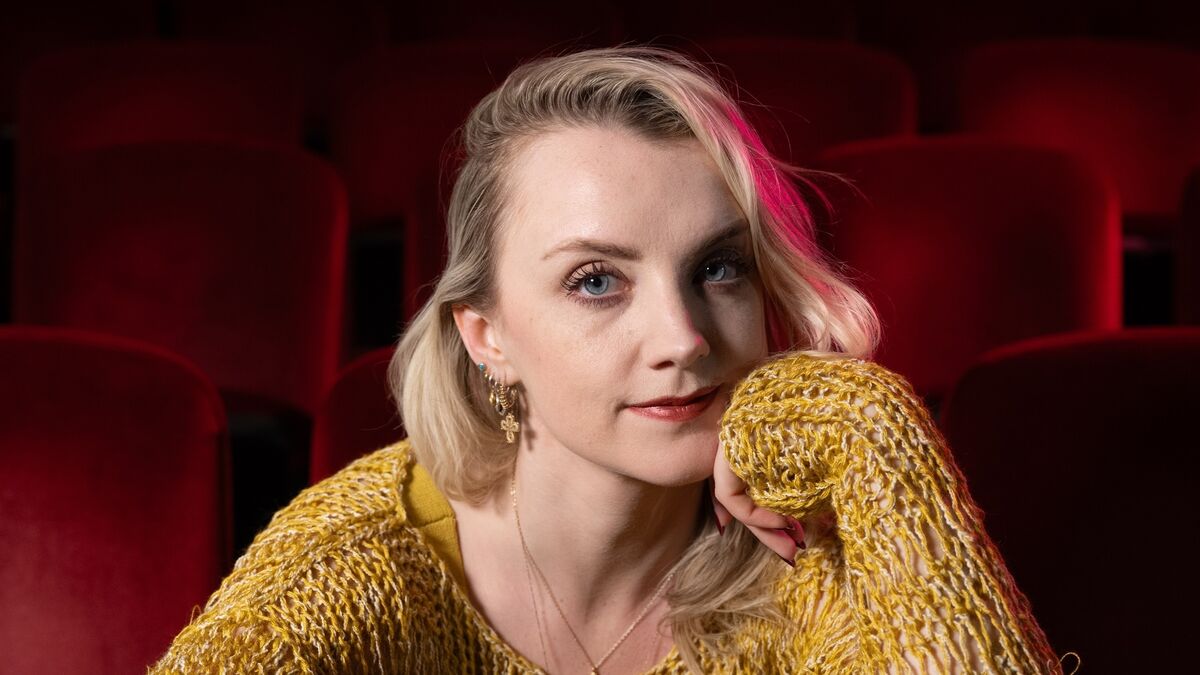
Evanna Lynch, the Termonfeckin-born actress best known internationally for her role as Luna Lovegood in the Harry Potter film series, appears in Pool (No Water), a production that has been generating strong advance reviews. Lynch has been increasingly active in Irish theatre in recent years, and her involvement in the Midsummer Festival represents a homecoming of sorts for an actress who has built a significant international profile.
The festival runs until 21 June and encompasses theatre, music, visual art, and site-specific performance across multiple Cork venues. The programme includes work by Irish and international artists, with a particular emphasis on new commissions and world premieres. Organisers have confirmed that ticket sales have been strong, with several events already sold out.
Why It Matters
The Cork Midsummer Festival's 2026 edition arrives at a moment when the case for arts investment in Ireland is being made with particular urgency. The creative industries contribute significantly to the Irish economy — tourism, hospitality, and the broader cultural economy all benefit from a vibrant festival sector — and Cork's festival has consistently demonstrated a return on public investment that goes well beyond the cultural.
The presence of Isabelle Huppert is significant not just as a cultural event but as a statement about Cork's standing as a destination for serious international artists. Unlike some Irish festivals that rely primarily on music acts, the Midsummer Festival has built its reputation on theatre and performance art, a more demanding proposition for audiences but one that has proven sustainable over two decades.
For the city itself, the festival provides an economic boost at a time when the hospitality sector is navigating a challenging environment. Hotels, restaurants, and transport providers all benefit from the influx of visitors, and the festival's geographic spread across multiple venues means that the economic impact is distributed across the city rather than concentrated in a single location.
Local Impact
In Cork city, the festival's opening has been welcomed as a statement of confidence in the city's cultural life. The Everyman Theatre on MacCurtain Street, the Triskel Christchurch on Tobin Street, and the Firkin Crane in Shandon are all hosting events, drawing audiences from across Munster and beyond. Local businesses in the city centre have reported increased footfall in the days leading up to the festival, and the tourism office has noted a significant uptick in hotel bookings for the festival period.
For Cork's arts community, the festival provides a platform that is genuinely difficult to replicate at other times of the year. Local theatre companies, musicians, and visual artists benefit from the increased audience attention that the festival generates, and several Cork-based artists are featured in the 2026 programme alongside the international headliners.
What's Next
The Cork Midsummer Festival continues until 21 June, with a full programme of events across the city. Tickets for remaining events are available through the festival website, though several performances are already sold out. The festival's closing weekend is expected to be particularly busy, with a number of high-profile events scheduled for the final days. Organisers will publish a full review of the 2026 edition in late June, including audience figures and economic impact data.