Civil Service Work-to-Rule Threatens to Derail Ireland's EU Council Presidency as Unions Clash Over Exemptions
A civil service work-to-rule action beginning this week is expected to cause significant disruption to Ireland's six-month presidency of the Council of the European Union, with senior officials warned that they may be unable to travel to Brussels, Luxembourg, and Strasbourg for out-of-hours negotiations — a constraint that threatens to undermine Ireland's effectiveness as an honest broker in some of the most complex legislative negotiations in the EU's current cycle.
Background
Ireland assumed the rotating presidency of the Council of the European Union in July 2026, taking on the role of neutral chair and broker for negotiations among the 27 member states on a wide range of legislative and policy matters. The presidency is one of the most demanding assignments in Irish public administration, requiring officials to work extended hours, travel frequently to EU institutions in Brussels, Luxembourg, and Strasbourg, and maintain a level of diplomatic engagement that goes far beyond normal working patterns.
The Government invested heavily in preparing for the presidency, allocating a budget of €300 million and doubling the staff of Ireland's permanent representation in Brussels to approximately 250 people. Senior officials had previously warned that the demands of the presidency would stretch the Government's bandwidth, and that managing the domestic agenda — including Budget 2027, the Drumcree crisis, and a range of other pressing issues — alongside the presidency responsibilities would require exceptional commitment from the civil service.
The work-to-rule action is the latest development in a pay dispute that has been building since the expiry of the previous national pay deal in June 2026. Public sector unions have been seeking a new agreement that reflects the impact of inflation on their members' living standards, and the Government's response has been judged insufficient by the union leadership. A one-day strike is scheduled for 14 October, with the work-to-rule action serving as an escalation of pressure in the interim.
Key Developments
The impact of the work-to-rule is complicated by differing guidance from the two main unions representing civil servants. Fórsa, the largest public sector union, has indicated that overtime and out-of-hours work related to the EU presidency are permitted, citing the structured nature of the work since July. The Association of Higher Civil and Public Servants, which represents more senior grades, has taken a harder line, instructing members to refrain from additional duties and prohibiting travel to meetings outside contracted working hours.
The AHCPS position is particularly significant because it is the senior grades — assistant secretaries, principal officers, and their equivalents — who lead Ireland's negotiating teams in Brussels and who chair the working groups and committees through which EU legislation is developed. If these officials are unable to attend evening sessions or weekend meetings, Ireland's ability to fulfil its presidency obligations will be materially compromised.
A carve-out has been secured for civil servants working on the national budget announcement, scheduled for 6 October, but no similar exemption has been established for EU presidency work. Senior officials have privately warned ministers that the situation is serious, and that the reputational damage to Ireland from a visibly impaired presidency performance could be significant.
Why It Matters
The EU presidency is one of the most significant opportunities available to a small member state to shape the direction of European policy. Ireland's current presidency priorities include the EU's next seven-year budget framework, the digital single market, and a range of environmental and agricultural policy matters that are of direct importance to Irish interests. The ability to chair negotiations effectively, build coalitions among member states, and drive legislative progress depends on the availability and commitment of experienced officials who know the dossiers and the personalities involved.
A disrupted presidency would not only damage Ireland's standing in Brussels but would also affect the Government's ability to deliver on its domestic commitments. Several pieces of EU legislation currently being negotiated have direct implications for Irish housing policy, agricultural supports, and digital regulation, and Ireland's influence over the final shape of these measures depends on its effectiveness as presidency chair.
Local Impact
The practical impact of the work-to-rule will be felt most acutely in the Department of Foreign Affairs and the Department of the Taoiseach, which carry the primary responsibility for managing the presidency. Officials in these departments have been working extended hours since July, and the imposition of strict contracted-hours working will require a significant reorganisation of how presidency business is managed. The permanent representation in Brussels, which operates across multiple time zones and must respond to developments in the EU institutions at short notice, will face particular challenges. For Irish citizens, the most visible consequence may be delays in the progress of EU legislation that affects everyday life — from consumer protection rules to environmental standards — as Ireland's ability to drive the legislative agenda is constrained.
What's Next
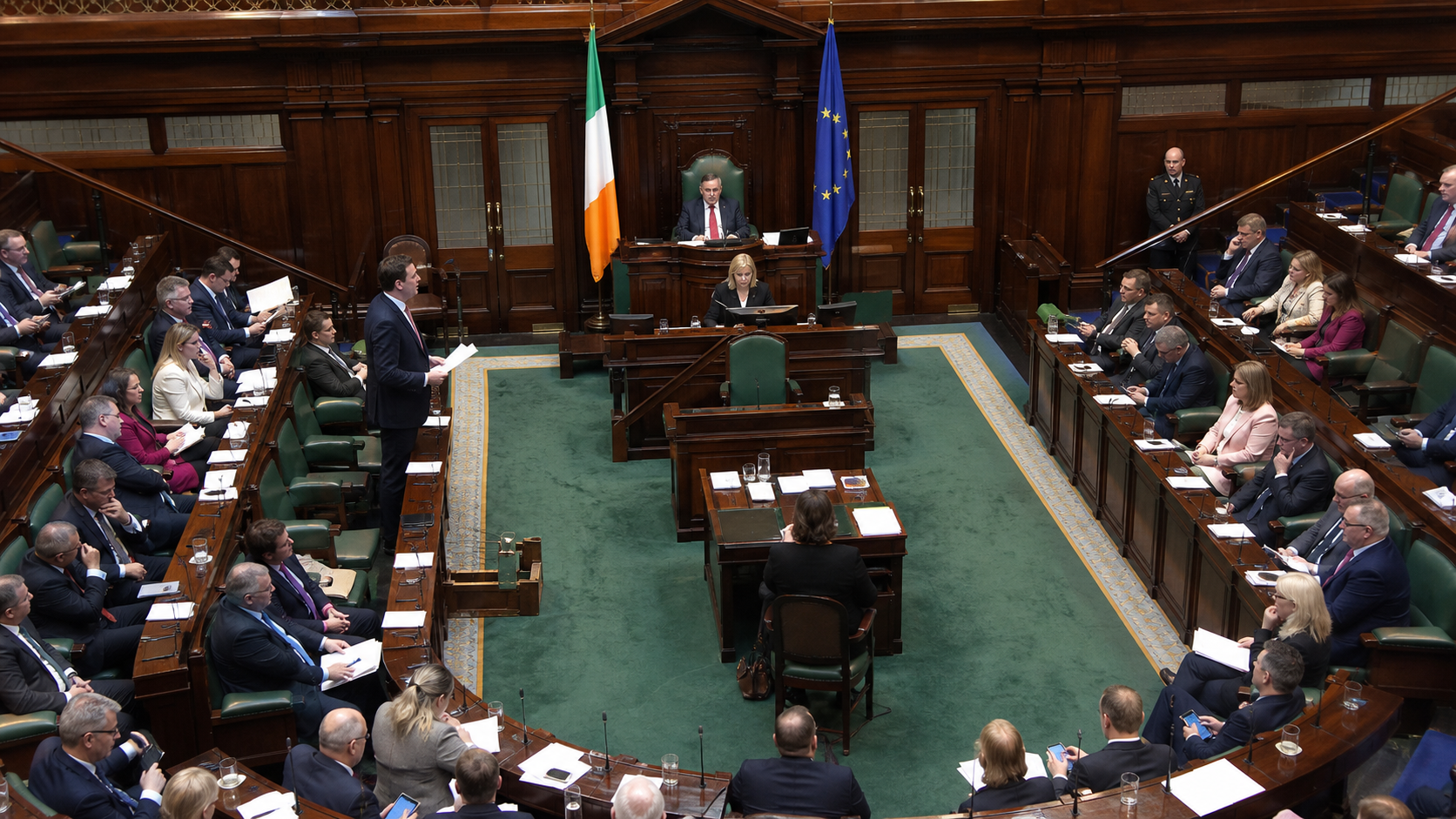
Emergency talks between the Government and the public sector unions are expected to take place before the end of the week, with both sides under pressure to find a resolution before the work-to-rule causes irreversible damage to the presidency. The one-day strike scheduled for 14 October remains in place, and union leaders have indicated that further escalation is possible if the Government does not improve its pay offer. The Taoiseach is expected to address the situation in the Dáil when it returns from recess, and the issue is likely to dominate political coverage in the coming days alongside the Drumcree dispute and Budget 2027 preparations.