Children's Hospital Contractor BAM Submits €983m in Claims as Project Completion Date Shifts for 20th Time
The contractor building the National Children's Hospital has submitted claims totalling €983 million in disputed costs, the National Paediatric Hospital Development Board has confirmed, though only approximately €110 million — roughly 7% of the claimed total — has been determined and awarded, as the project's completion date is shifted for the twentieth time in six years and the hospital's opening remains without a firm date.
Background
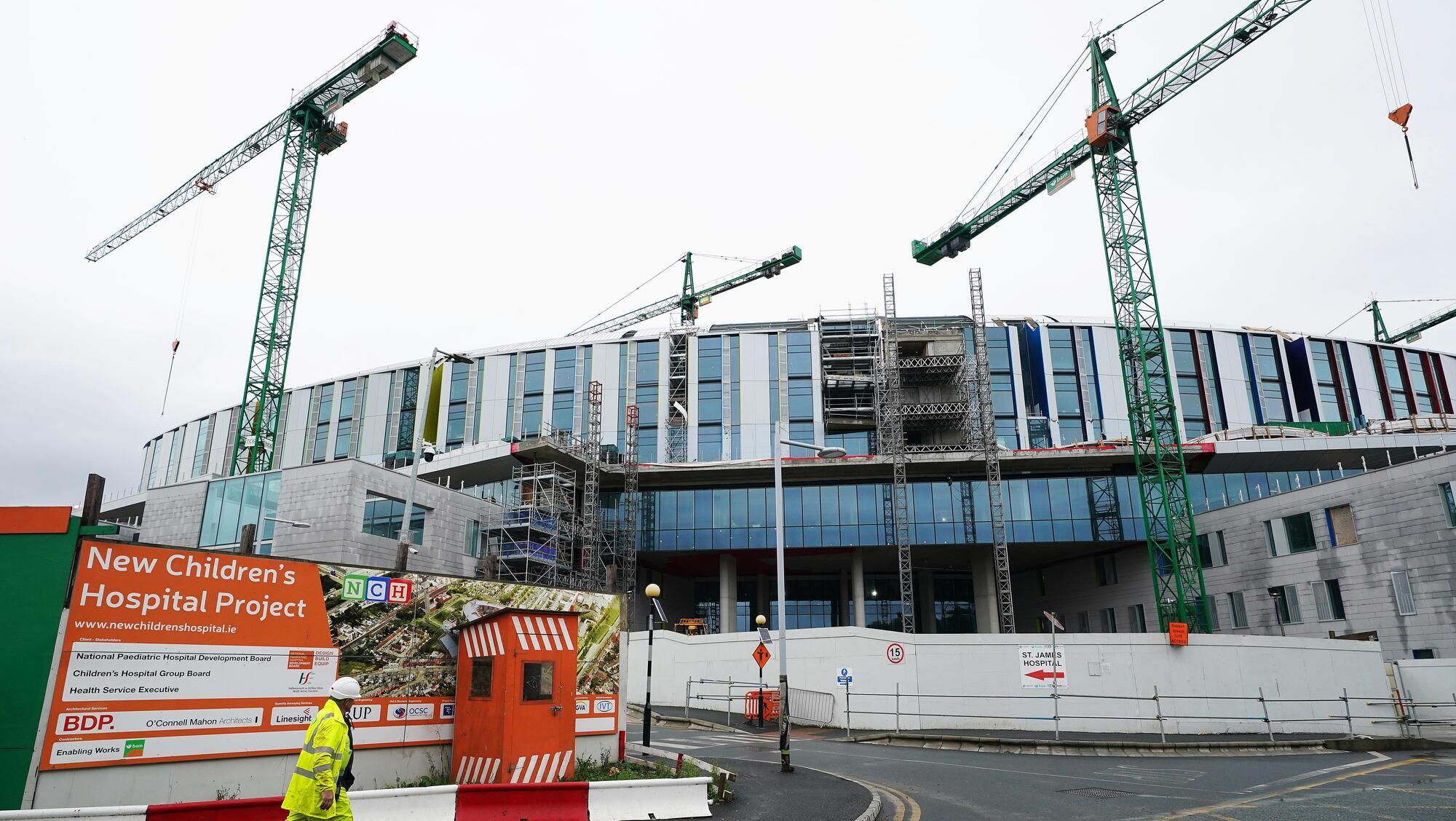
The National Children's Hospital has become the most scrutinised construction project in the history of the Irish state. When planning permission was granted for the facility at the St James's Hospital campus in Dublin in 2016, the projected cost was €987 million. That figure has since risen to €2.24 billion, making it one of the most expensive hospital projects per bed in the world. The escalation has been driven by a combination of factors: design changes, construction defects, disputes over responsibility for delays, and the broader inflation in construction costs that has affected major projects across Ireland and Europe.
BAM Ireland, the Dutch-owned construction company that won the contract to build the hospital, has been in a state of near-continuous dispute with the National Paediatric Hospital Development Board since construction began. The relationship between the two parties has been characterised by mutual accusations of inadequate management, poor quality control, and failure to meet contractual obligations. The NPHDB has cited "inadequate quality assurance" and a failure to properly resource the project as primary factors for delays, while BAM has argued that the board's management of the design process and its response to unforeseen site conditions have contributed significantly to the cost overruns.
The hospital, when it eventually opens, will be the largest children's hospital in Ireland and one of the largest in Europe, providing specialist paediatric services that are currently delivered across three separate Dublin hospitals — Our Lady's Children's Hospital in Crumlin, the Children's University Hospital in Temple Street, and the National Children's Hospital in Tallaght. The consolidation of these services on a single campus has been a priority for successive governments and for the medical community, and the delays have had real consequences for children and families who continue to receive care in facilities that are no longer fit for purpose.
Key Developments
The €983 million in claims submitted by BAM represents 3,407 individual substantiated claims, covering a wide range of disputed costs including delays, design changes, and what the contractor describes as unforeseen site conditions. The NPHDB has determined and awarded approximately €110 million of this total — around 7% — with the remainder either under review, disputed, or before the courts.
Six disputes are currently before the High Court, and a conciliator recently rejected a separate BAM claim for nearly €100 million related to "reflected ceiling plans" — a decision that the NPHDB described as a significant vindication of its position. The board is currently withholding 15% of payments due to the absence of a compliant project completion programme, a measure that reflects the ongoing uncertainty about when the hospital will actually be finished.
The completion date has been shifted twenty times since construction began, a record that has become a byword for project mismanagement in Irish public discourse. BAM's most recent revised programme has not been accepted by the NPHDB as compliant, meaning that the hospital's opening date remains genuinely uncertain. The board has indicated that it will not speculate about a completion date until a credible programme is in place.
Why It Matters
The children's hospital saga has become a defining issue in Irish public life, touching on questions of procurement, governance, accountability, and the capacity of the Irish state to deliver major infrastructure projects. The €2.24 billion cost — which will ultimately be borne by the taxpayer — represents a significant diversion of resources from other health priorities, and the delays have prolonged the suffering of children and families who need the specialist services the hospital will provide.
The scale of BAM's claims — €983 million against a contract value that has already more than doubled — raises fundamental questions about the adequacy of the original contract and the due diligence applied to the procurement process. The Public Accounts Committee has repeatedly examined the project, and its reports have been highly critical of both the NPHDB and the Department of Health. The Comptroller and Auditor General has also raised concerns about the governance arrangements surrounding the project.
Local Impact
For families in Dublin and across Ireland who are waiting for the specialist paediatric services that the new hospital will provide, the continued delays are a source of profound frustration and, in some cases, genuine hardship. Children requiring complex cardiac surgery, oncology treatment, and other specialist interventions continue to be treated in facilities at Crumlin, Temple Street, and Tallaght that were not designed for the volume or complexity of cases they now handle. The HSE has implemented a range of interim measures to manage demand, but these are acknowledged to be inadequate substitutes for the purpose-built facility that was promised. The St James's Hospital campus in Dublin 8, where the new hospital is being built, has experienced significant disruption to its existing services during the construction period.
What's Next
The High Court cases involving BAM's disputed claims are expected to be heard over the coming months, with judgments likely to take at least a year to emerge. The NPHDB has indicated that it will continue to defend claims it considers without merit and to withhold payments where contractual conditions have not been met. A new project completion programme from BAM is expected before the end of 2026, and the NPHDB will assess whether it meets the required standard. The Minister for Health is expected to make a statement to the Dáil on the project's status when the Oireachtas returns from recess.