Centuries-Old Wexford Graveyard Desecrated as 18 Headstones Smashed in Taghmon Attack
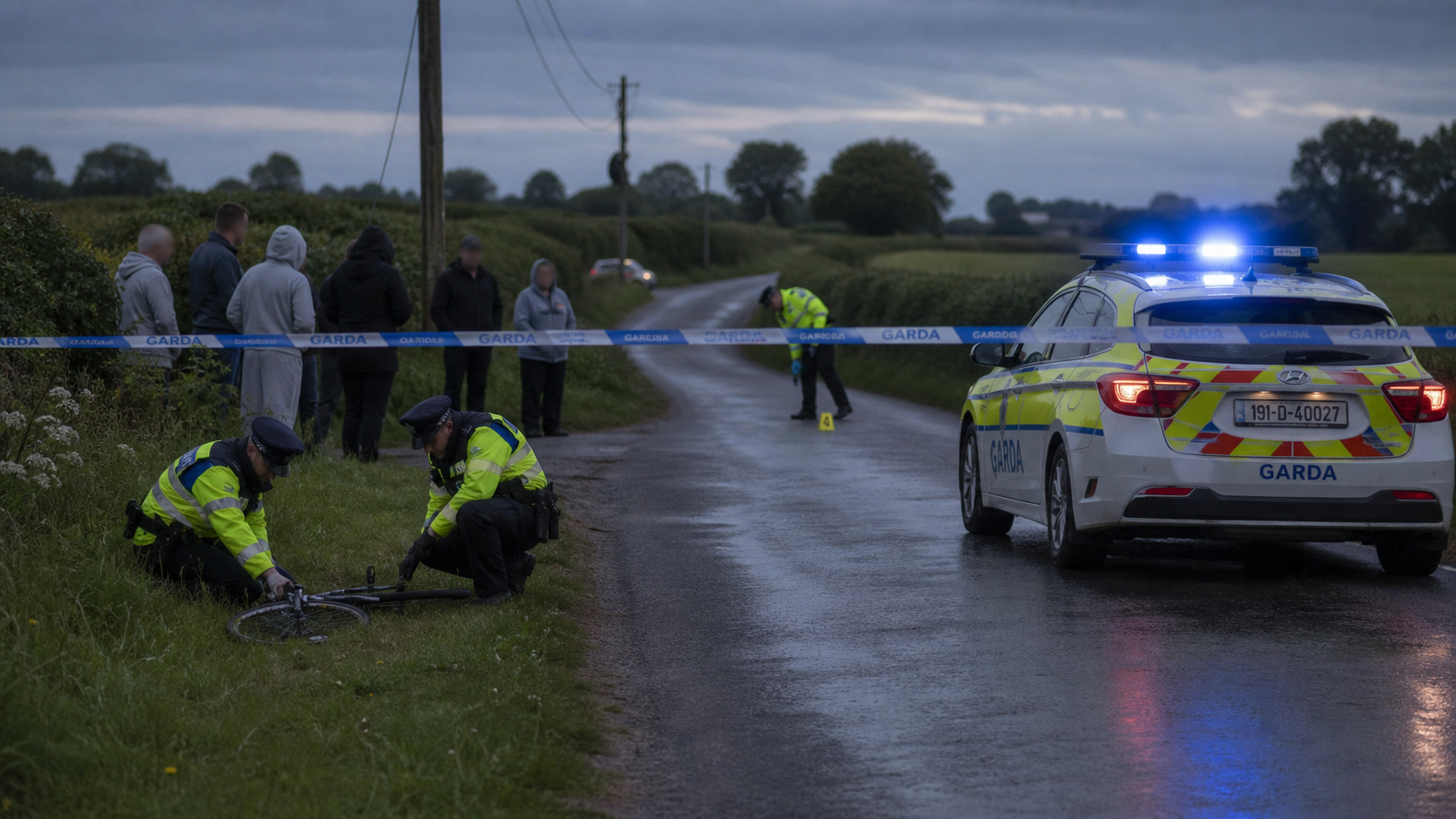
An Garda Síochána has launched a formal investigation after 18 headstones were smashed, granite plinths displaced, and a cast-iron Celtic cross destroyed at the historic Monachán graveyard in Taghmon, County Wexford — a burial site containing graves dating to the seventeenth and eighteenth centuries that has served as a shared resting place for both Catholic and Protestant families for generations.
Background
The Monachán graveyard in Taghmon is one of the oldest burial sites in south County Wexford, with headstones and grave markers dating back to the 1600s and 1700s. The site has historically served as a shared burial ground for both Catholic and Protestant families in the area — a relatively rare example of cross-community use that reflects the particular social history of County Wexford, where the 1798 Rebellion created complex and sometimes unexpected bonds between communities that might otherwise have remained separate.
Like many historic rural graveyards in Ireland, Monachán has been maintained largely by volunteers from the local community, who have worked to preserve the site's integrity and ensure that the graves of their ancestors remain accessible and respected. The graveyard is not a tourist attraction in any formal sense — it is a living community resource, visited regularly by local families and by those researching their genealogy.
The vandalism, which occurred over an extended period between April 20 and July 27, 2026, was discovered and reported to An Garda Síochána in early August. The scale and nature of the damage — involving the breaking of heavy stone and the destruction of a cast-iron cross — led local officials to conclude that the act was deliberate and premeditated, likely requiring multiple individuals and tools including sledgehammers.
Key Developments
Aontú Councillor Jim Codd, who visited the site following the discovery of the damage, described the destruction as "horrifying" and "sickening." He noted that the scale of the damage — 18 headstones smashed or pulled from the ground, granite plinths displaced, stones removed from the cemetery walls, and a cast-iron Celtic cross smashed off a wall — was inconsistent with opportunistic vandalism and suggested a sustained and deliberate campaign of destruction.
An Garda Síochána has confirmed that the damage occurred between April 20 and July 27, 2026, and has appealed to the public for information. Investigators are specifically requesting that residents, businesses, and road users in the Taghmon area provide any relevant CCTV, dashcam, or video footage that might assist in identifying those responsible. Information can be directed to Wexford Garda Station at 053 916 5200 or the Garda Confidential Line at 1800 666 111.
Why It Matters
The desecration of a historic graveyard is an attack on something that cannot be replaced. The headstones destroyed at Monachán are not merely stones — they are the physical record of families, lives, and communities that would otherwise be lost to history. For the descendants of those buried at the site, the destruction of their ancestors' grave markers is a deeply personal violation. For the wider community of Taghmon and south Wexford, it is an assault on a shared heritage that belongs to everyone.
The cross-community character of the Monachán graveyard gives the attack a particular resonance. In a county where the memory of 1798 still shapes community identity, a burial ground that has served both Catholic and Protestant families represents something genuinely precious — a physical embodiment of the possibility of shared history. The destruction of that site is not merely criminal damage; it is an act of cultural erasure.
Ireland has seen a number of attacks on historic graveyards and heritage sites in recent years, prompting calls for better protection of vulnerable sites. Many rural graveyards are not covered by CCTV, are not regularly inspected, and have no formal management structure — making them easy targets for vandalism that may go undetected for weeks or months.
Local Impact
For the families of those buried at Monachán, the damage is irreparable in the most literal sense. Headstones that have stood for two or three centuries cannot simply be replaced — the inscriptions, the craftsmanship, and the physical connection to the past are gone. Local genealogists and historians have expressed particular concern about the loss of inscriptions that may have been the only surviving record of certain family names and dates. The community of Taghmon has rallied around the affected families, with local volunteers already beginning the process of documenting the damage and exploring what restoration might be possible.
What's Next
The Garda investigation is ongoing, with investigators appealing for any information that might identify those responsible. The local council is expected to consider what additional protective measures might be put in place at Monachán and other vulnerable historic graveyards in the county. The Heritage Council has been contacted regarding the possibility of emergency conservation funding to stabilise and document the surviving elements of the damaged graves.