Central Bank Warns Government Against Broad Cost-of-Living Measures in Budget 2027 to Avoid Stoking Inflation
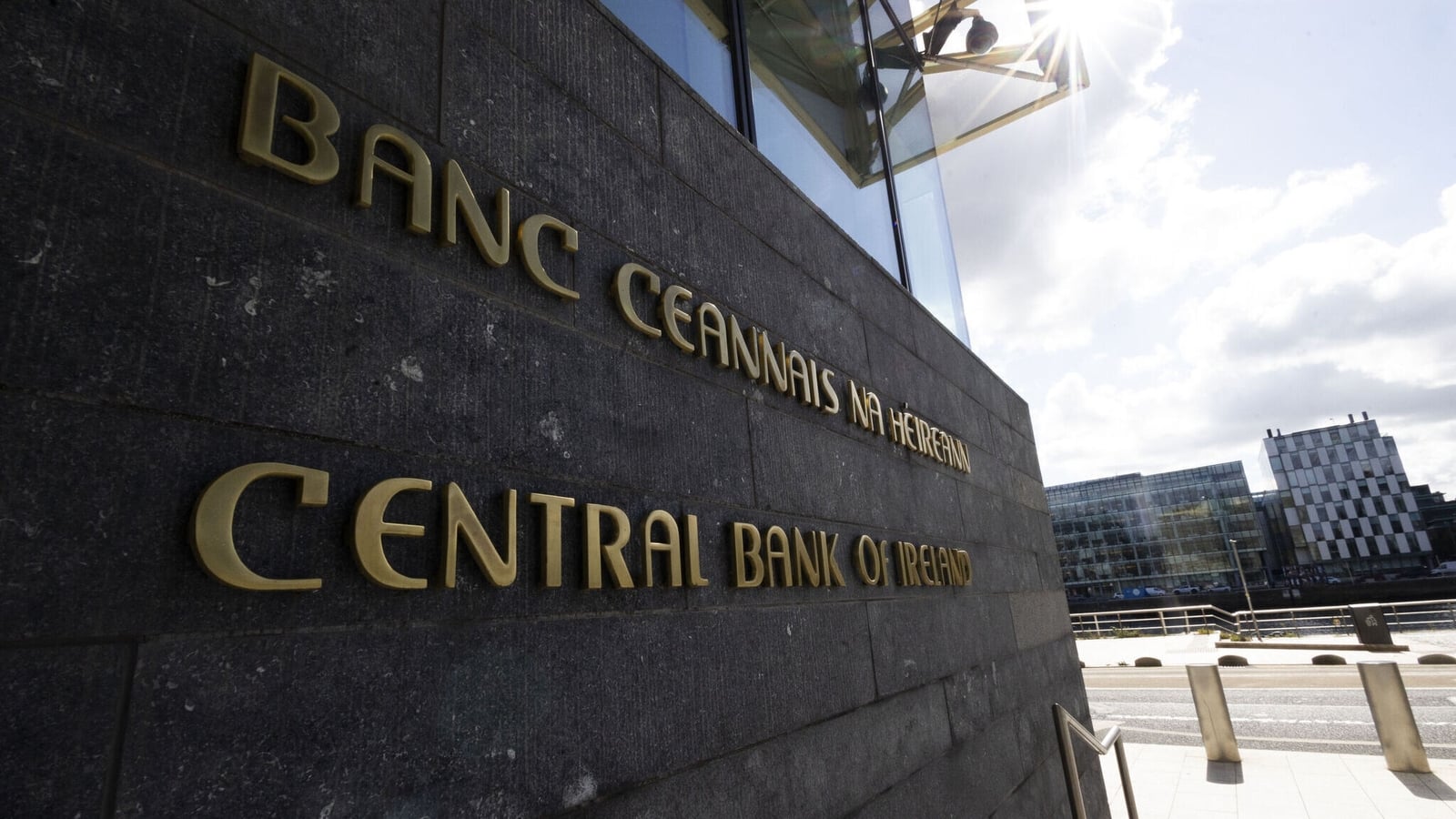
The Central Bank of Ireland has issued a formal warning to the government against introducing broad cost-of-living support measures in Budget 2027, cautioning that such interventions risk exacerbating inflationary pressures in an economy that is already operating under significant strain from geopolitical instability and structural fiscal risks.
Background
Budget 2027 is being prepared against a backdrop of considerable economic complexity. Ireland's headline growth figures remain strong, with the Central Bank revising its economic growth forecast upward to 3.8 per cent, but the underlying picture is more nuanced. The government's Summer Economic Statement confirmed that while spending on day-to-day services and infrastructure will increase by €7 billion to €125.5 billion, the capacity for new measures is limited, making it the "tightest" budget since before the Covid-19 pandemic.
The fiscal position is complicated by Ireland's exceptional dependence on corporation tax revenues. Approximately 56 per cent of corporation tax payments are generated by only ten companies, and corporation tax now accounts for 23 per cent of total government revenue. Central Bank Governor Gabriel Makhlouf has warned that these revenues are highly unstable and vulnerable to shifts in global market sentiment or changes in multinational activity. If current spending trends continue, the underlying public finance deficit — excluding volatile corporation tax receipts — could reach €25.7 billion by 2030, compared to a baseline forecast of €20.4 billion.
The government is also facing warnings that public spending overruns are likely to exceed €1.4 billion in the current year, placing pressure on Cabinet ministers to make difficult trade-offs. A new government levy is expected to impact funding for state bodies including Uisce Éireann, the IDA, and Fáilte Ireland, adding further complexity to the budgetary arithmetic.
Key Developments
The Central Bank's warning against broad cost-of-living measures is directed at the type of universal energy credits and lump-sum payments that were introduced in previous budgets to help households cope with rising prices. While those measures were widely welcomed at the time, the Central Bank has consistently argued that broad, untargeted supports risk adding to inflationary pressure by increasing aggregate demand in an economy that is already operating close to capacity.
The bank has also cautioned that the economy is not "shock-proof." In a severe scenario, inflation could reach nearly 5 per cent in 2027, driven by international instability, particularly in the Middle East, where the ongoing conflict has exerted upward pressure on wholesale oil and gas prices from February 2026 onwards. The Department of Finance has separately identified the potential for an "AI bubble" correction in global markets as a risk that could transmit through lower multinational investment and weaker domestic demand.
Irish borrowing costs have escalated to levels not seen since the bailout era, with the National Treasury Management Agency expected to conduct one additional bond auction before the year concludes. The NTMA's borrowing programme has been complicated by the global interest rate environment, which has remained higher for longer than many forecasters anticipated.
Why It Matters
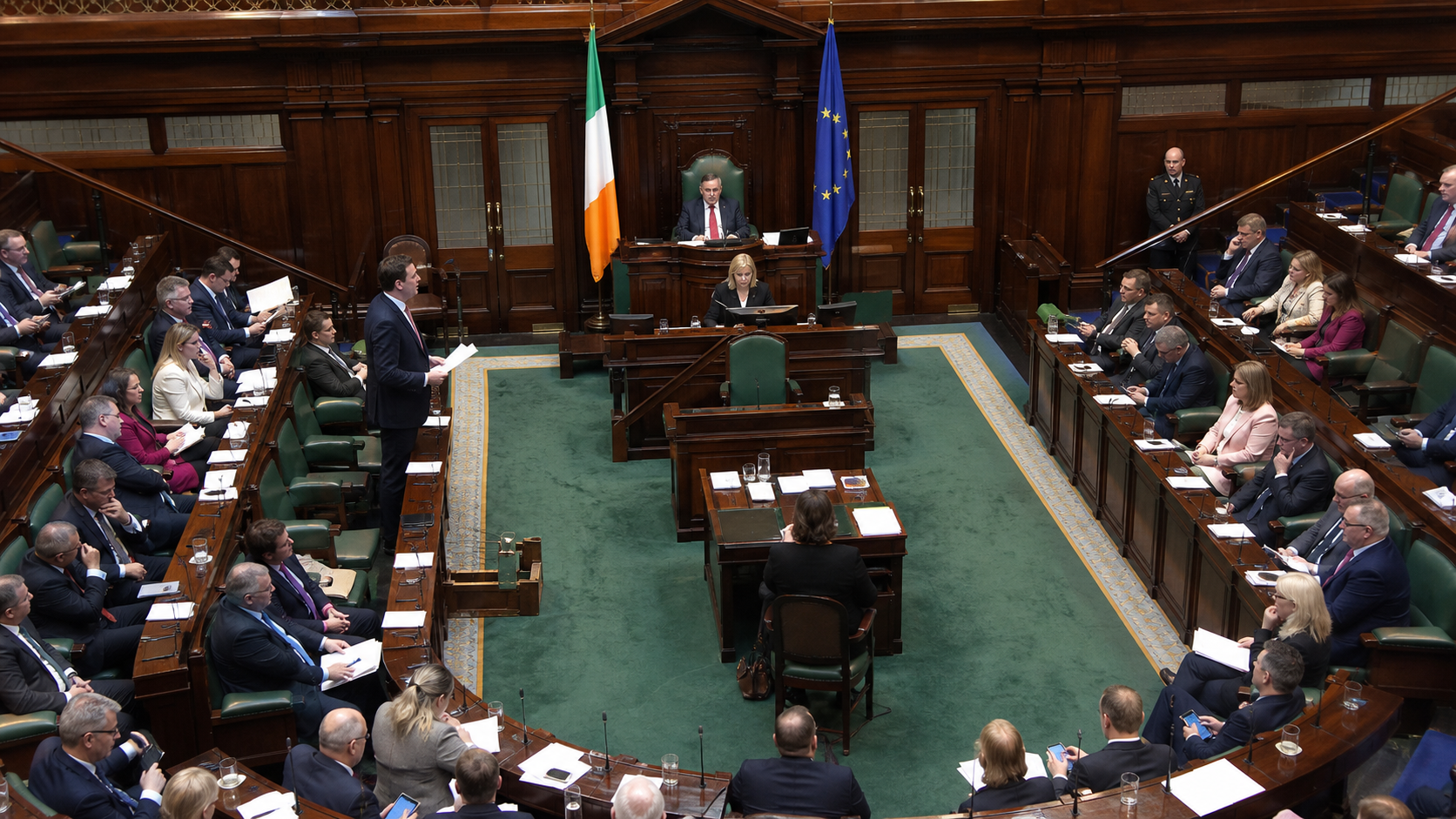
The Central Bank's warning places the government in a difficult political position. Opposition parties, including Sinn Féin and the Social Democrats, have been calling for significant cost-of-living relief in Budget 2027, pointing to the continued pressure on household budgets from high rents, energy costs, and food prices. The government's coalition partners — Fine Gael, Fianna Fáil, and the Green Party — are also under pressure from their own backbenchers to deliver tangible relief for voters ahead of the next general election. The Central Bank's intervention provides political cover for a more restrained approach, but it also risks being characterised by opposition parties as the government hiding behind technocratic advice to avoid difficult decisions. The tension between the bank's fiscal caution and the political imperative to be seen to help struggling households is likely to be one of the defining dynamics of the budget debate over the coming weeks.
Local Impact
For households across Ireland, the budget debate has immediate practical significance. Energy costs remain elevated, with Electric Ireland having implemented price increases in May and July 2026, and the government's decision on whether to extend the household energy credit scheme will directly affect millions of families. In Dublin, where rents continue to rise and the housing market remains severely constrained, the budget's housing measures will be closely scrutinised. In rural areas, where dependence on home heating oil is high and public transport alternatives are limited, the cost of energy is a particularly acute concern. The Central Bank's warning does not preclude targeted measures for the most vulnerable households, and the government is expected to focus any cost-of-living supports on those with the lowest incomes rather than universal payments.
What's Next
Budget 2027 is scheduled to be announced on 14 October 2026. The government is expected to publish its pre-budget economic and fiscal outlook in the coming days, which will set out the parameters within which the budget will be framed. The Irish Fiscal Advisory Council is also expected to publish its pre-budget assessment before the end of September. Opposition parties have until the end of the month to submit their alternative budget proposals to the Oireachtas Budget Office for costing. The Central Bank's formal pre-budget letter to the Minister for Finance is expected to be published in full before the budget announcement.