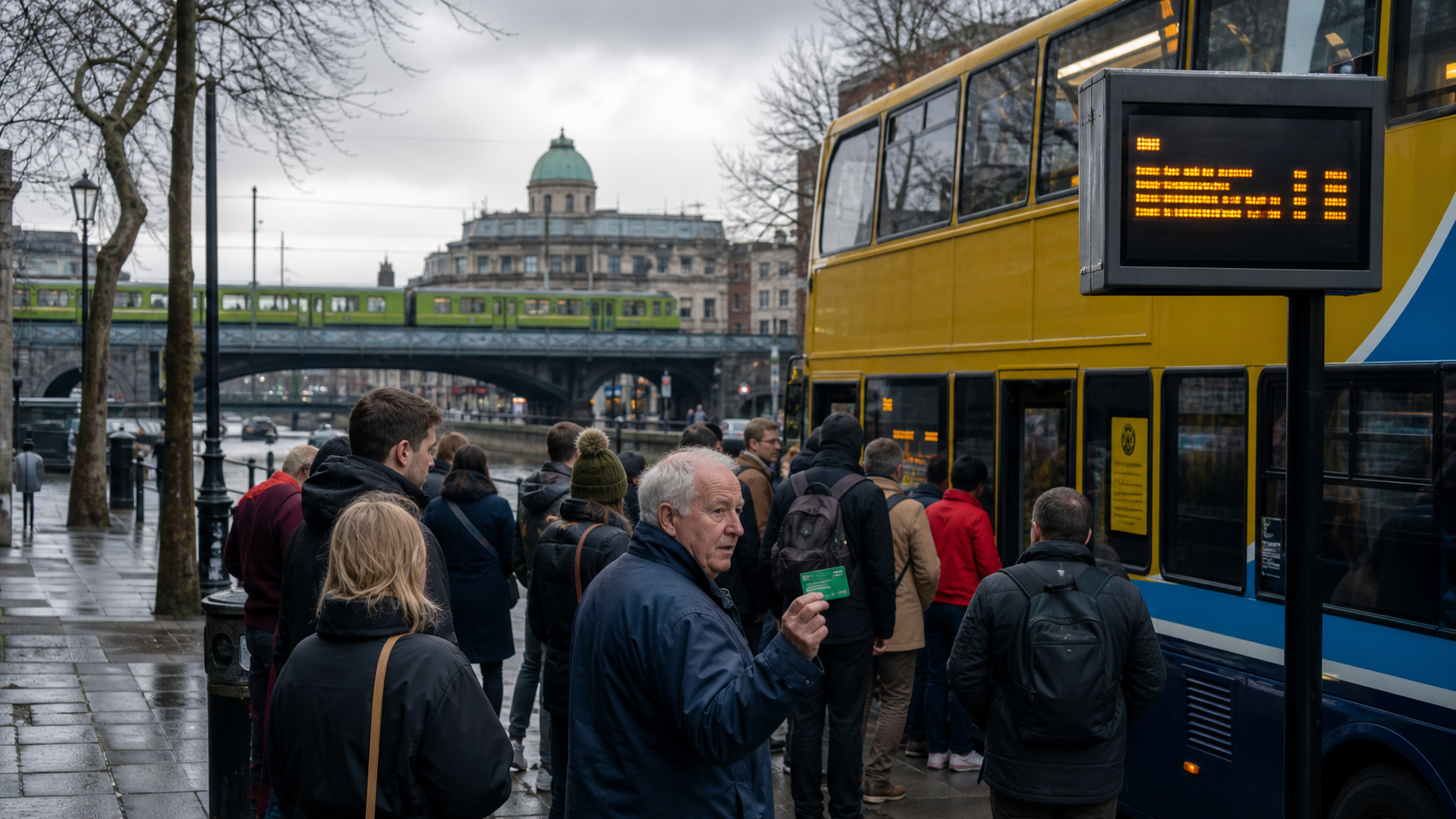
Bus and Train Fares to Rise as NTA Announces First Increase Since 2020 Pandemic Cuts
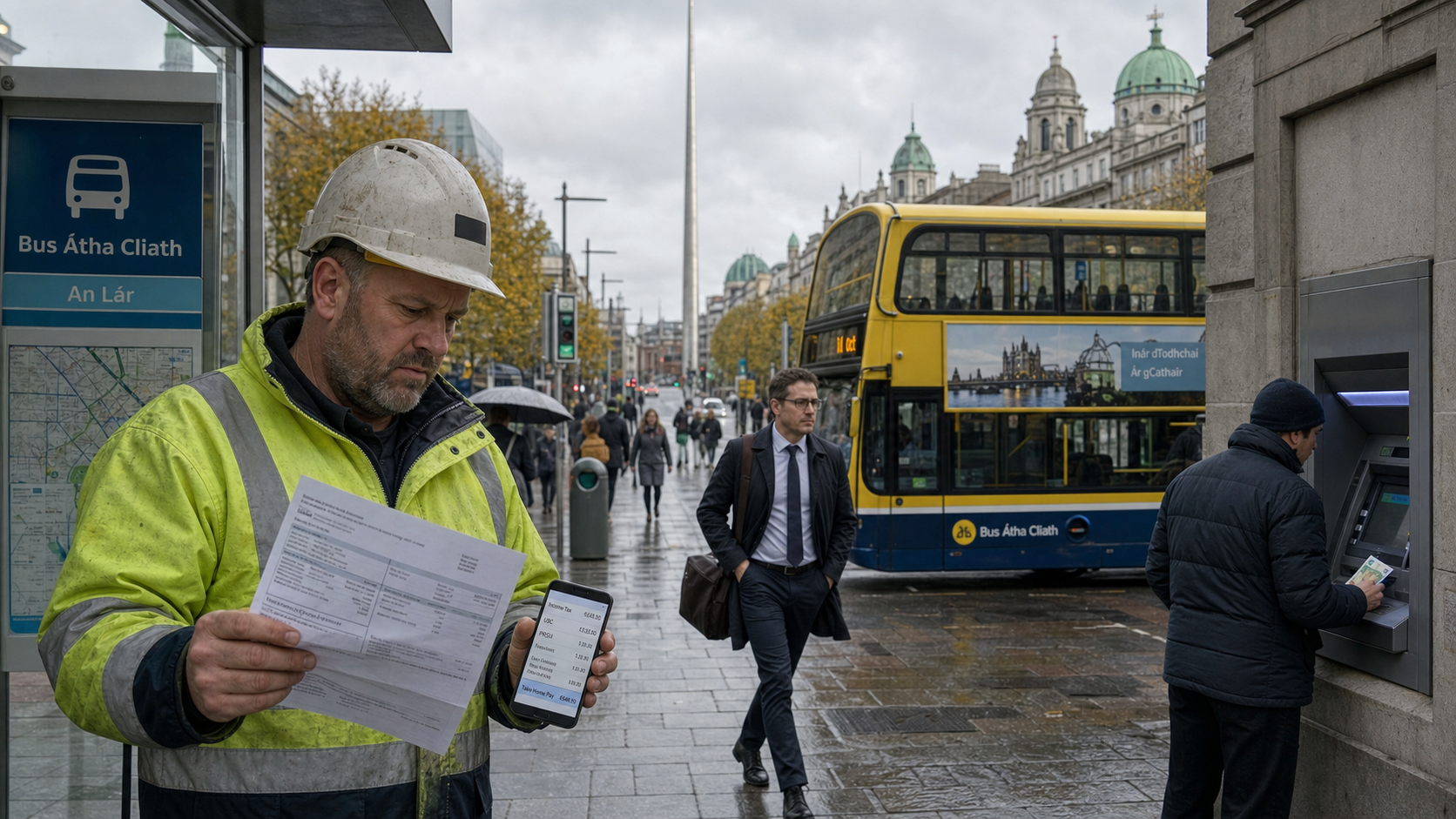
The National Transport Authority is set to announce increases in bus and train fares across Ireland, in what would be the first significant upward revision to public transport pricing since the pandemic-era cuts of 2020, as the authority faces mounting pressure from rising operating costs and a government preparing to reassess transport subsidies ahead of Budget 2027.
Background
Ireland's public transport fares have been subject to a series of reductions and freezes since 2020, when the government introduced a range of measures to encourage modal shift away from private cars and to support the recovery of public transport usage following the Covid-19 pandemic. The most significant of these was a 20 per cent reduction in fares introduced in 2022, which was subsequently maintained and extended as part of the government's cost-of-living response package.
The National Transport Authority, which sets fares for Dublin Bus, Bus Éireann, Irish Rail, and the Luas, has been operating under a fares determination framework that has kept prices broadly stable for several years. However, the authority has been under increasing pressure from the major CIÉ operators — Dublin Bus, Bus Éireann, and Irish Rail — who have argued that rising fuel costs, wage inflation, and the cost of fleet renewal are making the current fare structure financially unsustainable without additional state subsidy.
The government has been providing substantial subvention to the public transport sector to maintain the reduced fare levels, but with Budget 2027 approaching and competing demands on the public finances, there is growing pressure to reassess the level of subsidy and to allow fares to rise modestly to reflect increased operating costs. The NTA's fares determination process, which sets prices for a multi-year period, is due for review.
Key Developments
The NTA is expected to announce fare increases that will affect a range of services, including Dublin Bus, Bus Éireann intercity and commuter routes, and Irish Rail. The precise scale of the increases has not been confirmed, but industry sources suggest that the changes will be structured to minimise the impact on regular commuters using Leap cards, with cash fares likely to see larger proportional increases.
The Taoiseach has not ruled out cutting excise duty on alcohol in Budget 2027, and the government is also considering an income tax package that could exceed €1.5 billion if additional revenues are secured. The fare increase announcement is expected to be framed as a necessary adjustment to ensure the long-term financial sustainability of the public transport network, rather than a reversal of the government's commitment to affordable public transport.
The NTA has previously indicated that its fares strategy focuses on creating an equitable, distance-based fare structure across Ireland, and that any rebalancing of fares is not intended to increase overall fare revenue but to ensure consistency across the network. However, critics have argued that any fare increase, however structured, will disproportionately affect lower-income commuters who depend on public transport and have limited ability to absorb additional costs.
Why It Matters
Public transport fares are a politically sensitive issue in Ireland, where car dependency remains high and the public transport network outside Dublin is widely regarded as inadequate. The government's decision to reduce fares in 2022 was broadly welcomed as a progressive measure that made public transport more accessible and helped to reduce the cost of living for regular commuters. Any reversal of that policy, even a partial one, is likely to attract significant political opposition.
The timing of the announcement — ahead of Budget 2027 — is significant. The government is under pressure to demonstrate fiscal responsibility while also maintaining its commitments on cost-of-living measures, and the fare increase decision will be closely scrutinised as an indicator of the government's priorities. For the approximately 200 million passenger journeys made on public transport in Ireland each year, even a modest fare increase represents a meaningful additional cost for regular users.
The increase also comes at a time when the government is seeking to encourage greater use of public transport as part of its climate action commitments. Higher fares risk undermining that objective by making private car use relatively more attractive, particularly for journeys where public transport is already less convenient than driving.
Local Impact
In Dublin, where public transport usage is highest, the fare increases will affect commuters on Dublin Bus routes across the city, from Clondalkin and Tallaght in the west to Clontarf and Raheny in the north, and from Rathfarnham and Dundrum in the south to Blanchardstown in the northwest. Irish Rail commuters on the DART and commuter rail lines serving Maynooth, Drogheda, Wicklow, and Kildare will also be affected. In Cork, the new integrated fare structure introduced in July 2026 has already resulted in price increases for some adult passengers, and further adjustments are expected. Bus Éireann intercity services connecting Galway, Limerick, Waterford, and other regional cities with Dublin will also see fare revisions.
What's Next
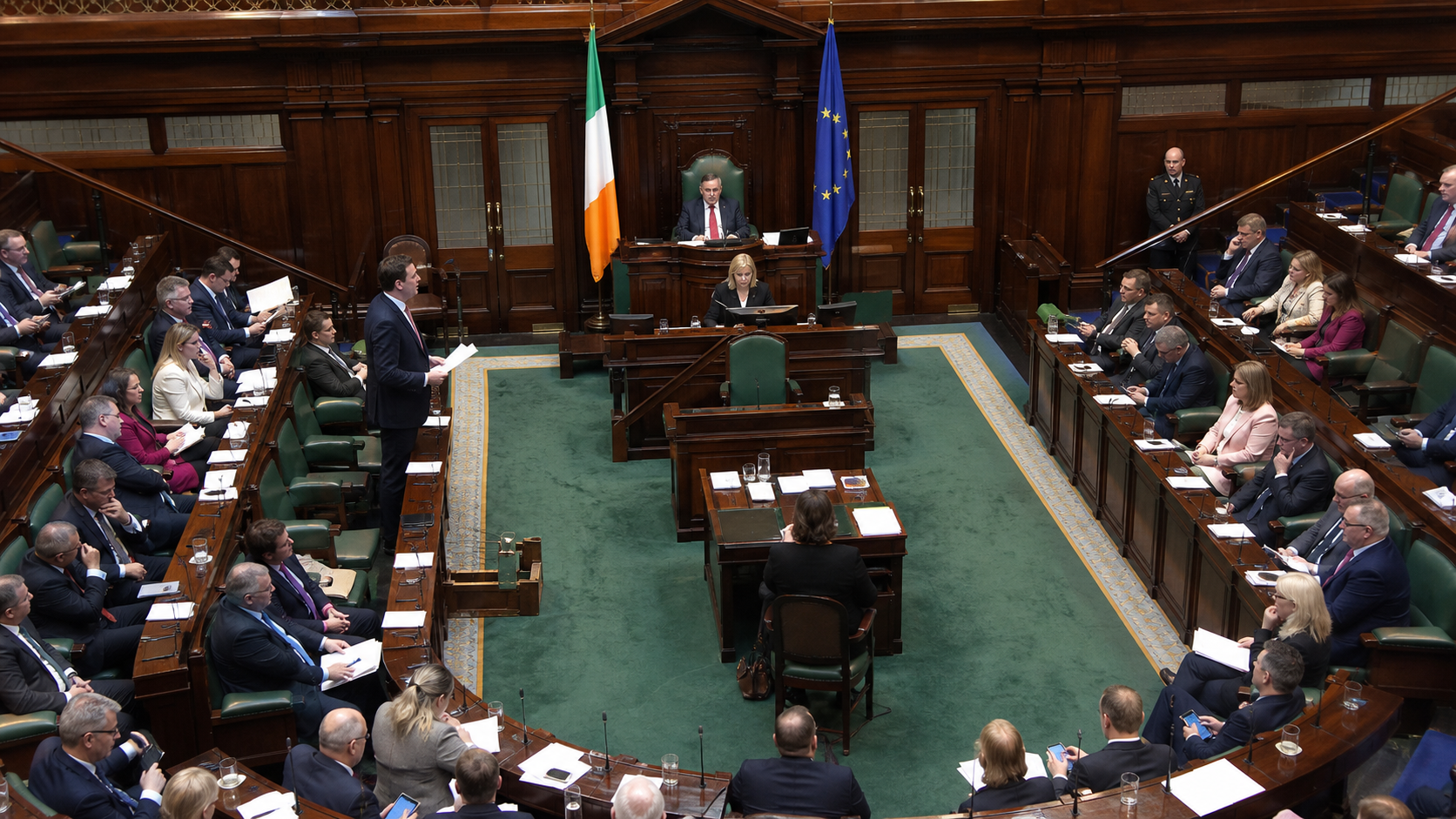
The NTA is expected to publish the formal fare determination in the coming weeks, with new prices taking effect from early 2027. The announcement will be subject to a public consultation period, during which passengers and advocacy groups will have the opportunity to make submissions. Transport Minister Darragh O'Brien is expected to address the Dáil on the matter when the Oireachtas returns from its summer recess later this month.