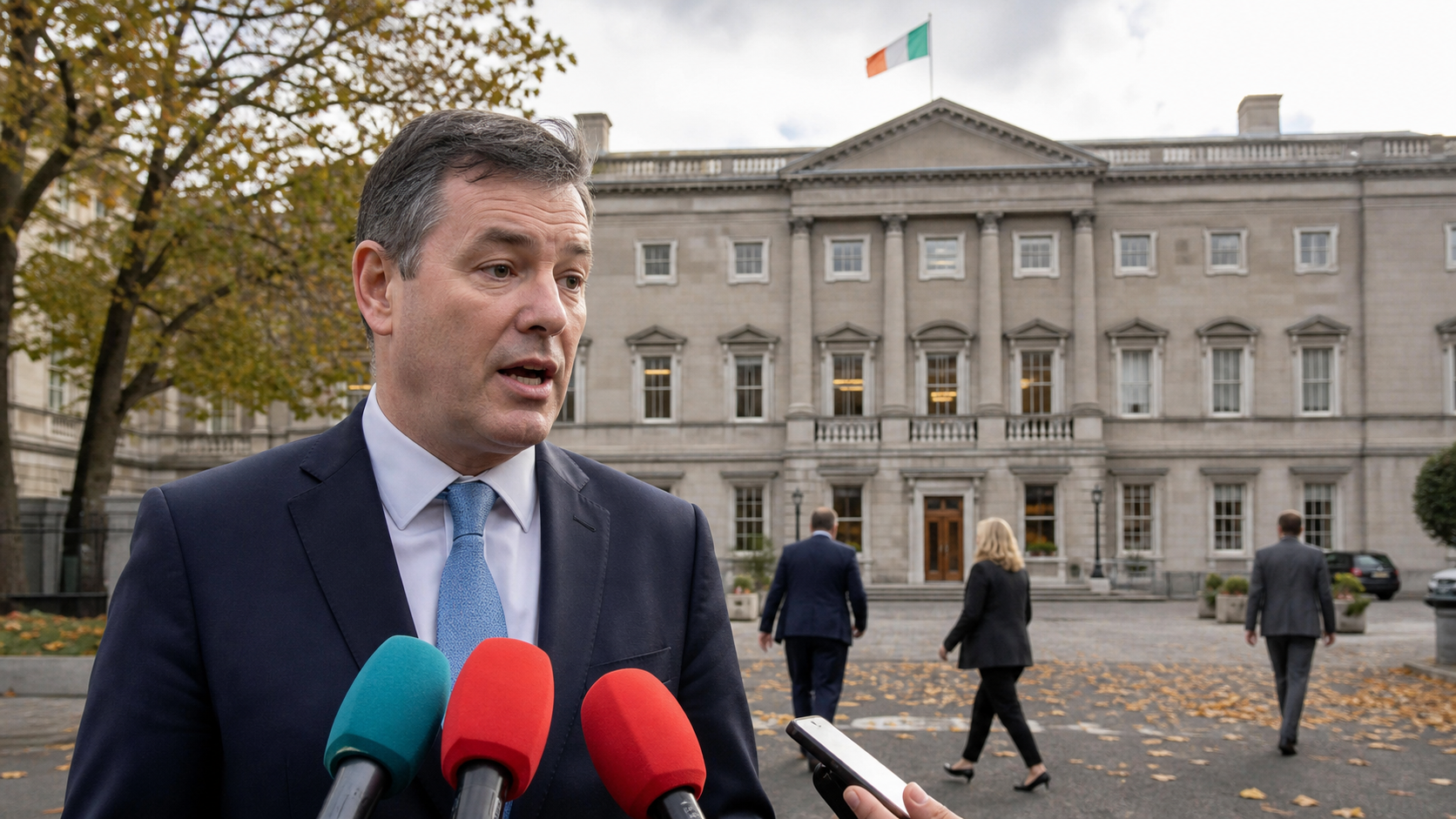
Budget 2027: Harris Pledges Income Tax Threshold Rise to €46,000 as Fine Gael Sets Four-Year Tax Trajectory
Tánaiste and Finance Minister Simon Harris has signalled that Budget 2027, scheduled for October 6, will raise the higher rate income tax threshold toward €46,000, delivering an estimated annual saving of approximately €400 for workers currently paying the 40% rate on earnings above €44,000. The commitment, outlined on Friday as Fine Gael's parliamentary party met to set its budget priorities, forms part of a four-year trajectory of income tax reform that Harris described as the centrepiece of the government's economic strategy.
Background
The point at which Irish workers enter the higher rate of income tax has been a persistent source of political debate for many years. At €44,000, the current threshold is widely regarded as too low relative to average earnings, meaning that a significant proportion of workers on middle incomes pay the 40% rate on a portion of their salary. Harris has described the current system as being "out of kilter" with international norms, arguing that it is unfair for workers to be pushed into the higher tax bracket when they receive wage increases or work overtime — effectively penalising productivity and ambition.
The Programme for Government agreed by Fine Gael, Fianna Fáil, and their coalition partners committed to a sustained programme of income tax reform over the lifetime of the government, with a focus on increasing tax credits and bands rather than one-off measures. Harris has been consistent in his messaging that the direction of travel for the next four years will be upward movement in the threshold, providing households and businesses with the certainty they need to plan their finances.
The overall budget package for 2027 is expected to be approximately €8.5 billion, with €1.5 billion specifically allocated for new tax measures. Harris has indicated that this envelope could potentially increase if the government identifies additional revenue streams, such as adjustments to the bank levy or excise duties, though he has cautioned against expectations of a significantly larger package given the global economic uncertainties created by energy price volatility and geopolitical tensions.
Key Developments
Speaking after the Fine Gael parliamentary party meeting on Friday, Harris confirmed that raising the higher rate threshold is the government's primary income tax priority for Budget 2027. The expected move to approximately €46,000 would represent a €2,000 increase on the current threshold and would deliver a saving of around €400 per year for workers currently paying the higher rate on earnings in that band. While modest in absolute terms, the measure is intended as the first step in a multi-year programme that will progressively reduce the burden on middle-income earners.
Harris also addressed a number of other tax issues that have been the subject of public debate. On Capital Gains Tax, he acknowledged that Ireland's 33% headline rate is "objectively too high" but cautioned that a significant headline reduction is unlikely in this budget given the limited size of the tax package. Instead, the government may focus on targeted enhancements to reliefs such as the Revised Entrepreneur Relief. On the Universal Social Charge, Harris confirmed there are no current plans for a reduction, though modest adjustments may be made to reflect increases in the minimum wage. A new tax-incentivised savings account for retail investors, inspired by models in the UK and Sweden, is also expected to feature in the budget.
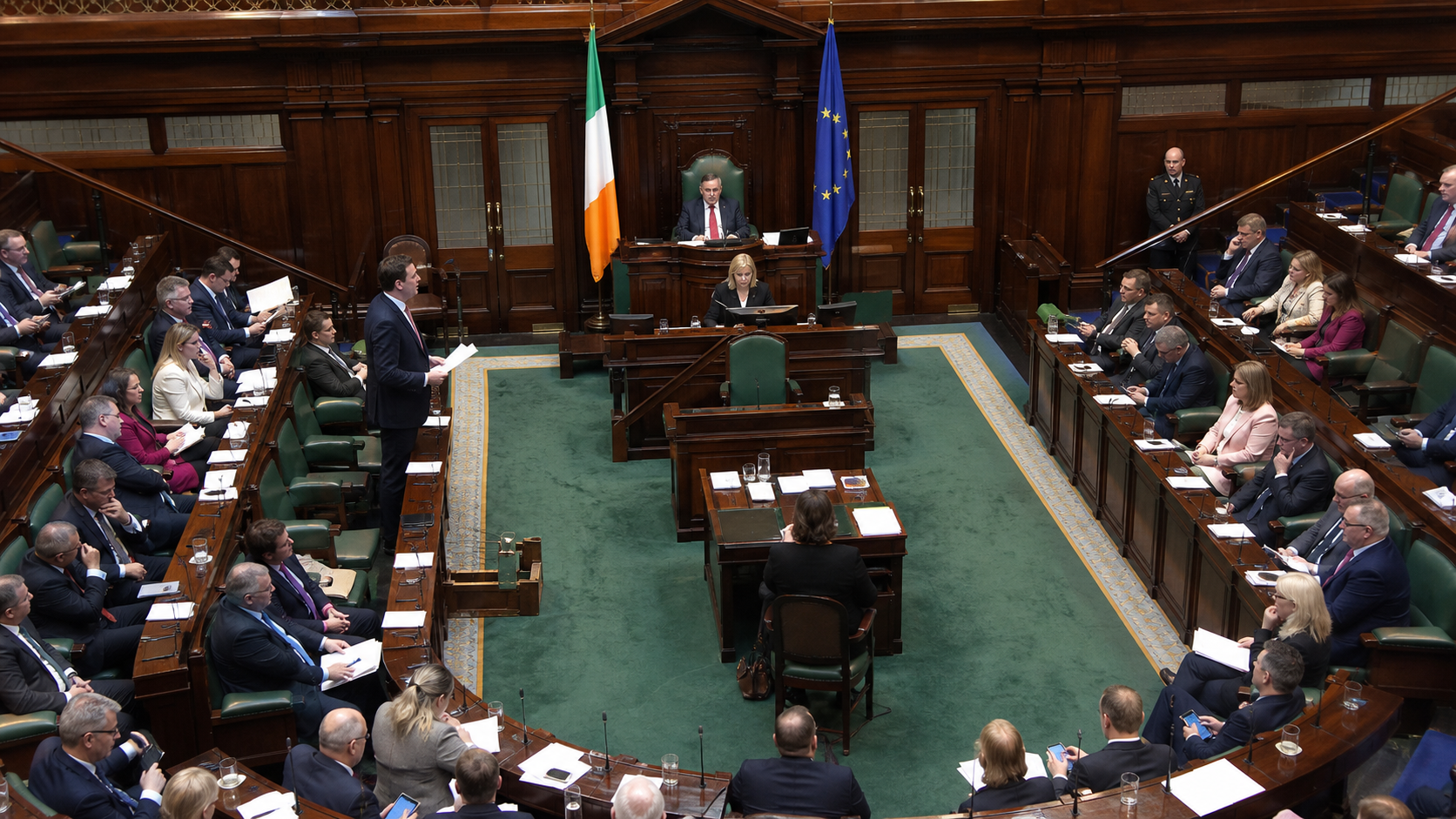
The budget will be presented to the Dáil on October 6, 2026, with the full package of tax and spending measures to be announced on that date. The government has been at pains to manage expectations in the run-up to the announcement, emphasising that the €8.5 billion package, while substantial, must be balanced against the need to maintain fiscal discipline and to invest in public services that have been under pressure for many years.
Why It Matters
The income tax threshold debate goes to the heart of a fundamental question about the Irish tax system: at what point should the state take a significantly larger share of a worker's earnings? The current threshold of €44,000 means that a nurse, a teacher, or a garda on a mid-career salary is paying the higher rate on a portion of their income — a situation that many regard as inequitable and that has contributed to the cost-of-living pressures facing middle-income households. The government's commitment to a four-year trajectory of reform provides a degree of certainty that has been absent from previous budget cycles, where tax changes were often announced as one-off measures without a clear long-term direction.
The broader fiscal context is also important. Ireland's public finances are in a relatively strong position, with corporation tax receipts from multinational companies providing a significant revenue cushion. However, the government has been warned repeatedly by the Fiscal Advisory Council and others that this revenue is volatile and should not be relied upon to fund permanent spending commitments. The decision to use a portion of the available fiscal space for income tax cuts rather than additional spending reflects a political judgement about the priorities of the electorate and the needs of the economy.
Local Impact
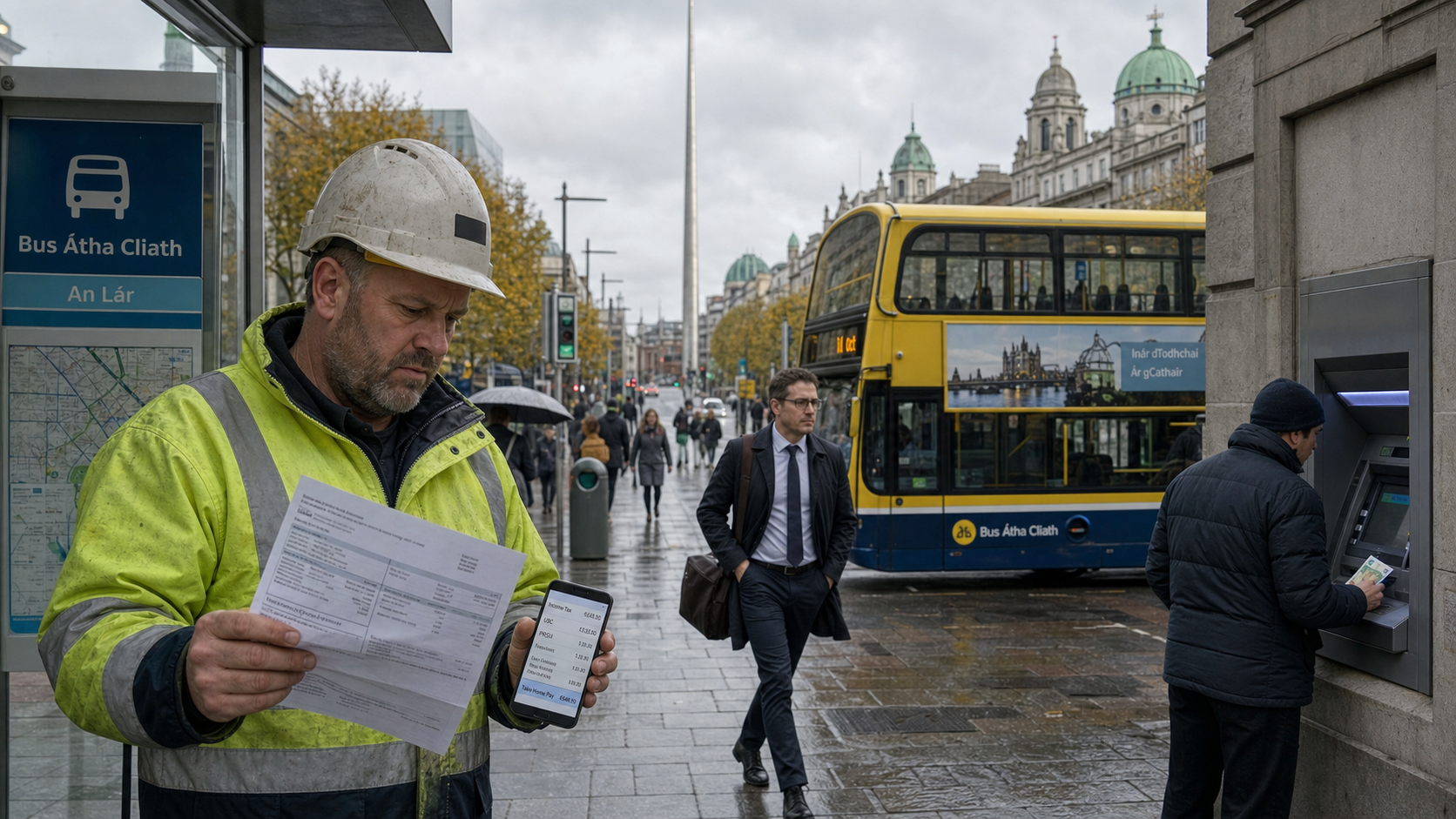
The income tax changes will affect workers across Ireland, but the impact will be felt most acutely in Dublin and other urban areas where the cost of living is highest and where middle-income earners face the greatest squeeze between their take-home pay and their housing, childcare, and transport costs. For a household with two earners both paying the higher rate on a portion of their income, the combined saving from the threshold increase could be in the region of €800 per year — a meaningful but not transformative amount in the context of Dublin's housing market. The broader package of budget measures, including any changes to childcare subsidies, public transport fares, and energy supports, will determine the overall impact on household finances.
What's Next
Budget 2027 will be presented to the Dáil on October 6, 2026. In the weeks leading up to the announcement, the government will continue to manage expectations and to engage with stakeholder groups across the economy. The Fine Gael parliamentary party meeting on Friday was the first in a series of pre-budget engagements that will shape the final package. The opposition parties, including Sinn Féin, which has proposed abolishing the USC on the first €40,000 of income, will present their alternative budget proposals in the coming weeks.