Bill to Remove Three-Day Abortion Wait Likely to Pass Despite Government Division as Committee Scrutiny Intensifies
A Sinn Féin Bill to abolish the mandatory three-day waiting period between an initial consultation and the commencement of an early abortion is likely to pass the Oireachtas despite significant opposition from within the government parties, as the Oireachtas Committee on Health intensifies its scrutiny of the legislation and the Irish College of General Practitioners argues that the mandatory wait can negatively impact patient care.
Background
The three-day waiting period was introduced as part of the Health (Regulation of Termination of Pregnancy) Act 2018, which gave legislative effect to the result of the May 2018 referendum in which 66.4% of voters approved the repeal of the Eighth Amendment. The waiting period requires a minimum of three days to elapse between a woman's initial consultation with a doctor and the commencement of a medical or surgical abortion in the first twelve weeks of pregnancy.
Supporters of the waiting period argued at the time that it provided a necessary period of reflection and ensured that decisions were made with full information. Critics, including women's health advocates and many medical professionals, argued that the period was not medically necessary, that it created practical barriers to access — particularly for women in rural areas or those with caring responsibilities — and that it was paternalistic in its assumption that women needed additional time to consider a decision they had already made.
The Sinn Féin Bill, which passed its second stage in the Dáil in June 2026 by 86 votes to 70, would remove the mandatory waiting period entirely, leaving the timing of the procedure to be determined by the patient in consultation with her doctor. The Bill has now moved to the Oireachtas Committee on Health for detailed scrutiny.
Key Developments
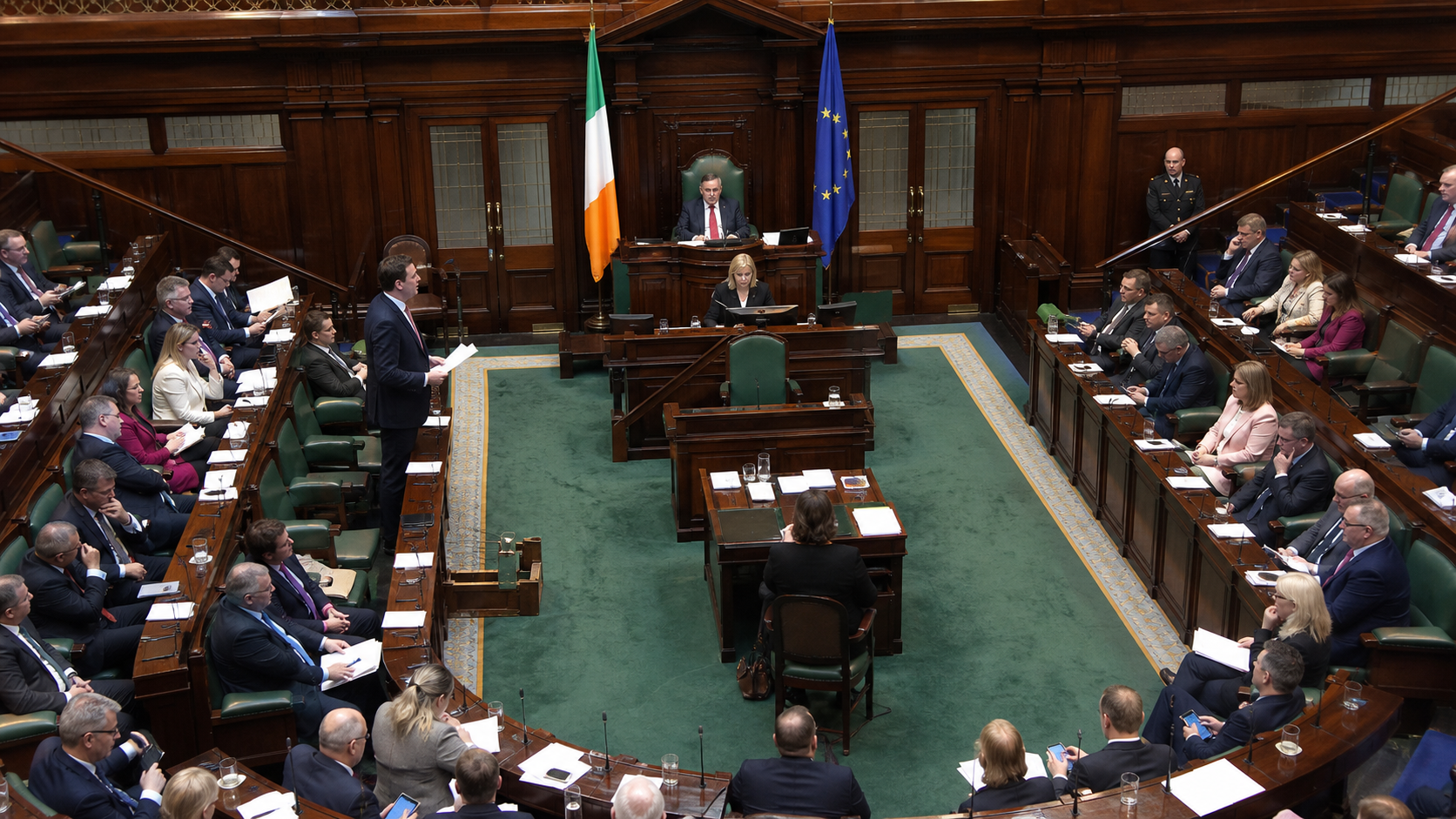
The committee hearings have exposed a significant divide within the government parties. While Taoiseach Micheál Martin, Tánaiste Simon Harris, and Minister for Health Jennifer Carroll MacNeill all supported the Bill at second stage, a majority of Fianna Fáil and Fine Gael TDs voted against it. Because abortion is treated as a matter of conscience, government politicians are permitted to vote according to their personal views rather than the party whip.
Within the health committee itself, five of the nine members — all from Fine Gael or Fianna Fáil — have expressed opposition to the Bill. Fine Gael TD Peter Roche argued that removing the wait would be a "betrayal" of the public that voted for the 2018 referendum, which he characterised as having established the current legislative framework as a settled matter. That argument has been contested by proponents of the Bill, who note that the referendum approved the principle of access to abortion services and did not specifically endorse the three-day waiting period as a permanent feature of the legislation.
The Irish College of General Practitioners has provided evidence to the committee that the mandatory waiting period can negatively impact care for some patients. The ICGP noted that the gestational limit for medical abortion is nine weeks and six days, and that the three-day wait can push some women beyond that limit, requiring hospital intervention rather than a simpler medical procedure. The college has advocated for a reflection period that is determined by the patient in consultation with her doctor, rather than being legally mandated.
The Irish Times reported that the Bill is likely to pass, based on analysis of the voting patterns at second stage and the composition of the Oireachtas. Sinn Féin, the Social Democrats, Labour, and the Green Party are expected to support the legislation, and their combined numbers are sufficient to carry it through the Dáil and Seanad even without majority government support.
Why It Matters
The debate over the three-day waiting period is part of a broader conversation about the implementation of the 2018 referendum result. While the referendum was a decisive moment in Irish social history, the legislation that followed has been criticised by women's health advocates for retaining restrictions that they argue are inconsistent with the spirit of the vote. The waiting period is one of several provisions that have been identified as potential barriers to access, alongside the requirement for two doctors to certify a termination in certain circumstances and the absence of abortion services in some parts of the country.
The political dynamics of the debate are also significant. The fact that the Taoiseach and Tánaiste support a Bill that a majority of their own parliamentary parties oppose illustrates the complexity of managing a coalition government on issues of conscience. The outcome of the committee stage will be closely watched as an indicator of the government's ability to navigate that complexity.
Local Impact
For women seeking abortion services in Ireland, the removal of the three-day waiting period would have practical implications that vary depending on their circumstances. For those in urban areas with easy access to GP services, the change would be relatively straightforward. For women in rural areas — particularly in the west and north-west, where GP access is already limited — the removal of the wait could make a meaningful difference to the timeliness and ease of access to care.
The HSE has indicated that it is monitoring the legislative process and will update its service delivery guidelines if the Bill is enacted. The National Women's Council of Ireland has welcomed the committee scrutiny and called on all members to support the legislation.
What's Next
The Oireachtas Committee on Health is expected to complete its scrutiny of the Bill by the end of October 2026. The legislation will then return to the Dáil for report stage and final vote, with a Seanad vote to follow. If enacted, the change would take effect immediately upon commencement of the Act. The government has indicated that it will publish updated clinical guidelines for GPs and other healthcare providers once the legislative position is clear.