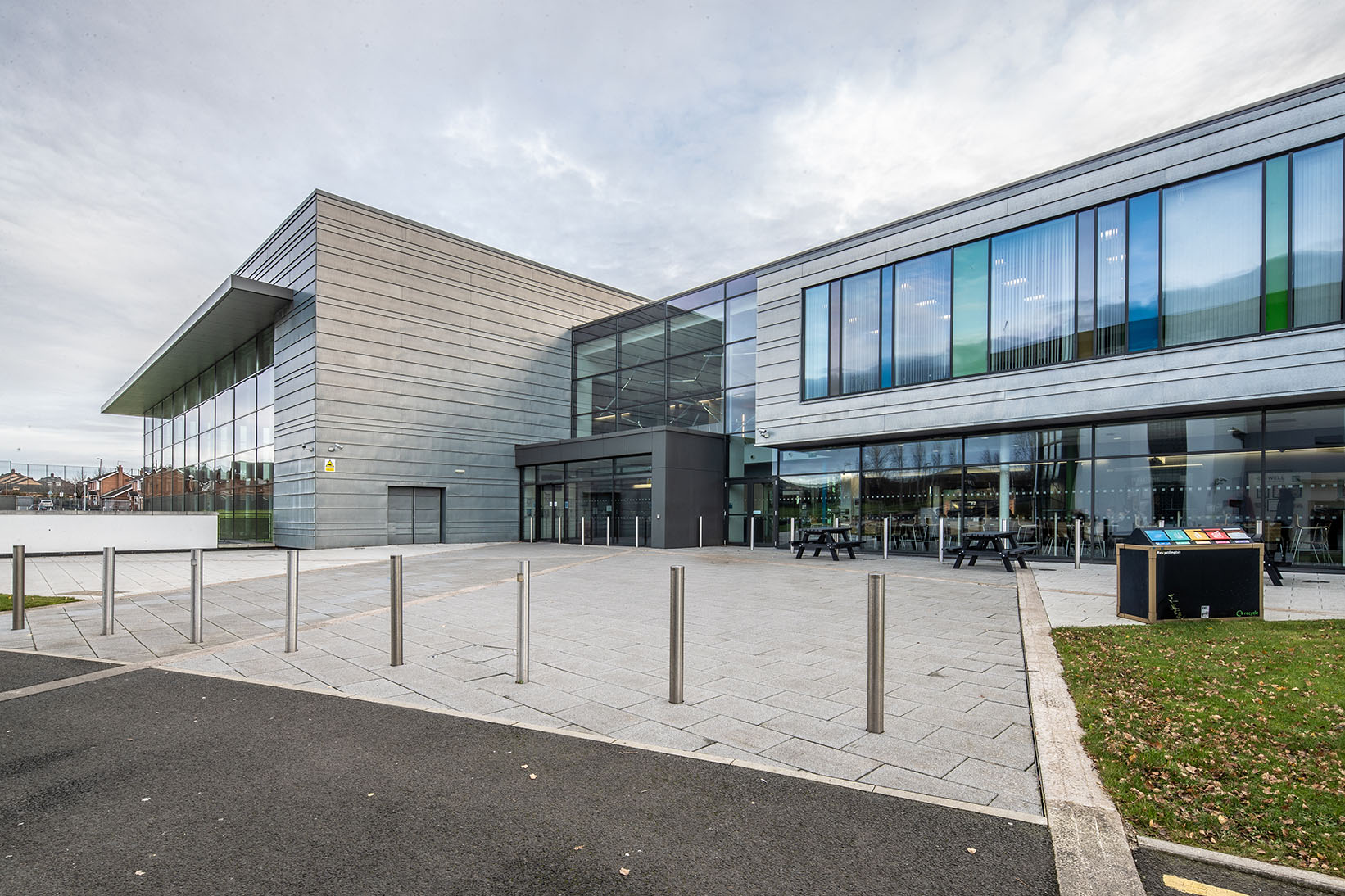
Belfast Met Slashes 2,681 Student Places as Stormont Budget Deadlock Inflicts £6.8m Funding Shortfall
Belfast Metropolitan College, the largest further and higher education institution in Northern Ireland, has been forced to cut approximately 2,681 student enrolment places for the 2026/27 academic year after receiving contingency funding worth only 94% of the previous year's budget — a shortfall of £6.8 million that has resulted in the cancellation or scaling back of courses ranging from GCSE French and Spanish to evening leisure classes in joinery, jewellery-making, and Tai Chi.
Background
Belfast Metropolitan College, commonly known as Belfast Met, serves tens of thousands of students across its campuses in Belfast city centre, Millfield, Titanic Quarter, and Castlereagh. It is the largest further education institution on the island of Ireland and plays a critical role in providing vocational training, adult education, and access routes to higher education for communities across Belfast and the wider region.
The college's funding crisis is a direct consequence of the Northern Ireland Executive's failure to agree a budget for the 2026/27 financial year. In the absence of a formal budget, Stormont departments have been operating under contingency arrangements that allow spending of up to 95% of the previous year's allocation. For Belfast Met, this translated into a resource shortfall of approximately £6.8 million — a gap that the college has been unable to bridge through savings alone.
The further education sector in Northern Ireland has been under sustained financial pressure for several years, with colleges arguing that their funding has not kept pace with rising costs or the growing demand for skills training. The current crisis, however, represents a qualitative escalation: Belfast Met's planned enrolments have been reduced from approximately 19,158 to 16,477, a loss of nearly 2,700 places that will have tangible consequences for thousands of prospective students.
Key Developments
The cuts have fallen most heavily on adult learners and those seeking flexible or community-based education. GCSE courses in French and Spanish have been withdrawn entirely, while GCSE English provision has been reduced. Evening A-level classes for adult learners — a lifeline for those who missed out on qualifications in their youth — have been scaled back significantly. English for Speakers of Other Languages (ESOL) programmes and essential skills training in maths, English, and IT have also been reduced, affecting some of the most vulnerable learners in the college's catchment area.
Leisure and community education classes — including DIY joinery, jewellery-making, bird watching, and Tai Chi — have been cancelled outright. While these may appear peripheral, they serve an important social function, providing structured activity and community connection for adults who might otherwise become isolated.
Councillor Brian Smyth described the situation as "unprecedented" and warned that the cuts would harm the city's skills pipeline and disproportionately impact women returning to the workforce, young people from working-class backgrounds, and adults seeking to retrain. College principal Damian Duffy said the cumulative effect of the cuts threatened learner choice, geographic access, and the skills infrastructure required for the Northern Ireland economy.
Why It Matters
Belfast Met's funding crisis is not an isolated incident — it is part of a wider pattern of cuts across Northern Ireland's further education sector, which is collectively planning to reduce enrolments by nearly 8,000 places for 2026/27. The scale of these reductions represents a significant contraction in the educational opportunities available to adults and young people across the region, at precisely the moment when the economy most needs a skilled and adaptable workforce.
The cuts also expose the human cost of Stormont's budget deadlock. While political leaders debate funding packages and negotiate with Westminster, it is ordinary citizens — the adult learner seeking a GCSE qualification, the woman returning to work after raising children, the young person from a disadvantaged background trying to access a vocational course — who bear the consequences. The further education sector has historically been one of the most effective mechanisms for social mobility in Northern Ireland, and its contraction will be felt for years.
Local Impact
In Belfast's working-class communities — in areas such as North Belfast, West Belfast, and East Belfast — Belfast Met's campuses are often the primary route into further education for adults who did not progress to university. The reduction in ESOL provision will affect migrant communities in the city centre and Titanic Quarter areas, where demand for English language tuition has grown significantly in recent years. The withdrawal of evening leisure classes will affect community centres and social networks that depend on the college's provision to maintain programming for older adults.
What's Next
Belfast Met has indicated that it will continue to prioritise qualifications that lead to direct career progression and will seek to consolidate classes rather than withdraw programmes entirely where possible. The college is lobbying the Department for the Economy for emergency funding to restore some of the cut places, and it has written to all five main political parties at Stormont urging them to reach a budget agreement as a matter of urgency. The Northern Ireland Executive is expected to discuss the further education funding crisis at its next meeting, with Secretary of State Sir Chris Bryant having already warned that he may be forced to set the Stormont budget directly if the parties cannot reach agreement.