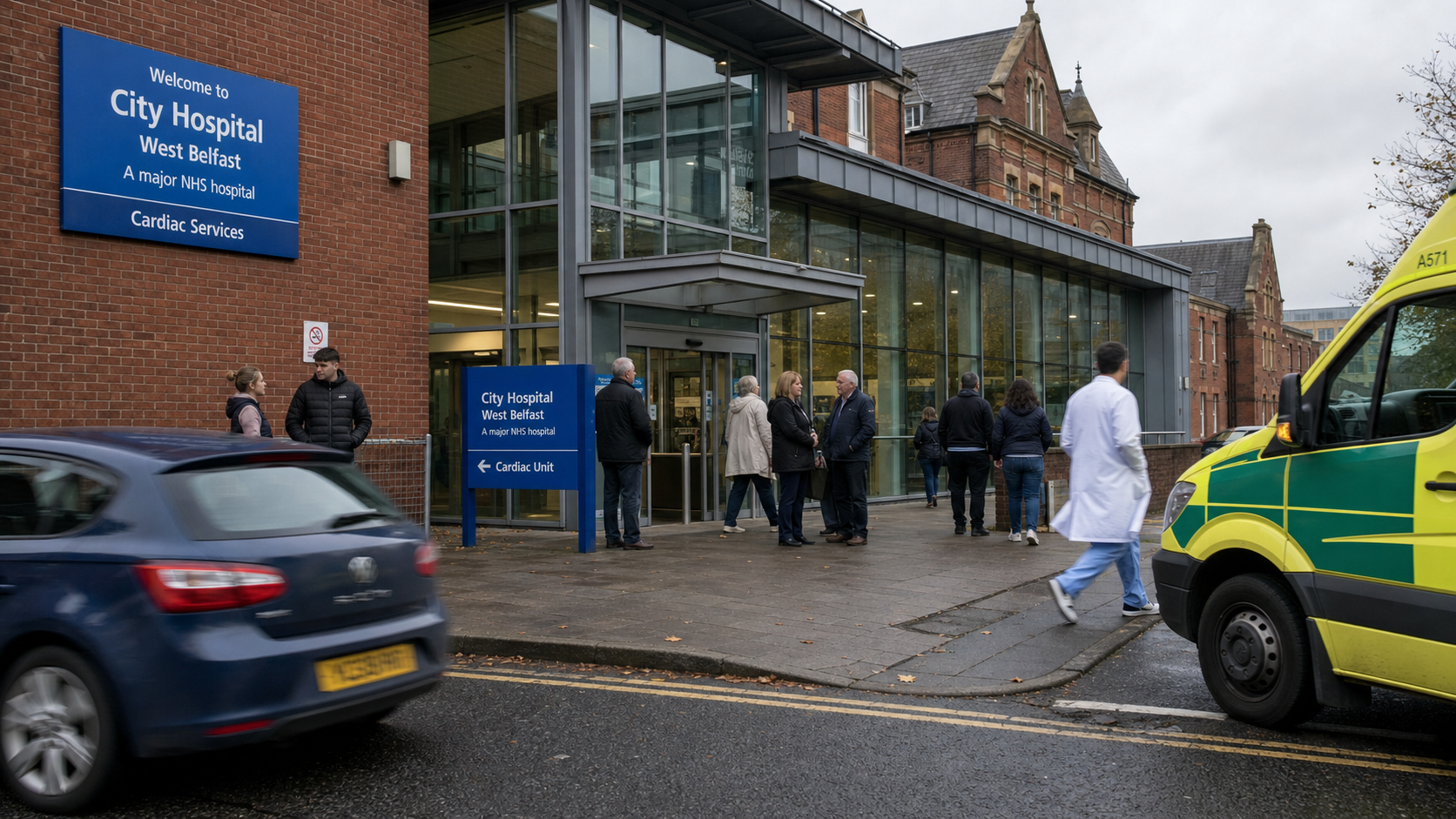
Belfast Cardiac Review Expands as More Patients May Have Had Unnecessary Heart Procedures, Trust Confirms
The Belfast Health and Social Care Trust has confirmed that the number of patients who may have undergone unnecessary cardiac procedures is likely to exceed the 160 cases initially reported, as an ongoing review of approximately 670 patient records continues to examine whether specialist heart devices were clinically justified in each case.
Background
The review concerns the clinical work of cardiologist Dr Ernest Lau, who fitted Cardiac Resynchronization Therapy (CRT) devices at the Belfast Trust between 2007 and 2023. CRT devices are implants used to manage heart rhythm and pumping issues in patients with certain types of heart failure, and their implantation is a significant medical procedure carrying risks including infection, device malfunction, and complications from the implantation process itself.
Concerns about Dr Lau's work were reportedly raised by colleagues as early as 2020, though formal action was not taken until a patient complaint in 2023 prompted the Trust to notify the Royal College of Physicians. Dr Lau has not seen patients since 2023 but remains a paid employee of the Trust, a situation the Trust has declined to comment on further, citing ongoing internal HR processes.
The BBC first reported in May 2026 that more than 160 patients with advanced heart conditions may have undergone unnecessary procedures. The Trust subsequently launched a formal "look back" review of approximately 670 patient records to determine whether the CRT devices fitted by Dr Lau were "clinically indicated" in each case. The review is being conducted by an independent clinical team and is expected to take several months to complete.
Key Developments
The Trust has now confirmed that the number of patients potentially affected is likely to be higher than the 160 figure initially reported. As of the latest update, 135 living patients are being assessed as part of the review, of whom 29 have completed their review appointments. The Trust has indicated that the full process will require several more months, given the complexity of the clinical assessments involved and the need to contact and arrange appointments for all affected patients.
The Trust has apologised for the distress caused to patients and their families by the uncertainty surrounding their treatment. It has emphasised that the recall is intended to ensure patient safety and to reduce uncertainty for those who received CRT devices during the period under review. Patients who have been contacted by the Trust are being offered appointments with independent cardiologists to assess whether their devices were clinically appropriate and whether any further action is required.
The case has raised serious questions about the governance and oversight mechanisms within the Belfast Trust, and about the length of time that elapsed between the initial concerns being raised by colleagues in 2020 and formal action being taken in 2023. The Trust has not provided a detailed explanation of why it took three years for the concerns to result in a formal review.
Why It Matters
The Belfast cardiac review is one of the most significant patient safety incidents to emerge in Northern Ireland's health service in recent years. CRT device implantation is not a minor procedure — it involves surgery under general or local anaesthesia, carries a risk of serious complications, and results in patients living with an implanted device that requires ongoing monitoring and, eventually, replacement. If a significant number of patients received these devices without clinical justification, the implications for their health and wellbeing are serious and long-lasting.
The case also raises broader questions about the systems in place within the Belfast Trust — and the wider Health and Social Care system in Northern Ireland — for identifying and acting on concerns about individual clinicians' practice. The three-year gap between the initial concerns and formal action is troubling, and the Trust's reluctance to explain that gap publicly is unlikely to reassure patients or the public. Northern Ireland's health service has faced a series of patient safety controversies in recent years, and the cardiac review adds to pressure on the Trust and the Department of Health to demonstrate that robust governance mechanisms are in place.
For context, similar reviews in other parts of the UK — including the Paterson breast surgery inquiry in England — have demonstrated that when concerns about individual clinicians are not acted upon promptly, the number of patients affected can be far larger than initially apparent.
Local Impact
The review is affecting patients across the Belfast Trust's catchment area, which covers Belfast city and surrounding areas including Castlereagh, Lisburn, and parts of north Down and south Antrim. Patients who received CRT devices at the Royal Victoria Hospital or the Belfast City Hospital during the period under review are being contacted directly by the Trust. The Trust has established a dedicated helpline for affected patients and their families, and has indicated that it will provide support, including counselling, to those who need it. The Cardiac Risk in the Young charity and other patient advocacy organisations have called for full transparency from the Trust about the scope and findings of the review.
What's Next
The Trust expects to complete the review of all 135 living patients by early 2027. A report on the findings will be submitted to the Department of Health and to the Regulation and Quality Improvement Authority, which oversees health and social care services in Northern Ireland. The Trust has indicated it will publish a summary of the review's findings once it is complete. The Department of Health has been asked to consider whether a broader review of cardiac device implantation practices across all five health trusts in Northern Ireland is warranted.