Bawag Completes €1.62bn Acquisition of Permanent TSB, Closing Chapter on Irish Banking Crisis
Austrian banking firm Bawag Group has completed its €1.62 billion acquisition of Permanent TSB, a deal described as closing the final chapter of Ireland's banking crisis, as digital bank Monzo simultaneously launches in the Irish market to intensify competition — marking a pivotal moment of transformation for a sector that was brought to its knees by the 2008 financial crash and has spent the intervening years rebuilding its credibility with Irish consumers.
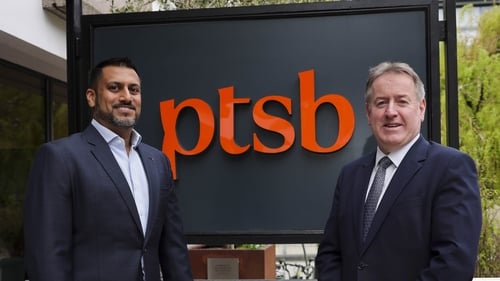
The completion of the deal, which includes commitments to maintain PTSB's Dublin headquarters and a meaningful branch footprint for at least two years, has been welcomed by employees and customers who had feared a more disruptive transition to a purely digital model.
Background
Permanent TSB (PTSB) has been one of the most troubled legacies of Ireland's catastrophic banking crisis of 2008-2013, during which the state was forced to bail out its financial institutions at enormous cost to taxpayers. The bank has been working to rebuild its balance sheet and customer base in the years since, but has remained a smaller player in a market dominated by AIB and Bank of Ireland. The acquisition by Bawag, one of Austria's largest banks, represents a significant foreign investment in the Irish financial sector and a vote of confidence in the long-term prospects of the Irish economy.
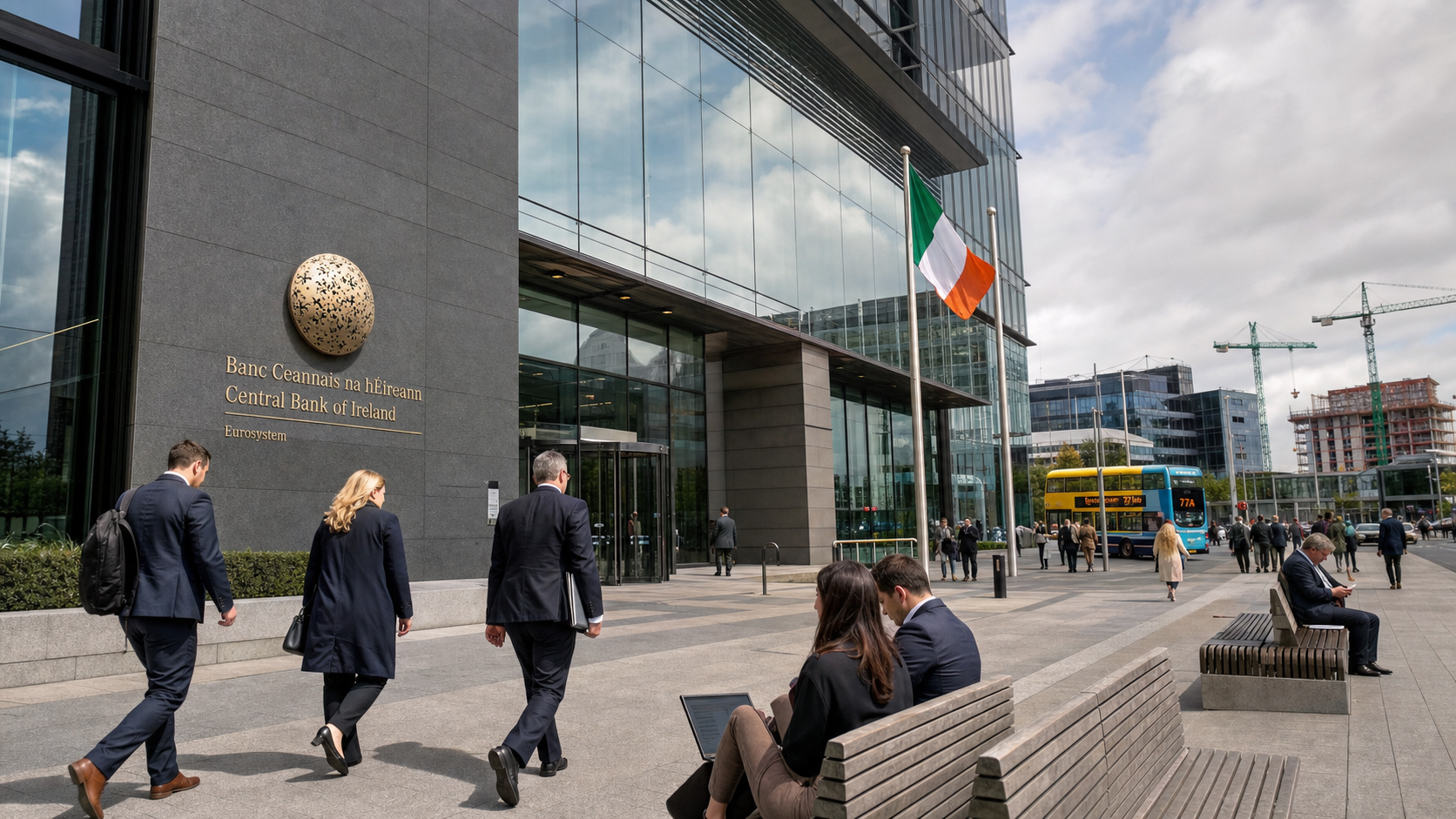
Reuters reported that the deal values PTSB at approximately €1.62 billion, reflecting the significant recovery in the bank's fortunes since the darkest days of the financial crisis, when it required a state bailout of over €4 billion. The completion of the acquisition marks the end of a process that began when Bawag first announced its interest in PTSB, and which has been subject to regulatory scrutiny from both the Central Bank of Ireland and European banking supervisors.
The Irish banking sector has undergone significant consolidation in recent years, with the exit of Ulster Bank and KBC Bank Ireland leaving a market that is now dominated by a small number of large players. The arrival of Bawag as a new owner of PTSB, combined with the launch of digital challenger banks like Monzo, is expected to inject new competitive dynamics into a sector that has been criticised for high fees and limited innovation.
Key Developments
The €1.62 billion deal has now been formally completed, with Bawag committing to maintaining PTSB's Dublin headquarters and a "meaningful branch footprint" for at least two years. This commitment will be welcomed by PTSB employees and customers who had feared the acquisition might lead to rapid branch closures or a shift to a purely digital model. The Irish Examiner has reported that Bawag has indicated its intention to grow PTSB's market share in the Irish mortgage and personal lending markets, positioning the bank as a genuine challenger to AIB and Bank of Ireland.
Simultaneously, competition in the Irish retail banking sector is intensifying with the official launch of digital bank Monzo in Ireland, which is expected to challenge the established dominance of traditional banks through its app-based model, low fees, and innovative features. Bank of Ireland is also reportedly planning to exit the London stock market, while credit unions continue to increase their share of the Irish mortgage market, further reshaping the competitive landscape.
In a separate development, the High Court struck down a sanction from the Central Bank against a fund manager, citing "serious errors" in the regulatory body's investigation — a ruling that has raised questions about the robustness of the Central Bank's enforcement processes and is likely to be closely studied by other financial institutions facing regulatory action.
Why It Matters
The Bawag acquisition marks a symbolic as well as practical milestone for the Irish financial system. The completion of the deal signals that international investors now view Ireland's banking sector as sufficiently stable and profitable to warrant significant capital investment. The arrival of Monzo adds a further competitive dynamic that could benefit consumers through lower fees and more innovative products, potentially breaking the dominance of the two main pillar banks that has characterised the Irish market since the exit of Ulster Bank and KBC.
However, questions remain about the long-term implications of increased foreign ownership of Irish banking infrastructure and whether the two-year commitment to maintain branches will be honoured beyond that period. Consumer groups have called on the Central Bank to monitor the transition closely and to ensure that PTSB customers are not disadvantaged by the change of ownership.
Local Impact
Northern Ireland's banking sector has its own distinct dynamics, but the changes in the Republic's banking landscape have implications for the island as a whole. The growth of digital banking, exemplified by Monzo's Irish launch, is a trend that is equally evident in Northern Ireland, where challenger banks have been gaining market share at the expense of traditional high street lenders. The consolidation of the Irish banking sector also has implications for cross-border financial services, with businesses operating on both sides of the border closely watching the implications of the Bawag acquisition for PTSB's cross-border operations.
What's Next
Regulators and consumer groups will be watching closely to ensure that the acquisition does not lead to reduced competition or service quality for PTSB customers. The Central Bank of Ireland is expected to maintain close oversight of the transition. The launch of Monzo in Ireland will be a key test of whether digital challenger banks can make significant inroads into the Irish market, and its progress will be watched closely by both incumbents and regulators. Further details are available at Reuters and Irish Examiner.