Ballymena Community Gathers in Solemn Vigil for Mother and Daughter Killed in Suspected Murder-Suicide
Hundreds of people gathered at the Braid Arts Centre in Ballymena on Wednesday evening in a solemn act of collective mourning for a 39-year-old mother and her eight-year-old daughter, whose deaths at a property on the Cullybackey Road have shocked the town and prompted renewed calls for stronger protections against domestic violence across Northern Ireland.
Background
The discovery of three bodies at a residential property on the Cullybackey Road in Ballymena on Monday, July 13, sent shockwaves through the mid-Antrim town and beyond. Police were called to the address and found the woman, her young daughter, and a 41-year-old male relative dead. The PSNI confirmed it had formed a "strong hypothesis" that the deaths constituted a double murder followed by a sudden death, and stated that it was not seeking anyone else in connection with the case.
The family was originally from Poland, and it is understood the child was born in Northern Ireland. The Polish community in Ballymena, which has grown significantly over the past two decades, has been particularly affected by the tragedy. Community leaders from both the Polish and broader Ballymena communities moved quickly to organise the vigil, recognising the need for a shared space of grief and solidarity.
Ballymena has a population of approximately 30,000 and serves as the main commercial centre for mid-Antrim. It is a town that has experienced its share of social challenges, including sectarian tensions in the past, but has also developed a reputation for community resilience and cross-cultural integration. The deaths have cut across those community lines, drawing expressions of grief and solidarity from people of all backgrounds.
Key Developments
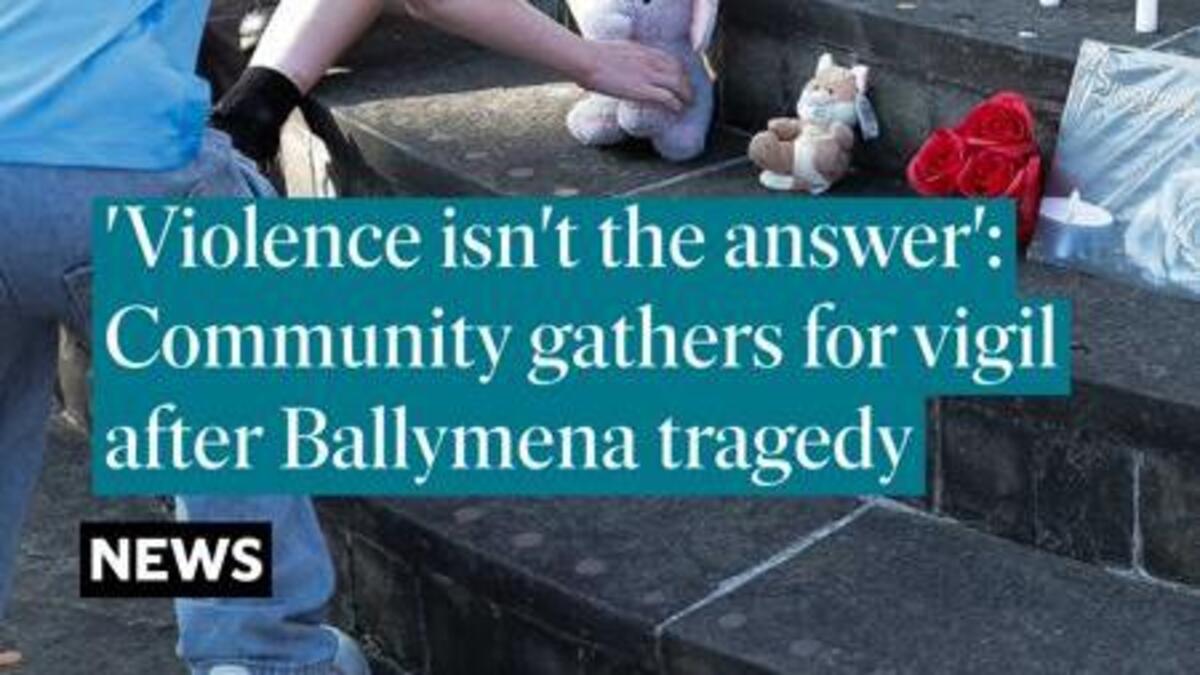
The vigil at the Braid Arts Centre on the evening of July 15 was described by attendees as a moment of "quiet reflection, light and unity." Candles were lit, and speakers addressed the crowd with messages of solidarity and grief. Among those who spoke were Deputy Mayor Bethany Carson-Ferris and representatives from Women's Aid, the domestic violence support organisation that has been at the forefront of calls for stronger protections in Northern Ireland.
Women's Aid representatives used the occasion to highlight the broader context of the tragedy. According to figures cited at the vigil, the deaths of the mother and daughter bring the total number of women and girls killed in similar circumstances in Northern Ireland since 2020 to 31. That figure — one that advocates have been tracking with grim precision — underscores the scale of the problem and the urgency of the response required.
The PSNI has confirmed that a murder investigation remains open and that enquiries are ongoing. Detectives from the Major Investigation Team are leading the investigation, and a family liaison officer has been appointed to support the wider family. The Polish Embassy in Dublin has also been in contact with authorities regarding the case.
Why It Matters
The Ballymena tragedy matters in a context that extends far beyond the immediate grief of one community. Northern Ireland has a persistent and troubling record on domestic violence and femicide. The statistic cited at the vigil — 31 women and girls killed since 2020 — represents a rate of violence that demands a systemic response, not merely expressions of sympathy.
Northern Ireland's domestic violence legislation has historically lagged behind that of England and Wales, though recent years have seen some progress, including the introduction of coercive control as a criminal offence. However, advocates argue that the legislative framework remains inadequate and that the resources available to support victims — refuge places, legal aid, specialist police units — are chronically underfunded. The Stormont Executive's ongoing budget crisis has made the prospect of meaningful investment in these services even more remote.
The involvement of a migrant family in this case also raises questions about the specific vulnerabilities faced by women from minority ethnic communities in Northern Ireland, who may face additional barriers to accessing support services, including language barriers, immigration status concerns, and cultural isolation.
Local Impact
In Ballymena itself, the impact of the tragedy has been profound. The town's schools, community centres, and churches have been offering support to those affected, and the local council has made counselling services available. The Braid Arts Centre, which hosted the vigil, has become a focal point for community grief and solidarity.
The Polish community in Ballymena has been supported by community liaison officers from the PSNI and by voluntary organisations that work with migrant communities across mid-Antrim. Local councillors from across the political spectrum — DUP, Sinn Féin, Alliance, and independents — have united in expressing their condolences and their commitment to supporting the community through the aftermath of the tragedy.
What's Next
The PSNI's murder investigation is expected to continue for several weeks, with a full forensic examination of the Cullybackey Road property ongoing. A coroner's inquest will be held in due course. Women's Aid and other advocacy organisations have called on the Stormont Executive to convene an emergency session to discuss the funding of domestic violence services, and several MLAs have indicated they will raise the matter in the Assembly chamber. The Polish Embassy has indicated it will work with the PSNI and local authorities to ensure the family's wider relatives are kept informed and supported.