Aontú Targets 12 Dáil Seats as Tóibín Rules Out Fine Gael Coalition at Derry Think-In
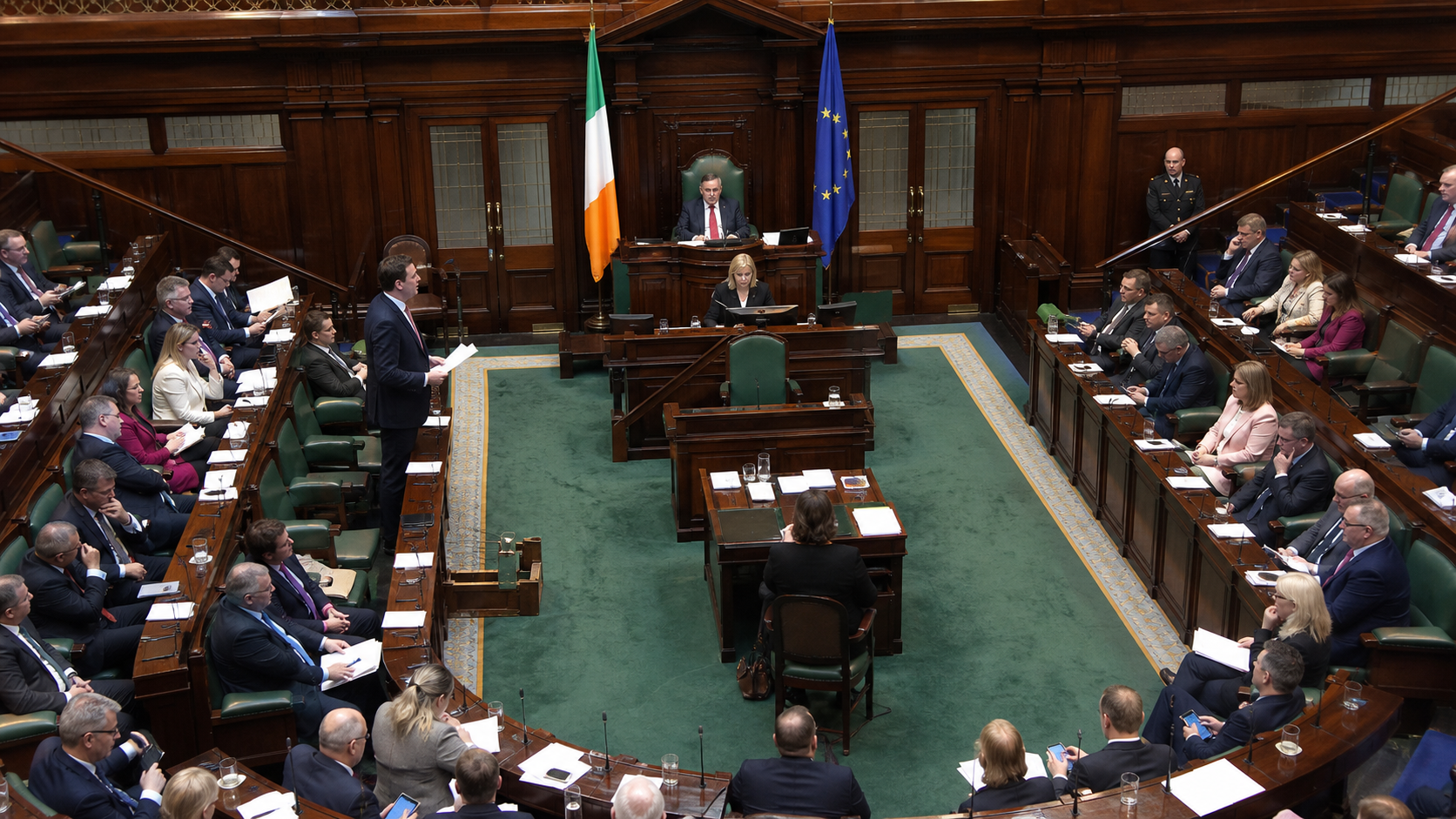
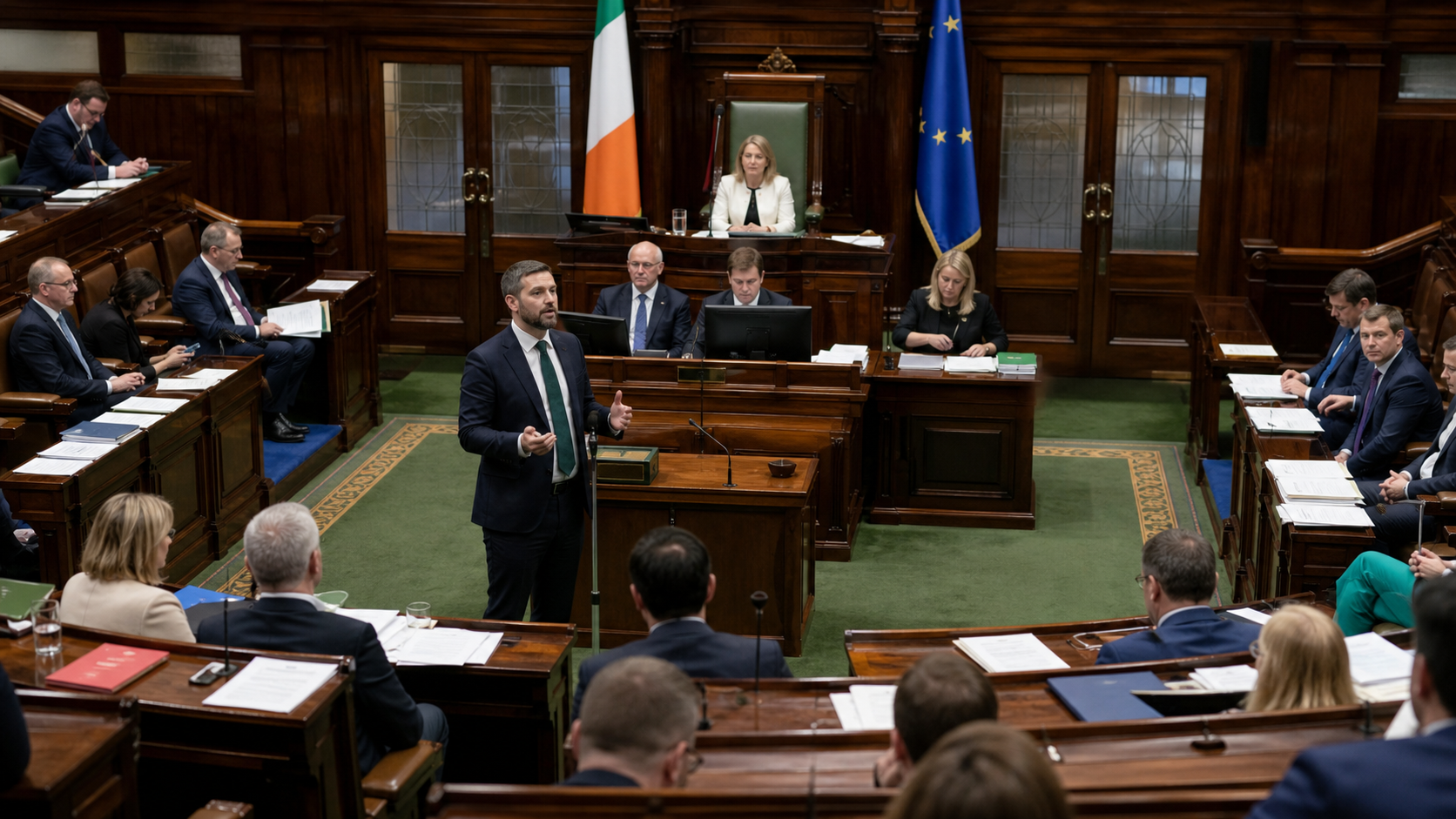
Aontú leader Peadar Tóibín has set a target of up to 12 Dáil seats at the next general election, citing polling that places the party at 8 per cent support — double its 2024 vote share — and has explicitly ruled out any coalition arrangement with Fine Gael while suggesting that a future deal with Fianna Fáil remains a possibility.
Background
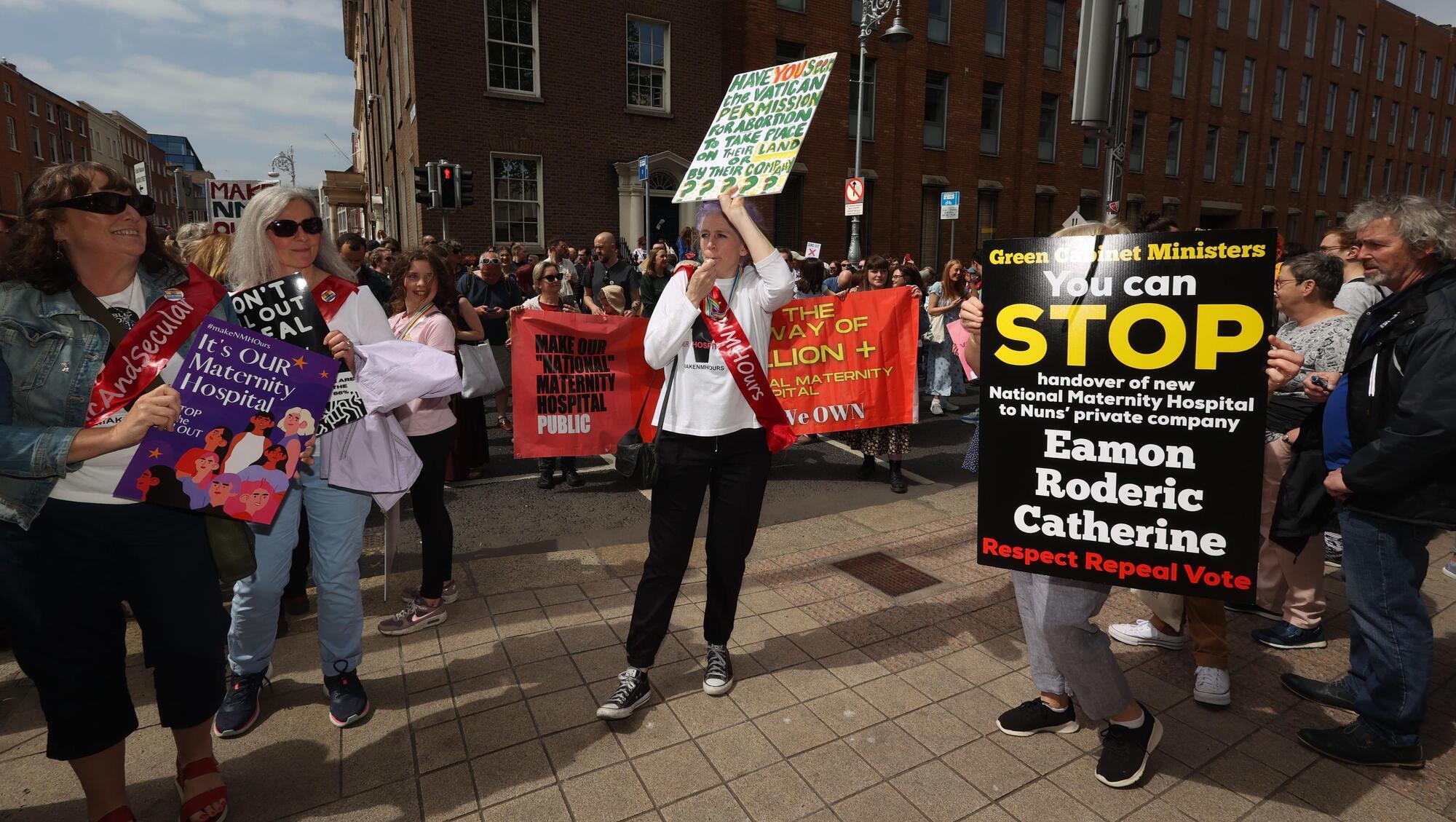
Aontú was founded in 2019 by Peadar Tóibín, a former Sinn Féin TD who left the party over its support for the repeal of the Eighth Amendment. The party positions itself as a socially conservative, pro-life, all-island nationalist party, occupying a political space that it argues has been vacated by Sinn Féin's move toward a more liberal social agenda. Tóibín has consistently argued that there is a significant constituency of nationalist and republican voters who are uncomfortable with Sinn Féin's positions on abortion and other social issues but who have had no credible alternative to turn to.
In the 2024 general election, Aontú secured approximately 4 per cent of the first-preference vote, with Tóibín himself winning a seat in Meath East. The party failed to elect any other TDs, leaving Tóibín as a one-man parliamentary group. However, the party has continued to build its organisational base, contesting local elections across the island and establishing a presence in Northern Ireland, where it has sought to attract voters who feel unrepresented by either the unionist parties or Sinn Féin.
The party's annual think-in, held in Derry this year, is a significant moment in the political calendar for a party that is still in the process of building its national profile. The choice of Derry — a city with a strong nationalist tradition and a complex relationship with both the Republic and Northern Ireland — was itself a statement of intent about the party's all-island ambitions.
Key Developments
Speaking at the think-in on 12 September 2026, Tóibín said that Aontú was targeting up to 12 seats in the next Dáil election, identifying Meath East, Cavan-Monaghan, Dublin West, Wexford, and Limerick City as constituencies where the party sees strong potential. He described the target as achievable "on a good day," acknowledging that it would require a significant increase in vote transfers and a favourable distribution of seats.
The optimism is grounded in recent polling. An Ireland Thinks survey has placed Aontú at 8 per cent support — a figure that, if replicated at a general election, would represent a doubling of the party's 2024 performance and would, depending on the distribution of votes, translate into between six and twelve seats. Tóibín attributed the rise to the party's focus on grassroots issues and what he characterised as a growing disconnect between the established parties and their traditional voter bases.
On coalition arithmetic, Tóibín was unambiguous in ruling out any arrangement with Fine Gael, describing the party as ideologically incompatible with Aontú's values. He was more nuanced on Fianna Fáil, suggesting that the party was "easier to direct" due to what he characterised as a lack of fixed core policies — a description that Fianna Fáil sources were unlikely to welcome. He also indicated that Aontú would be contesting upcoming local and Assembly elections in Northern Ireland, where it aims to secure representation in the Stormont Assembly for the first time.
Why It Matters
Aontú's growth, if the polling is sustained, represents a significant development in the Irish political landscape. The party is carving out a distinctive position that does not map neatly onto the traditional left-right or nationalist-unionist axes, and its appeal to socially conservative nationalist voters is a genuine challenge to Sinn Féin's dominance of that space. A party with 12 Dáil seats would be a meaningful force in government formation negotiations, and Tóibín's explicit positioning on coalition options is a signal that he is thinking seriously about that scenario.
The Derry think-in location also carries a message about the party's all-island ambitions. Aontú is one of the few parties that contests elections on both sides of the border, and its ability to build a credible presence in Northern Ireland — where it has so far struggled to translate support into seats — will be a key test of whether it can fulfil its founding vision of an all-island political movement.
Local Impact
In Meath East, where Tóibín holds his Dáil seat, the party has built a strong local organisation that has been active on issues including rural transport, agricultural policy, and planning. In Cavan-Monaghan, where the party has identified strong potential, local councillors have been working to build the kind of community presence that translates into first-preference votes. In Derry itself, the think-in generated significant local media coverage and provided an opportunity for the party to engage with potential supporters in a city where its message of socially conservative nationalism has found some resonance.
What's Next
Aontú's next major electoral test will be the local elections in Northern Ireland, scheduled for 2027. The party is also preparing for the possibility of a Dáil election before the end of the current government's term, with candidate selection processes underway in several constituencies. Tóibín is expected to publish a detailed policy platform in the coming months, covering housing, health, and the economy, as the party seeks to broaden its appeal beyond its core socially conservative nationalist base.