Andy Burnham's Arrival as UK Prime Minister Creates New Dynamic for Northern Ireland as Unionist Parties Assess the Unknown Quantity
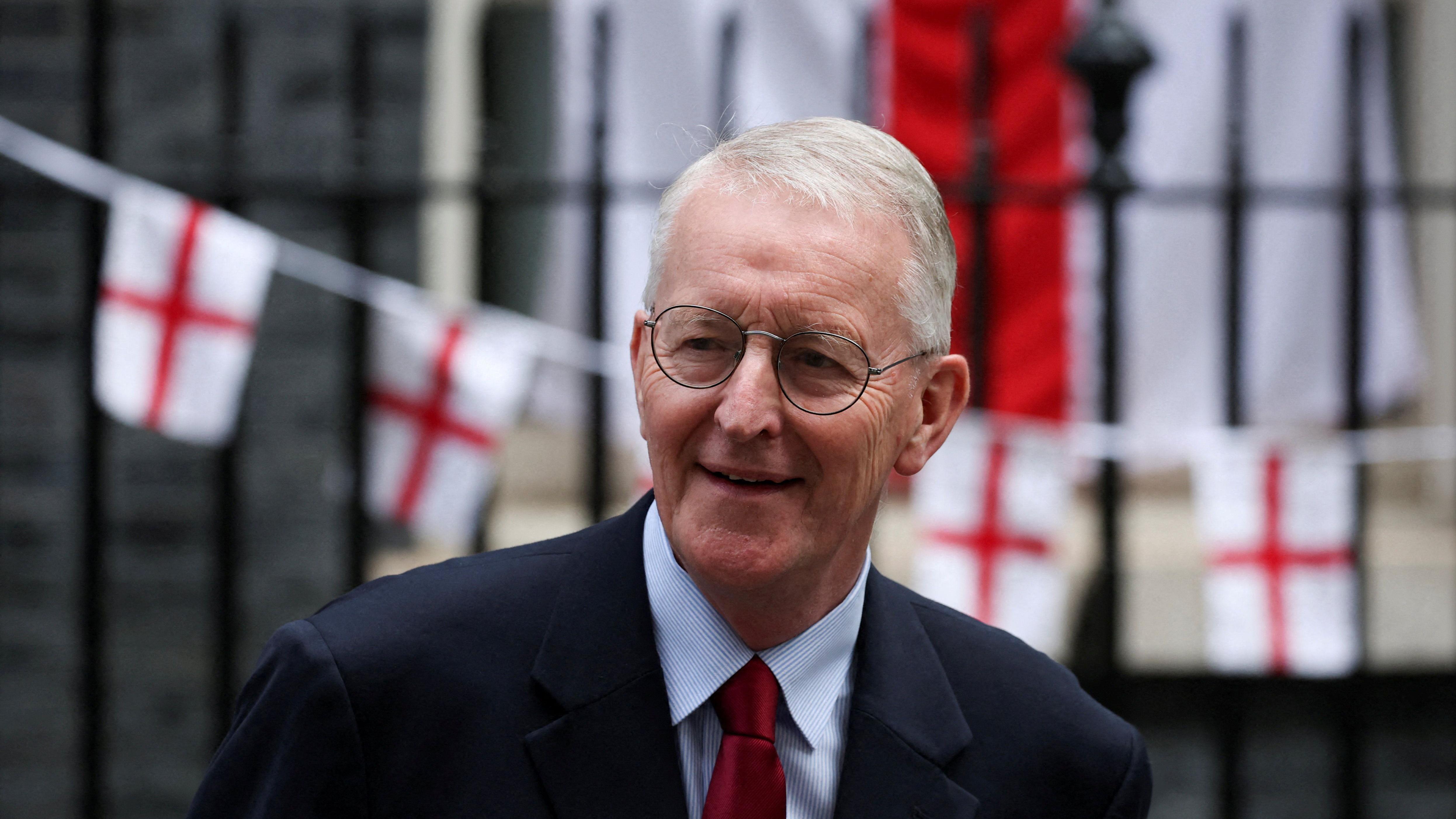
The arrival of Andy Burnham as UK Prime Minister, following Keir Starmer's resignation, has created a new and uncertain dynamic for Northern Ireland's political parties as they attempt to assess what his administration will mean for the region. Burnham's early decision to scrap the controversial digital ID programme has been welcomed by unionist parties, who had opposed the measure on civil liberties grounds. But his broader approach to Northern Ireland, the Windsor Framework, the NI budget, and the constitutional question remains largely untested, and political leaders across the spectrum are watching his first moves with close attention.
Background
Keir Starmer's resignation as UK Prime Minister — the circumstances of which have dominated Westminster politics in recent weeks — has brought Andy Burnham to Downing Street at a moment of considerable complexity for Northern Ireland. The region is in the midst of a budget crisis, with the Stormont Executive struggling to balance its books without the additional Treasury support that Stormont ministers have been seeking. The Windsor Framework, which governs Northern Ireland's post-Brexit trading arrangements, remains a source of political tension, particularly for unionist parties who continue to argue that it creates an unacceptable constitutional anomaly. And the broader question of Northern Ireland's place within the United Kingdom — sharpened by the ongoing debate about a border poll — is never far from the surface of political life.
Burnham comes to the role with a background in Greater Manchester politics, where he served as Mayor for nearly a decade before entering national politics. His record in Manchester — on public transport, on homelessness, on the NHS — has given him a reputation as a pragmatic, delivery-focused politician with a strong instinct for the concerns of working-class communities. But his engagement with Northern Ireland during his time as Mayor was necessarily limited, and his views on the specific issues that dominate NI politics — the Windsor Framework, the constitutional question, the NI budget — are not well established.
The Newsletter, Northern Ireland's oldest daily newspaper and a broadly unionist publication, described Burnham as an "unknown quantity" for the region in an editorial published on Saturday, noting that his administration may not hold the same views towards Northern Ireland as previous governments and that this creates both risks and opportunities for the region's political parties.
Key Developments
Burnham's first significant decision with relevance to Northern Ireland was his announcement that he would scrap the digital ID programme that had been developed under the Starmer administration. The programme, which would have introduced a voluntary digital identity card for UK citizens, had been opposed by unionist parties in Northern Ireland on civil liberties grounds, with the DUP and UUP both arguing that it represented an unacceptable extension of state surveillance. Burnham's decision to abandon the programme has been welcomed by unionist politicians as an early signal that his administration may be more sympathetic to their concerns than its predecessor.
Beyond the digital ID decision, Burnham has given few specific signals about his approach to Northern Ireland. He is expected to make an early visit to Belfast — his first as Prime Minister — in the coming weeks, and that visit will be closely watched for indications of his priorities and his willingness to engage with the specific challenges facing the region. The NI budget crisis, in particular, is likely to be high on the agenda, with Stormont ministers pressing for additional Treasury support to address the structural deficit in the region's public finances.
SDLP leader Colum Eastwood has used the change of Prime Minister to reiterate his party's position that the definitive decision on calling a border poll rests with the UK government at Westminster — a point that takes on added significance with a new occupant in Downing Street. Eastwood has indicated that the SDLP will seek an early meeting with Burnham to discuss the party's priorities, including the border poll question and the need for investment in Northern Ireland's public services.
Why It Matters
The identity of the UK Prime Minister matters enormously for Northern Ireland. The region's constitutional status, its fiscal arrangements, its relationship with the Republic of Ireland, and the implementation of the Windsor Framework are all ultimately matters for Westminster, and the Prime Minister's personal engagement with Northern Ireland — or lack of it — can have a significant impact on how those issues are managed. Starmer's relationship with Northern Ireland was complicated by the Windsor Framework tensions and by the budget crisis, and his resignation has created an opportunity for a reset.
Whether Burnham will seize that opportunity remains to be seen. His background in Greater Manchester gives him an instinctive understanding of the challenges facing post-industrial communities and of the importance of devolved government — both of which are relevant to Northern Ireland. But the specific complexities of NI politics, with its constitutional dimension, its community divisions, and its unique post-Brexit arrangements, require a level of engagement and understanding that takes time to develop.
Local Impact
The change of Prime Minister has been felt immediately in the political temperature at Stormont, where parties are recalibrating their approaches to Westminster in light of the new administration. The DUP, which has had a complex relationship with successive UK governments over the Windsor Framework, is watching Burnham's early moves carefully for any signals about his approach to the protocol. Alliance, which has been broadly supportive of the Windsor Framework, is similarly attentive. Sinn Féin, whose primary focus is on the border poll question, will be assessing Burnham's openness to engaging with the constitutional debate. For ordinary people in Northern Ireland, the most immediate question is whether the new Prime Minister will provide the additional funding that Stormont needs to address the crisis in public services — and on that question, the early signals are ambiguous.
What's Next
Burnham is expected to visit Belfast within the next fortnight for his first official engagement with Northern Ireland's political leaders. The visit will include meetings with First Minister and Deputy First Minister, as well as with the leaders of the main opposition parties. The NI budget situation is expected to dominate the agenda, with Stormont ministers pressing for a commitment to additional Treasury support before the autumn spending review. The Secretary of State for Northern Ireland, whose identity under the new administration has yet to be confirmed, will play a key role in managing the relationship between Westminster and Stormont in the coming months.