A Warning From the Centre
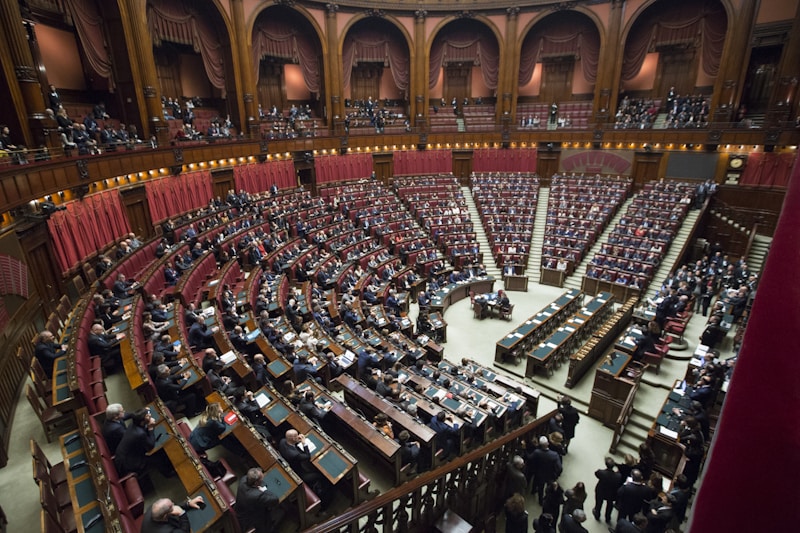
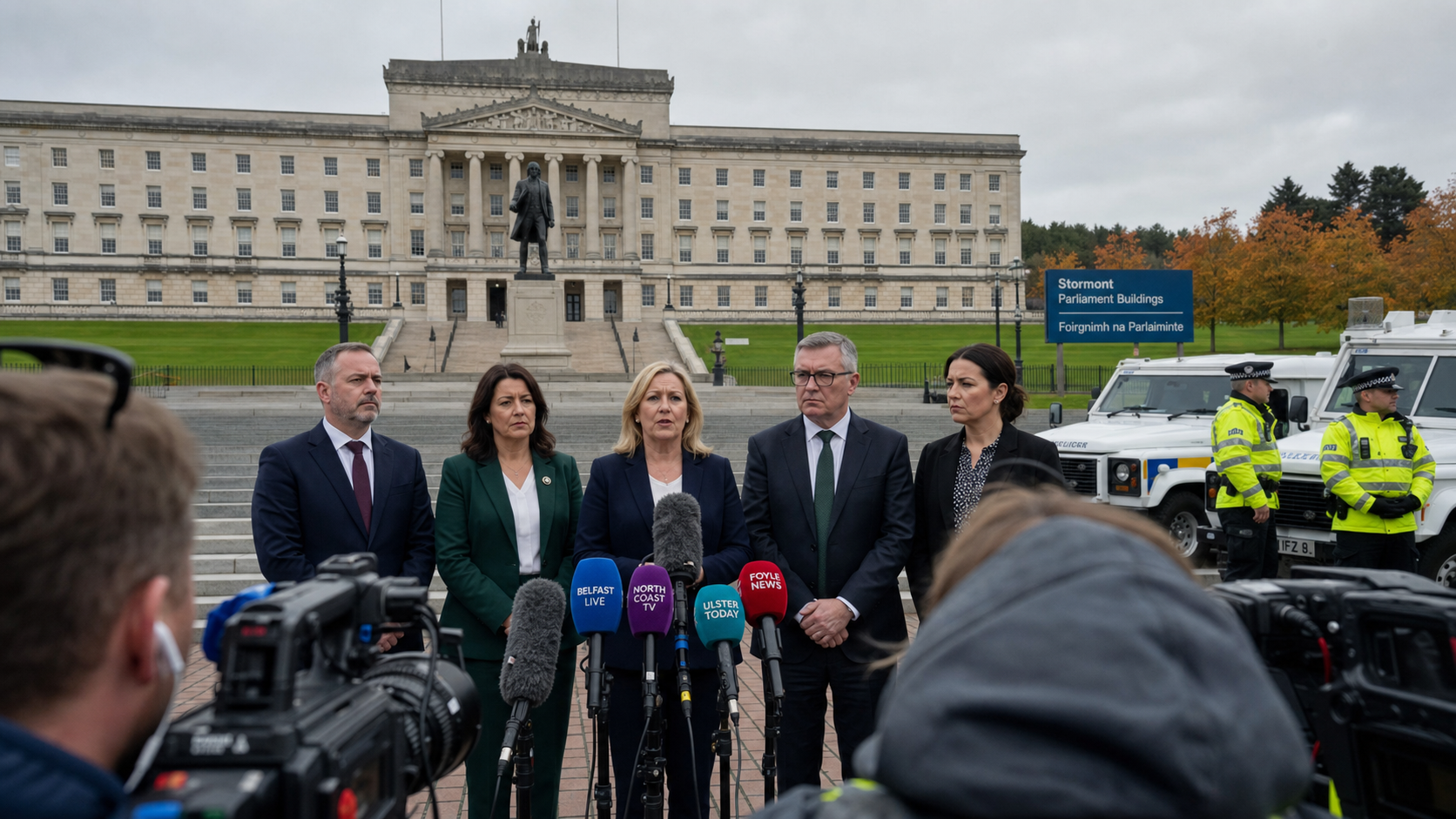
The Alliance Party has issued its most explicit warning yet about the fragility of Northern Ireland's power-sharing institutions, with party leader Naomi Long telling the Stormont Assembly that the current mandatory coalition system is "structurally broken" and that without fundamental reform, another collapse of the Executive is "not a matter of if, but when."
Long's intervention came during a heated Assembly debate on the Programme for Government, in which tensions between the DUP and Sinn Féin — the two largest parties in the Executive — were clearly visible. The two parties clashed over a range of issues including the pace of health service reform, the allocation of capital spending, and the implementation of the Irish Language Act, with ministers from both parties making pointed public statements that suggested the working relationship within the Executive is under significant strain.
The Structural Problem
Northern Ireland's power-sharing system, established under the Good Friday Agreement and refined by subsequent agreements, requires the largest unionist and largest nationalist parties to share power in a mandatory coalition. This means that, unlike in most democracies, there is no mechanism for removing a party from government through a vote of no confidence — the only way to change the government is for one of the mandatory coalition partners to withdraw, which triggers the collapse of the entire Executive.
Alliance has long argued that this system creates perverse incentives, rewarding parties for intransigence and making it rational for parties to collapse the institutions when they are not getting their way. The party has proposed replacing the mandatory coalition with a voluntary coalition system, in which parties would negotiate a programme for government and a coalition agreement, with the possibility of being removed from government if they breach that agreement.
"The current system treats the institutions as a prize to be won or withheld, rather than as a service to the people of Northern Ireland," Long told the Assembly. "Every time a party threatens to collapse the Executive, they are holding the people of Northern Ireland hostage to their political demands. That is not democracy — it is political extortion."
DUP and Sinn Féin Respond
The DUP and Sinn Féin both rejected Alliance's characterisation of the current situation, though for different reasons. DUP leader Gavin Robinson argued that the mandatory coalition system was an essential safeguard for the unionist community, ensuring that unionist interests could not be overridden by a nationalist majority. "The Good Friday Agreement was built on the principle of consent," Robinson said. "The mandatory coalition is an expression of that principle. Alliance wants to remove it because they think they can do better in a voluntary coalition — but that is a self-interested argument, not a principled one."
Sinn Féin deputy leader Michelle O'Neill took a different approach, arguing that the current tensions within the Executive were the result of the DUP's "obstructionist" approach to government rather than any structural flaw in the institutions. "The problem is not the system — the problem is a party that treats every policy disagreement as an existential threat," O'Neill said.
The Reform Debate
The debate about Stormont reform is not new — it has been a recurring theme in Northern Ireland politics since the institutions were established. But Alliance's intervention this week has given it renewed urgency, coming at a moment when the Executive is visibly struggling to function effectively and when public confidence in the institutions is at a low ebb.
A recent survey by Queen's University Belfast found that only 34% of people in Northern Ireland believe the current power-sharing system is working well, down from 52% five years ago. The survey also found that support for Alliance's voluntary coalition proposal has grown significantly, with 48% of respondents expressing support for the idea.
Whether that public sentiment will translate into political change remains to be seen. Reform of the Good Friday Agreement institutions requires the agreement of both governments and the main political parties — a high bar that has historically been very difficult to clear. But the conversation is happening, and that, at least, is progress.