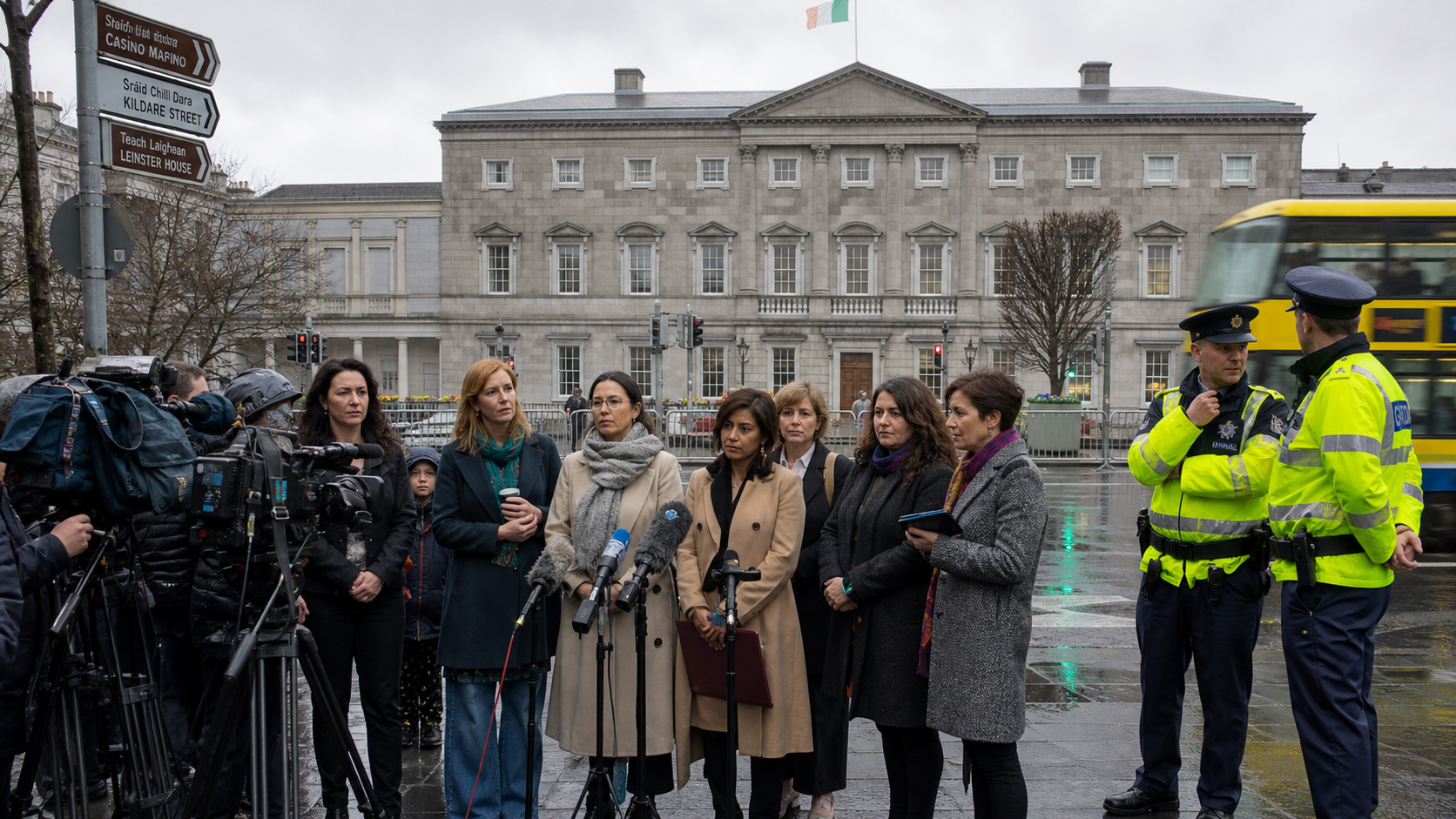
80 Female Councillors Targeted in Coordinated Harassment Campaign as Gardaí Launch National Investigation
At least 80 female local authority councillors across the Republic of Ireland have been targeted in a coordinated campaign of harassment involving persistent, sexually explicit telephone calls from private or withheld numbers, with An Garda Síochána elevating the investigation to national level and deploying a special detective unit to identify those responsible — in what the Association of Irish Local Government has condemned as a direct and deliberate attack on local democracy.
Background
The harassment of women in public life is not a new phenomenon in Ireland, but the scale and apparent coordination of the campaign that has emerged in recent weeks represents a qualitative escalation that has alarmed political representatives, civic organisations, and law enforcement alike. Female councillors from different parties and local authorities across the country began reporting disturbing calls in late July 2026, with the pattern quickly becoming clear: the calls were coming from private or withheld numbers, they were sexually explicit and threatening in nature, and they were being made repeatedly — in some cases, a single councillor received 16 calls within a single hour.
The Association of Irish Local Government, which represents approximately 950 city and county councillors, moved quickly to contact every female councillor in the country to provide support and safety advice. The organisation advised representatives to avoid answering withheld numbers, to log the details of any suspicious calls, and to report incidents to their local Garda liaison officer. It also appealed to the public to use identifiable communication methods — emails, texts, or voicemails — rather than private numbers when contacting their representatives.
The fact that no male councillors have been targeted in this specific manner has led the AILG to conclude that women in public office are being deliberately singled out — a conclusion that has significant implications for the recruitment and retention of women in local politics.
Key Developments
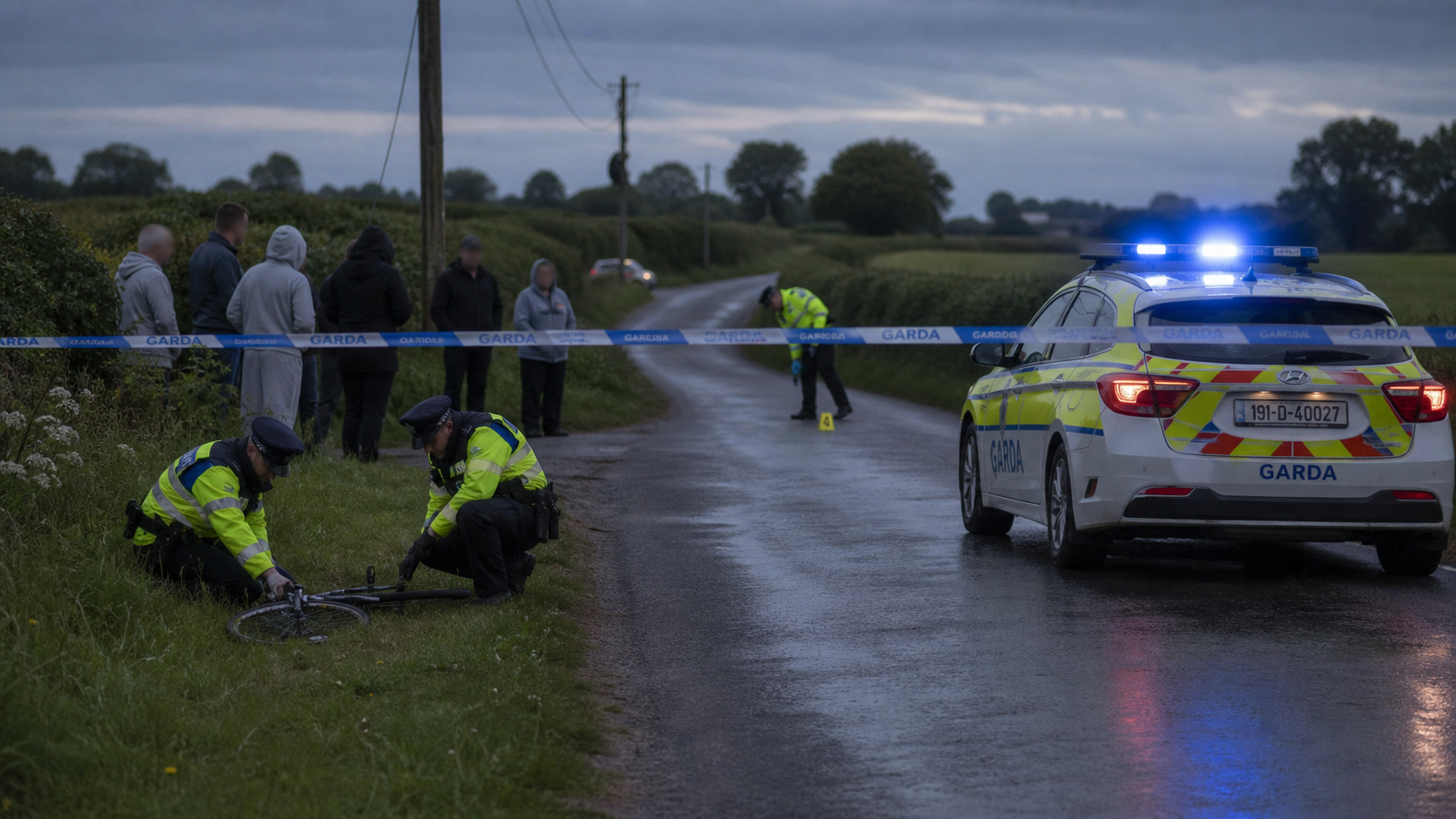
An Garda Síochána has elevated the investigation to national level, tasking a special detective unit with identifying the perpetrator or perpetrators. Divisional crime prevention officers have been deployed to assist councillors with personal safety measures, and liaison officers have been appointed in every Garda division to provide a dedicated point of contact for affected representatives.
The figure of 80 affected councillors, confirmed by the AILG, represents a significant increase from the initial reports of approximately 70 cases. The organisation has indicated that the true number may be higher, as some councillors may not have reported their experiences. The calls have been received by women from a range of political parties and local authorities, suggesting that the campaign is not targeted at any particular political affiliation but at women in public life generally.
Gardaí have not publicly disclosed details regarding potential suspects, but have emphasised that the intimidation of public officials is treated as a serious criminal matter. The investigation is being conducted in parallel with a broader review of the legal framework for protecting public representatives from harassment.
Why It Matters
The harassment campaign is a direct threat to the diversity and functioning of Irish local democracy. Women remain significantly underrepresented in local government in Ireland — they account for approximately 27% of local authority councillors, a figure that has improved in recent years but remains well below parity. Campaigns of this kind, which are designed to intimidate and demoralise women in public life, have a chilling effect that extends far beyond the individuals directly targeted. For every woman who receives a harassing call, there are others who observe what is happening and conclude that public life is not worth the personal cost. The AILG has been explicit about this risk, warning that the campaign could deter women from standing for election at a time when Ireland needs more, not fewer, women in political life.
Local Impact
The affected councillors represent local authorities from across the Republic, including Dublin, Cork, Galway, Limerick, and many rural counties. For women serving on councils in smaller communities, where anonymity is limited and personal safety concerns are more acute, the harassment has been particularly distressing. Several councillors have spoken publicly about the impact on their mental health and their families, with some describing the experience as "terrifying." Local authority chief executives have been urged to review their security protocols for elected members and to ensure that councillors have access to appropriate support services.
What's Next
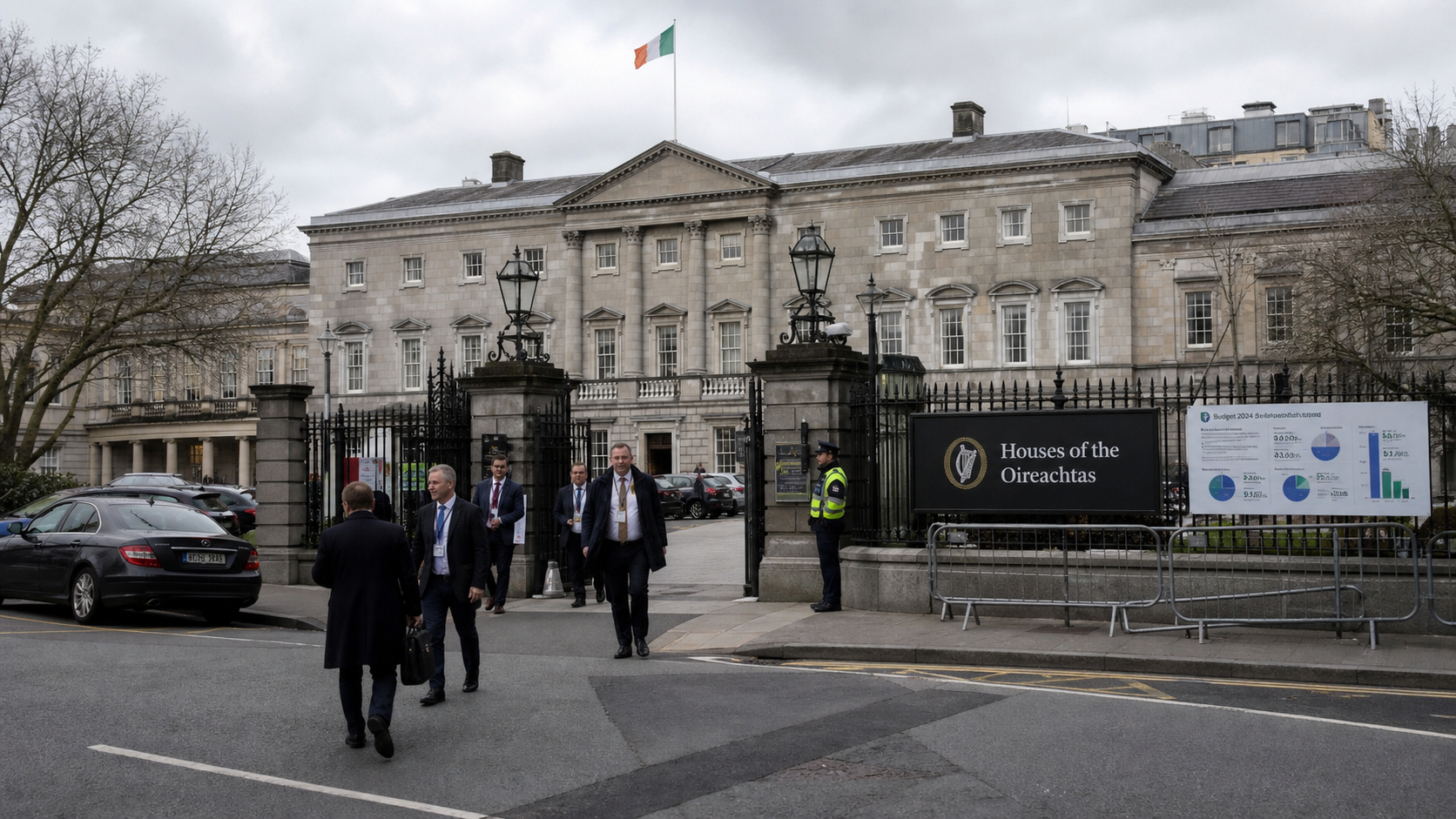
An Garda Síochána has indicated that the investigation is progressing and that it expects to make progress in identifying those responsible in the coming weeks. The Department of Housing, Local Government and Heritage has been asked to review the legal protections available to local authority members and to consider whether additional legislation is required to address the specific threat posed by coordinated harassment campaigns. The AILG will hold an emergency meeting of its executive committee in the coming days to discuss further measures to support affected councillors and to develop a longer-term strategy for protecting women in local politics. A report on the investigation is expected to be presented to the Oireachtas Committee on Housing, Local Government and Heritage in September.