£6.5m 'Walking For All' PeacePlus Project Builds Healthier, More Connected Communities Across the Border Region
A £6.5 million cross-border initiative funded through the EU's PeacePlus programme is transforming rural communities along the Irish border, creating new walking infrastructure, community health groups, and social connections in areas that have historically been among the most isolated and underserved on the island of Ireland.
Background
The PeacePlus programme, the successor to the long-running PEACE funding streams that have channelled EU investment into the border region since the mid-1990s, represents one of the most significant ongoing commitments to cross-border reconciliation and development in the post-Good Friday Agreement era. With a total budget of over €1 billion for the 2021-2027 period, PeacePlus funds projects across Northern Ireland and the border counties of the Republic, with a particular focus on community cohesion, economic development, and shared services.
The 'Walking For All' project sits within PeacePlus's health and wellbeing strand, recognising that physical activity is one of the most cost-effective interventions available for improving population health outcomes. The border region has historically recorded higher rates of cardiovascular disease, obesity, and mental health difficulties than the national averages in both jurisdictions — a pattern linked to decades of economic underinvestment, the legacy of the Troubles, and the particular challenges of rural isolation.
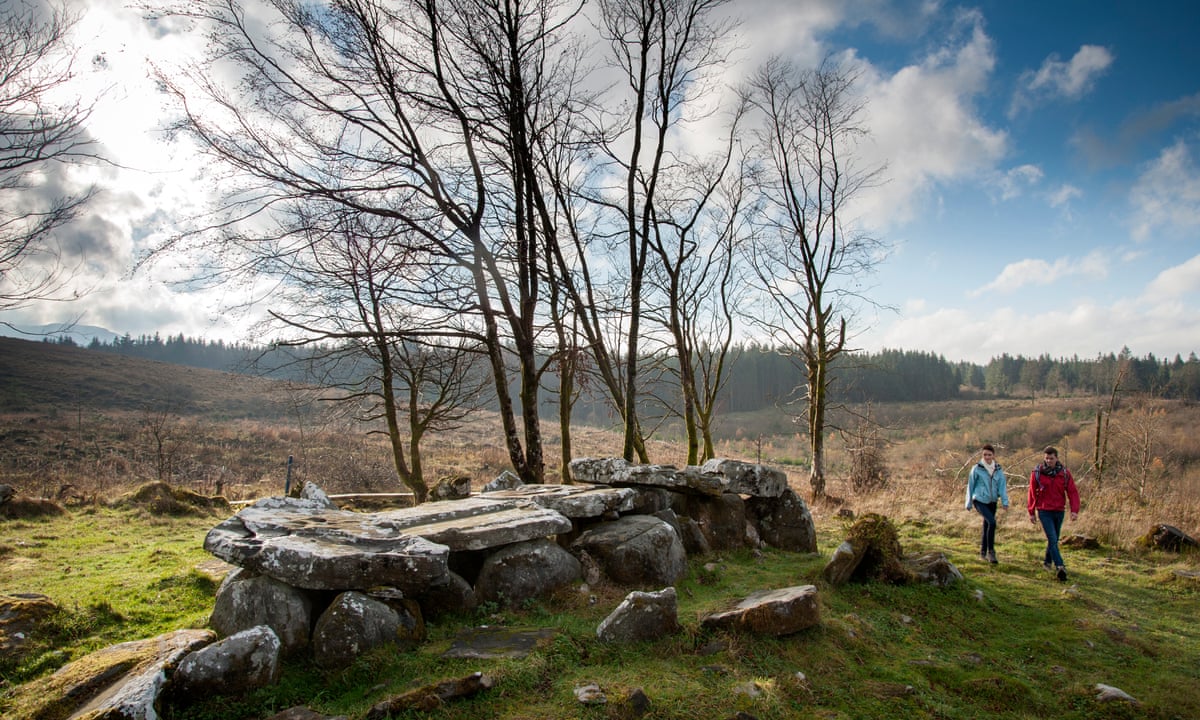
Walking, as a form of exercise, carries a particular resonance in the Irish border context. The landscape of counties Fermanagh, Tyrone, Armagh, Monaghan, Cavan, and Leitrim is extraordinarily beautiful, yet much of it has been inaccessible to casual walkers due to the absence of maintained paths, waymarked routes, and the basic infrastructure — car parks, signage, stiles — that makes walking accessible to people of all ages and abilities.
Key Developments
The 'Walking For All' project is delivering a comprehensive programme of infrastructure development and community engagement across the border region. New walking routes are being created and existing paths upgraded in communities stretching from south Armagh through Fermanagh and into the border counties of Cavan, Monaghan, and Leitrim. The project places particular emphasis on accessibility, ensuring that routes are suitable for people with mobility difficulties, older adults, and families with young children.
Community walking groups have been established in dozens of villages and small towns across the project area, with trained walk leaders providing regular guided walks and social events. The social dimension of the project is considered as important as the physical infrastructure — in many rural communities, the walking groups have become significant social hubs, particularly for older residents who might otherwise experience considerable isolation.
The project has also developed a cross-border walking festival, bringing participants from both sides of the border together for shared events that celebrate the landscape and culture of the region. These gatherings have been described by participants as genuinely transformative — opportunities to meet neighbours from the other jurisdiction in a relaxed, non-political context that the Troubles generation rarely had access to.
Why It Matters
The 'Walking For All' project matters for reasons that go well beyond the immediate health benefits of increased physical activity. The border region remains, in many respects, the part of Ireland most marked by the legacy of partition and conflict. Communities that were divided by checkpoints, security installations, and the ever-present threat of violence for three decades are still, in some cases, working through the social and psychological consequences of that experience.
Cross-border projects that bring people together around shared, non-contentious activities — walking, sport, arts — have consistently been identified by researchers as among the most effective tools for building the kind of everyday social trust that formal reconciliation processes cannot easily generate. The 'Walking For All' project is a practical embodiment of this insight, creating the conditions for organic, person-to-person connection across a border that remains, for all its invisibility in the post-Brexit landscape, a real psychological and administrative divide.
The health dimension is equally significant. The border region's health outcomes have improved considerably since the 1990s, but gaps remain. A project that makes physical activity more accessible and socially supported in these communities is addressing a genuine public health need, and doing so in a way that builds community capacity rather than simply delivering a service.
Local Impact
In practical terms, the 'Walking For All' project is making a visible difference in communities across the border region. In Fermanagh, new lakeside walking routes have opened up stretches of the Erne waterway that were previously inaccessible. In south Armagh, upgraded paths through the Ring of Gullion Area of Outstanding Natural Beauty are attracting walkers from across the island. In Cavan and Monaghan, community walking groups are meeting weekly in village halls and community centres, with attendance figures that have exceeded the project's initial targets.
Local health services on both sides of the border have noted the project's contribution to preventive health, with GPs in several border practices reporting that they are now able to refer patients to structured walking programmes as part of social prescribing initiatives. The project's accessibility focus has been particularly valued by disability organisations, who have long argued that the Irish countryside is effectively off-limits to many people with mobility difficulties.
What's Next
The 'Walking For All' project is funded through to 2027, with the current phase of infrastructure development expected to be substantially complete by the end of 2026. Project managers are already in discussions with PeacePlus administrators about the possibility of a successor programme that would build on the community infrastructure created in the current phase. A formal evaluation of the project's health and social outcomes is planned for early 2027, with findings expected to inform future cross-border health and wellbeing investment.