38th Galway Film Fleadh Opens with 35 New Irish Features and World Premiere as City Becomes Ireland's Cinema Capital for a Week
The 38th Galway Film Fleadh has opened in Galway city, screening 35 new Irish feature films across its five-day programme from July 7 to 12, with a world premiere of "You'll Never Believe Who's Dead" and an actor's masterclass with Rory Kinnear among the highlights — establishing Galway as the undisputed centre of Irish cinema for a week and providing the Irish film industry with its most important annual showcase.
Background
The Galway Film Fleadh has been a fixture of the Irish cultural calendar since 1989, when it was established as a dedicated showcase for Irish and international cinema in the west of Ireland. In the nearly four decades since its founding, it has grown from a modest local event into one of the most important film festivals in these islands — a place where Irish filmmakers can premiere their work, connect with international buyers and distributors, and engage with an audience that is genuinely passionate about cinema.
The festival's importance to the Irish film industry cannot be overstated. Ireland has a small but vibrant film production sector, supported by Screen Ireland and a range of tax incentives that have made the country an attractive location for both domestic and international productions. But the challenge for Irish filmmakers is not just making films — it is getting those films seen. The Galway Film Fleadh provides a platform that is uniquely valuable: a dedicated audience, media attention, and the opportunity to connect with the industry professionals who can help a film reach a wider audience.
The festival has also been an important incubator for Irish filmmaking talent. Many of the directors, writers, and producers who are now established figures in Irish and international cinema had their first significant public exposure at the Galway Film Fleadh. The festival's commitment to showcasing new and emerging talent — alongside more established names — has made it a genuine launching pad for careers.
Key Developments
The 38th edition of the festival is notable for the scale and quality of its Irish programme. Thirty-five new Irish feature films is a significant number — it reflects both the health of the Irish production sector and the festival's ability to attract the best of what Irish cinema has to offer. The world premiere of "You'll Never Believe Who's Dead" is the centrepiece of the Irish programme, and the film has generated significant advance interest from distributors and critics who have seen early cuts.
The actor's masterclass with Rory Kinnear is one of the festival's most anticipated events. Kinnear — the son of the late Roy Kinnear and one of the most respected stage and screen actors of his generation — has a strong connection to Ireland through his work with the Abbey Theatre and other Irish companies, and his masterclass is expected to draw a large audience of aspiring actors and film professionals. The masterclass format, which allows participants to engage directly with a working professional at the top of their field, is one of the most valuable elements of the festival's programme.
The international programme at the Fleadh is also strong, with films from across Europe, North America, and further afield providing context for the Irish work and giving festival-goers a sense of where Irish cinema sits in the global landscape. The festival's programming team has developed a reputation for identifying significant international films before they achieve wider distribution, and several films that have gone on to major success have had their Irish premieres at the Galway Film Fleadh.
The festival's industry programme — which includes meetings between filmmakers and distributors, panel discussions on the state of the industry, and networking events — is as important as the public screenings. For many of the filmmakers whose work is being shown, the Galway Film Fleadh is as much a business event as a cultural one, and the connections made during the festival week can have lasting consequences for their careers.
Why It Matters
The Galway Film Fleadh matters for Irish culture for reasons that go beyond the individual films being shown. It is a statement about the importance of cinema as an art form and as a cultural industry, and about Ireland's commitment to supporting and celebrating its own creative talent. In a media landscape dominated by streaming platforms and international content, a festival that puts Irish stories and Irish voices at the centre is a valuable counterweight.
The festival also matters for Galway as a city. The Film Fleadh is one of several major cultural events that take place in Galway in July — the Galway International Arts Festival follows immediately after — and together they establish the city as one of the most culturally vibrant places in Ireland during the summer months. The economic impact of the festivals on the city's hospitality and retail sectors is significant, and the cultural reputation they generate attracts visitors and investment throughout the year.
For the Irish film industry, the Fleadh provides a moment of collective celebration and assessment. The 35 new Irish features being shown represent the output of a sector that has been working hard to develop its capacity and its international profile, and the festival provides an opportunity to take stock of where Irish cinema is and where it is going. The conversations that happen in Galway during the festival week — between filmmakers, producers, distributors, and critics — shape the direction of the industry in ways that are difficult to quantify but genuinely important.
Local Impact
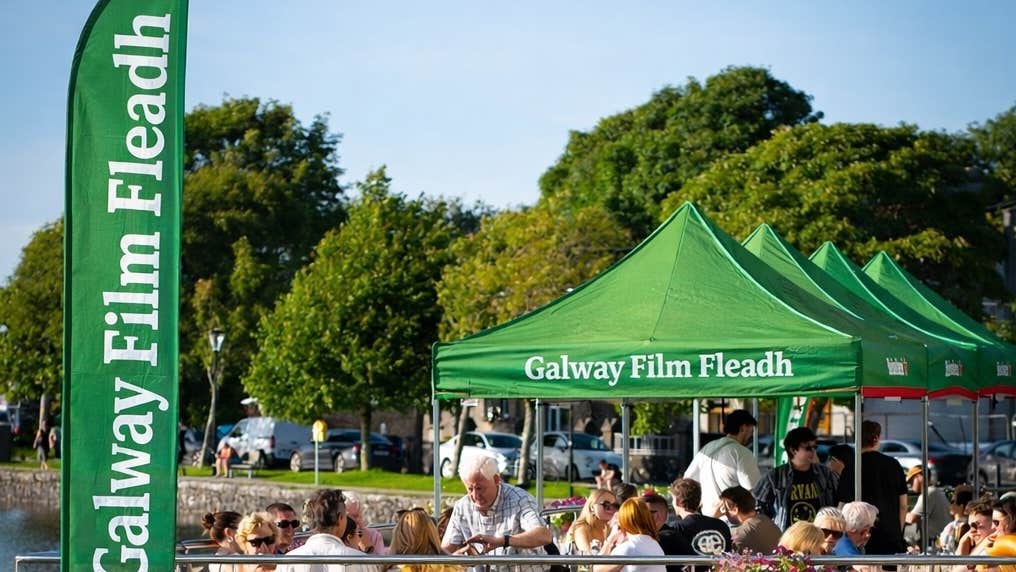
In Galway city, the Film Fleadh transforms the cultural atmosphere for its five-day duration. Cinemas across the city are given over to the festival programme, and the streets around the main venues are busy with filmmakers, industry professionals, and film enthusiasts from across Ireland and beyond. The festival has a particular impact on the city's hospitality sector, with hotels, restaurants, and bars all benefiting from the influx of visitors.
For Galway's own creative community — which includes a significant number of filmmakers, writers, and artists — the Fleadh is a moment of particular significance. The festival provides local creatives with access to industry professionals and international perspectives that are not normally available in a city of Galway's size, and the connections made during the festival week can be transformative for careers that might otherwise develop in isolation.
The University of Galway, which has a strong film and media studies programme, is closely involved with the festival, providing student volunteers, hosting events, and using the festival as a teaching resource. The relationship between the university and the festival is mutually beneficial — the university gains access to industry professionals and current practice, while the festival benefits from the energy and enthusiasm of the student community.
What's Next
The Galway Film Fleadh will conclude on July 12, with awards ceremonies recognising the best films in several categories. The awards — which include prizes for best Irish feature, best documentary, and best short film — are significant for the filmmakers involved, both for the recognition they provide and for the practical benefits of being an award-winning film at a respected festival.
Following the Fleadh, Galway will transition immediately into the Galway International Arts Festival, which runs from July 13 to 26. The back-to-back scheduling of the two festivals creates a remarkable two-week period of cultural intensity in the city, and many visitors plan their trips to take in both events. The combined economic and cultural impact of the two festivals on Galway is substantial, and the city's reputation as Ireland's summer cultural capital is well deserved.
For the Irish films that premiere at the Fleadh, the festival is typically the beginning of a longer journey towards distribution and wider audiences. Screen Ireland and the festival's industry team work to connect filmmakers with distributors and broadcasters, and the months following the festival are often when the deals that determine a film's commercial fate are made. The 35 new Irish features shown at the 38th Fleadh will each have their own journey from here, and the festival will have played a crucial role in starting them on their way.