White House Warns of 'Industrial-Scale' Foreign Campaigns to Copy American AI Models
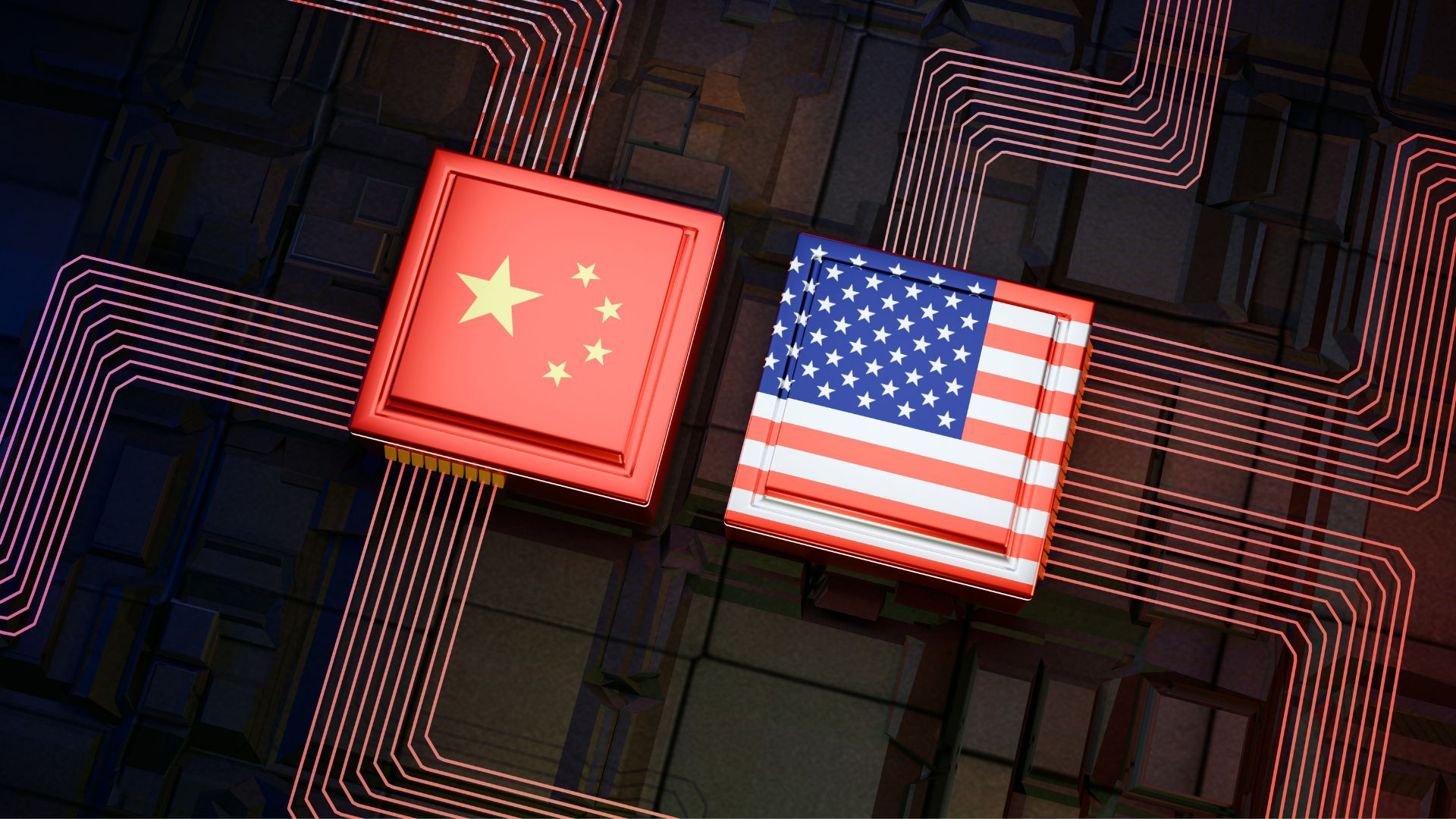
The White House has issued a formal warning about what it describes as industrial-scale campaigns by foreign entities, primarily based in China, to copy and steal advanced American artificial intelligence models. The alert, delivered in late April 2026, marks one of the most direct public statements by the administration on the threat of AI intellectual property theft and signals a hardening of US policy toward foreign access to cutting-edge AI technology.
Background
The United States has long maintained export controls on advanced semiconductors and AI-related hardware to limit foreign adversaries' ability to develop competing AI capabilities. However, the White House warning suggests that foreign actors have found ways to circumvent hardware restrictions by targeting the AI models themselves — the trained software systems that represent billions of dollars of research and development investment by American companies.
The warning comes amid a broader geopolitical contest over AI supremacy, with China having made significant investments in its own AI research programmes and having demonstrated the ability to develop competitive large language models, as evidenced by the emergence of DeepSeek and other Chinese AI systems in recent years.
Key Developments
According to officials briefed on the matter, the campaigns involve a range of tactics including cyber intrusions targeting AI company infrastructure, the use of front companies to access restricted AI systems through legitimate-seeming commercial channels, and the recruitment of researchers with access to proprietary model weights and training data.
The administration is reportedly considering new regulations that would require AI companies to implement enhanced security protocols for their most advanced models, including restrictions on who can access model weights and mandatory reporting of suspected theft attempts. The measures would build on existing export control frameworks but extend them to cover software and model-level protections.
Why It Matters
AI models represent a new category of strategic asset — one that is difficult to protect using traditional export control mechanisms designed for physical hardware. If foreign adversaries can successfully replicate frontier AI models, they could rapidly close the capability gap with US systems without bearing the enormous costs of original research and development. This has significant implications for both economic competitiveness and national security applications of AI.
What's Next
The Commerce Department and the National Security Council are expected to release updated guidance on AI model security in the coming weeks. Industry groups have been invited to provide input on proposed regulations, with tech companies expressing concern about the compliance burden while broadly supporting the goal of protecting American AI leadership.
Sources: CNBC; Interesting Engineering
:max_bytes(150000):strip_icc():focal(703x543:705x545)/White-House-Correspondents-dinner-042526-003-d7736c82d747408cb89cf03616114863.jpg)