US Inflation Hits 3.3% and Consumer Sentiment Plunges to Record Low as Iran Conflict Drives Up Gas Prices
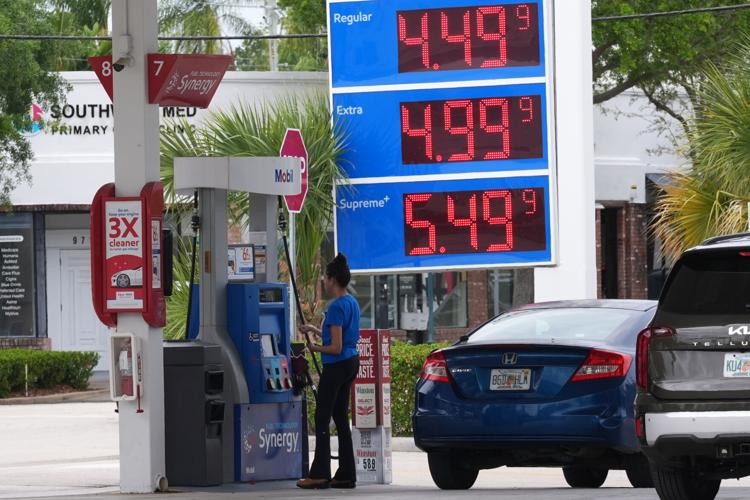
The economic strain of the US-Iran conflict, now in its eighth week, is registering sharply in key economic indicators: April 2026 inflation rose to 3.3%, its highest level since May 2024, while the University of Michigan's Consumer Sentiment Index dropped to a record low of 49.8. National average gas prices have surpassed $4 a gallon, adding pressure to American households already contending with elevated costs across the economy.
Background
The United States entered into military operations against Iran in late February 2026, triggering a significant spike in global oil prices as markets priced in supply disruption risks from the Persian Gulf. While a ceasefire agreement has since been extended indefinitely, energy markets remain volatile, and the pass-through effects on consumer prices have continued to build through the spring.
The Federal Reserve, which has been holding interest rates steady, has signalled it is looking through the tariff- and conflict-driven price increases, viewing them as temporary supply shocks rather than demand-driven inflation. However, the persistence of elevated prices is testing that assessment.
Key Developments
The Bureau of Labor Statistics reported that the Consumer Price Index rose 3.3% year-over-year in April, driven primarily by energy costs, which surged 12.4% compared to the same period last year. Food prices also rose 4.1% annually, compounding the squeeze on lower-income households.
The University of Michigan's Consumer Sentiment Index, a closely watched gauge of public confidence in the economy, fell to 49.8 in April — the lowest reading in the survey's history, surpassing the previous record set during the 2008 financial crisis. Respondents cited rising prices, uncertainty about the conflict, and concerns about job security as the primary drivers of their pessimism.
The International Monetary Fund, in its latest assessment, urged the United States to reduce tariffs and projected that core PCE inflation would not return to the Federal Reserve's 2% target until the first half of 2027.
Why It Matters
Consumer spending accounts for roughly 70% of US economic output, making sentiment a critical leading indicator of economic health. A sustained collapse in confidence risks translating into reduced spending, slower growth, and potential job losses — a dynamic that could force the Federal Reserve to reconsider its current wait-and-see posture on interest rates.
What's Next
The Federal Reserve's next policy meeting is scheduled for April 28-29, where officials are widely expected to hold rates steady while closely monitoring inflation data. Economists will be watching May's CPI release for signs of whether the inflationary pressure is beginning to ease as energy markets stabilise.
:max_bytes(150000):strip_icc():focal(703x543:705x545)/White-House-Correspondents-dinner-042526-003-d7736c82d747408cb89cf03616114863.jpg)