USDA Declares Drought Disaster in 21 Mississippi Counties and Six Louisiana Parishes
The US Department of Agriculture declared 21 counties in Mississippi and six parishes in Louisiana primary natural disaster areas on April 22, 2026, following prolonged and severe drought conditions that have devastated agricultural operations across the region. The designation makes farmers and ranchers in the affected areas -- and in contiguous counties -- eligible for emergency loans from the Farm Service Agency to help recover from crop and livestock losses.
Background
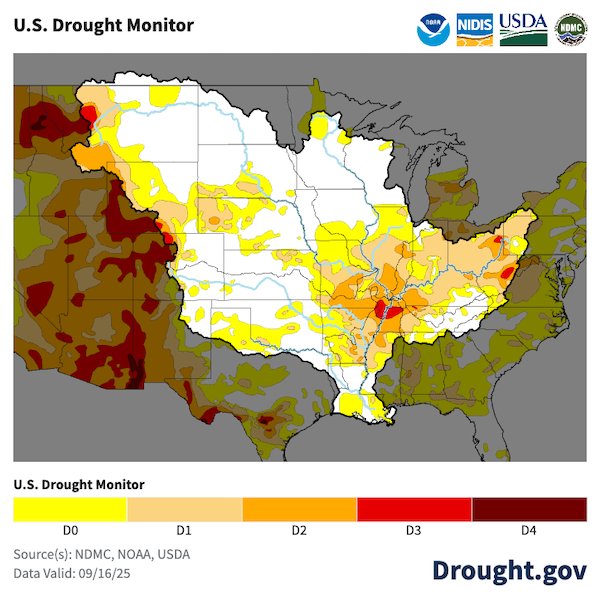
The affected regions have experienced at least eight consecutive weeks of D2 (Severe Drought) conditions on the US Drought Monitor, with some areas reaching D3 (Extreme Drought) or D4 (Exceptional Drought) -- the most severe classification. The drought has been driven by a combination of below-normal precipitation and above-average temperatures that have persisted since late winter, stressing crops, depleting soil moisture, and reducing water availability for livestock operations.
The declaration comes amid an unusual pattern of severe weather across the United States in April 2026, with the Midwest experiencing above-average tornado activity while the Southeast and parts of the Deep South have seen near-record heat and dry conditions. Meteorologists have attributed the pattern to a northern-tracking jet stream and a persistent high-pressure dome over the Gulf of Mexico.
Key Developments
The primary counties designated in Mississippi include Adams, Bolivar, Franklin, and Jefferson, among others, with eligible contiguous areas extending into Alabama and Arkansas. In Louisiana, the six designated parishes are located primarily in the northern and central parts of the state, where agricultural activity is concentrated.
Under the USDA's disaster designation, affected producers can apply for emergency loans from the Farm Service Agency. These loans can be used to replace equipment or livestock lost to the drought, reorganise farming operations, or refinance certain existing debts. The application deadline for this round of emergency assistance is December 7, 2026.
The USDA declaration follows a separate federal disaster declaration process and does not automatically trigger FEMA assistance for individual residents. However, it represents an important acknowledgement of the economic damage being inflicted on the agricultural sector in the affected states.
Why It Matters
The drought disaster declaration highlights the growing vulnerability of American agriculture to extreme weather events, which have become more frequent and severe in recent years. Mississippi and Louisiana are significant producers of cotton, soybeans, corn, and rice, and prolonged drought conditions can cause lasting damage to soil health and crop yields that extends well beyond a single growing season.
For farming communities in the affected areas, the emergency loan programme provides a critical lifeline, but many agricultural economists note that loan assistance alone is often insufficient to fully offset the losses from a severe drought. The declaration also underscores the broader economic impact of drought on rural communities, where agriculture is often the primary driver of local economic activity.
What's Next
Farmers in the designated counties and parishes have until December 7, 2026, to apply for emergency loans through their local Farm Service Agency offices. USDA officials have indicated that they are monitoring drought conditions across additional states and may issue further disaster designations if conditions deteriorate. The National Weather Service's long-range forecasts suggest that the drought conditions in the region may persist through at least the end of May, raising concerns about the upcoming planting season.
Sources: USDA Farm Service Agency; The Columbian