US-Iran Ceasefire Plan Under Review as Trump's Strait of Hormuz Deadline Looms
A two-tier ceasefire plan has been presented to both the United States and Iran as President Trump's deadline for Tehran to reopen the Strait of Hormuz expires tonight. Iran has confirmed receipt of the proposal but signalled it will not comply with the ultimatum, as overnight airstrikes continue in the Iranian capital — raising fears that a fragile diplomatic process is on the verge of collapse.
Background
The 2026 US-Iran crisis has its roots in the diplomatic failures of late 2025, when renewal talks for the Joint Comprehensive Plan of Action collapsed, reigniting long-standing tensions over Iran's nuclear programme. The situation deteriorated through early 2026, marked by a series of naval skirmishes in the Persian Gulf. The flashpoint came on 15 March 2026, when the Panamanian-flagged oil tanker 'Arabian Star' was sunk in the Gulf. Washington immediately attributed the attack to Iran's Islamic Revolutionary Guard Corps, citing satellite imagery and intercepted communications; Tehran denied responsibility, blaming a legacy sea mine.
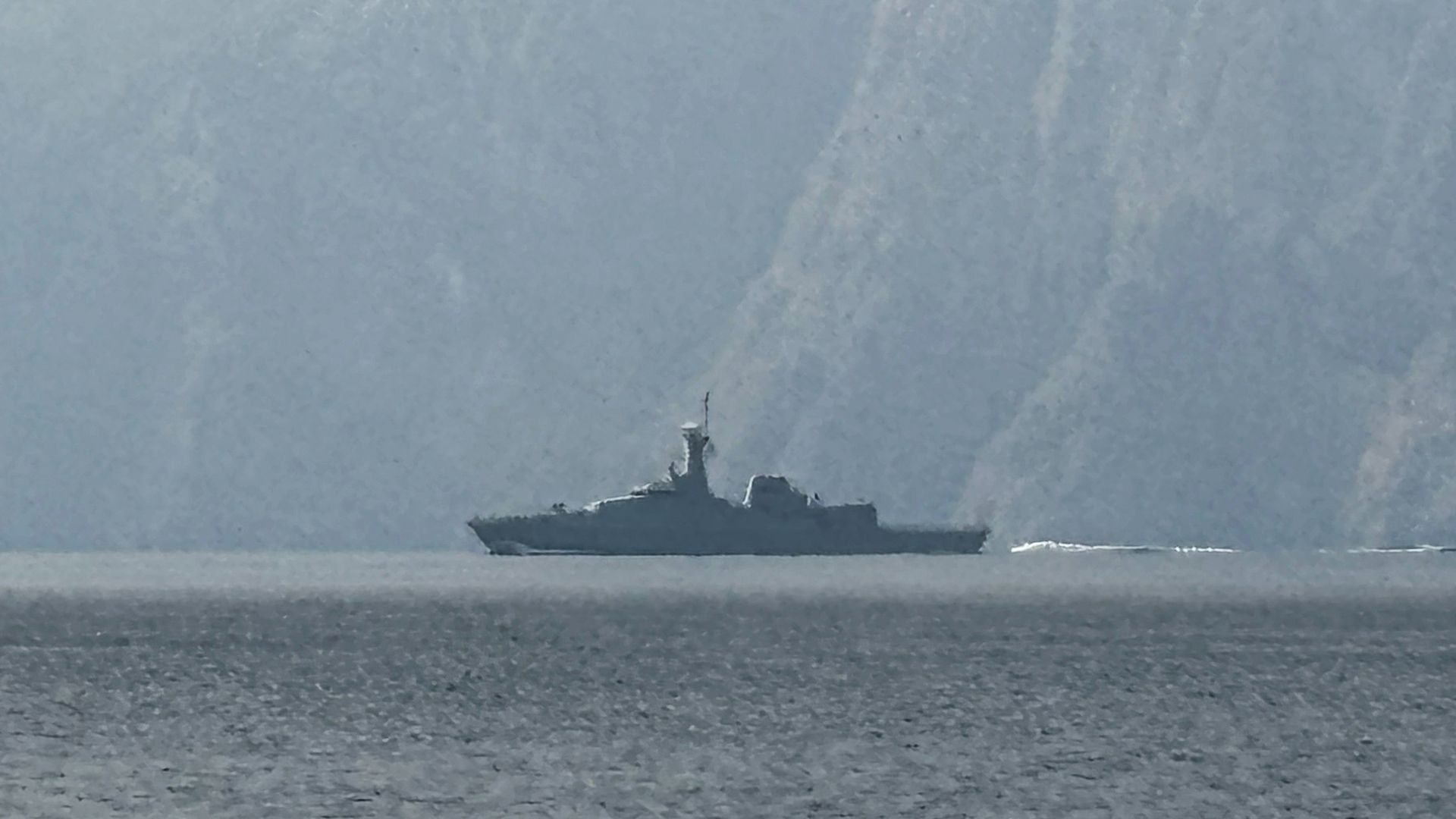
The crisis escalated dramatically on 1 April 2026, when Iran closed the Strait of Hormuz — the critical maritime chokepoint through which approximately 20% of the world's daily oil supply passes. The IRGC deployed coastal anti-ship missile batteries and fast-attack craft to enforce the blockade, triggering an immediate global energy shock. Brent crude surged by more than 10%, and the International Energy Agency described the disruption as the largest supply shock in the history of the global oil market.
The United States responded by deploying a carrier strike group to the Arabian Sea, initiating a tense naval standoff. On 20 April, Iranian forces shot down a US surveillance drone over the Gulf of Oman. US forces retaliated with targeted airstrikes against IRGC naval bases along Iran's coast — the first direct military confrontation of the crisis.
Key Developments
Back-channel diplomatic activity, facilitated primarily by Oman and Switzerland, has been ongoing for weeks. The process was jolted on 1 May when former President Donald Trump issued a public ultimatum via social media, giving Tehran a 48-hour deadline to reopen the Strait and agree to a ceasefire, threatening "obliteration" as the alternative. The intervention was made outside official US government channels, alarming some diplomats while others hoped it might pressure Iran toward a resolution.
The ceasefire proposal now under review includes a phased and verified reopening of the Strait of Hormuz, the lifting of the most recent US sanctions imposed after the tanker sinking, the formation of a joint international commission to investigate the 'Arabian Star' incident, and a commitment from both sides to return to negotiations for a new security and nuclear agreement. Iran has confirmed receipt of the proposal but its public response has been non-committal, with senior officials signalling that compliance with Trump's ultimatum is not on the table.
Overnight airstrikes on the outskirts of Tehran have further complicated the diplomatic picture. The targets are reported to be military and nuclear-related facilities. While Washington has officially denied involvement, the strikes are widely attributed to a covert Israeli operation conducted under the cover of the US-Iran standoff — a development that has thrown the ceasefire negotiations into serious doubt and raised the prospect of a massive Iranian retaliation.
Why It Matters
The stakes of this crisis extend far beyond the Persian Gulf. The closure of the Strait of Hormuz has already triggered a global energy shock that is driving inflation, threatening economic growth, and destabilising supply chains across the world. The International Energy Agency has warned that a prolonged closure could push oil prices to levels not seen since the 1970s oil crisis. For the global economy — still recovering from the disruptions of recent years — a sustained military conflict between the United States and Iran would be a catastrophic event.
The diplomatic situation is further complicated by the involvement of multiple actors with competing interests: the United States, Iran, Israel, the European Union, China, and the Gulf states all have significant stakes in the outcome. The United Nations Security Council has called for immediate de-escalation, but its ability to act is constrained by the geopolitical divisions among its permanent members. The next 24 hours are likely to be decisive.
Local Impact
The UK has been watching the crisis with acute concern. Prime Minister Keir Starmer has maintained that "this is not our war" while declining to introduce emergency economic measures, even as the conflict drives up energy bills and fuel costs for British households and businesses. The government has pivoted towards closer EU ties as part of its response to the economic fallout, but the political pressure to do more is growing. For Northern Ireland, which is particularly exposed to energy price volatility through its dependence on imported fuel and its cross-border economic links with the Republic, the resolution of the Strait of Hormuz crisis cannot come soon enough.
What's Next
The expiry of Trump's deadline tonight marks a critical juncture. If Iran does not signal compliance, the United States faces a choice between escalating military action and accepting that the ultimatum has failed — either outcome carries significant risks. Diplomats in Oman and Switzerland are reported to be working around the clock to keep the ceasefire proposal alive. The coming hours will determine whether the crisis moves towards a negotiated resolution or a dangerous new phase of military escalation.
Comprehensive analysis of the conflict is available from the Council on Foreign Relations. Diplomatic developments are being tracked by Reuters. Energy market impacts are covered by the International Energy Agency.